A commercial fire can disrupt operations, damage property, and create serious financial challenges for business owners. That is why understanding the process of fire damage restoration is essential for any company dealing with fire-related damage. Fires can destroy inventory, equipment, documents, and structural materials within minutes, while smoke and water damage continue affecting the building long after the flames are extinguished.
Recovering from a commercial fire involves more than basic cleanup. Businesses must address safety risks, structural concerns, smoke contamination, and operational downtime before reopening. Fast action can reduce losses and help companies return to normal operations sooner.
This commercial fire recovery guide explains the most important steps in the restoration process, including emergency response, smoke removal, water extraction, structural repairs, and prevention strategies. Understanding these stages can help business owners make informed decisions during a stressful and challenging situation.
The Immediate Response After a Commercial Fire
The first few hours after a commercial fire are critical. Once firefighters extinguish the flames, property owners should focus on safety and preventing additional damage. Even if the fire appears small, hidden hazards may still exist throughout the building.
Commercial structures often suffer from weakened walls, damaged electrical systems, unstable ceilings, and water saturation caused by firefighting efforts. Entering the property too early can place employees and business owners at risk. Fire officials and restoration professionals should inspect the building before anyone re-enters the space.
After the property is declared safe, the next step is securing the building. Broken windows, damaged roofing, and exposed entry points leave the structure vulnerable to theft, vandalism, and weather exposure. Restoration teams typically install temporary boards and protective coverings to stabilize the property.
Fast response also helps reduce secondary damage. Smoke residue becomes harder to remove over time, while standing water can lead to mold growth within days. Immediate mitigation helps preserve building materials, office equipment, and inventory whenever possible.
A professional restoration company can quickly assess the extent of the damage and develop a recovery plan that minimizes business interruption and supports a safer restoration process.
Assessing Fire, Smoke, and Structural Damage
Every commercial fire affects a property differently. Some buildings experience direct flame damage, while others suffer more from smoke contamination and water exposure. A detailed inspection helps restoration teams identify all affected areas before repairs begin.
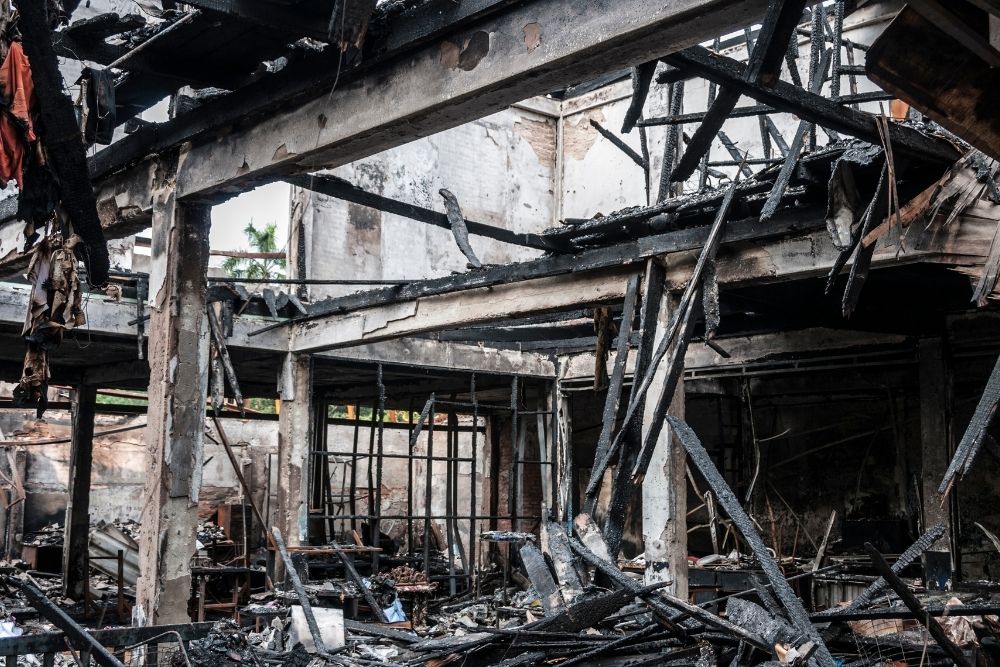
Structural damage is one of the most serious concerns after a fire. Intense heat can weaken support beams, warp metal components, crack concrete, and damage roofing systems. Even buildings that appear stable may contain hidden structural weaknesses that require professional evaluation.
Smoke and soot often spread far beyond the original fire location. HVAC systems can circulate smoke particles throughout offices, storage areas, hallways, and ventilation ducts. Without proper cleaning, soot residue can continue damaging surfaces and affecting indoor air quality.
Water damage also plays a major role in commercial fire recovery. Firefighters may use thousands of gallons of water to extinguish flames, leaving flooring, drywall, insulation, and furniture heavily saturated. Moisture trapped inside walls can create long-term structural problems if not addressed properly.
Professional inspections provide business owners with a complete understanding of the damage. This information helps create an accurate restoration timeline and supports the insurance claims process.
Smoke and Soot Cleanup Throughout the Property
Smoke and soot cleanup is one of the most important parts of the FIRE DAMAGE RESTORATION process. Even after visible fire damage is removed, smoke residue can continue causing corrosion, discoloration, and unpleasant odors throughout the building.
Soot particles are highly acidic and can permanently damage walls, ceilings, office equipment, electronics, and furniture if left untreated. Different types of fires create different forms of soot, requiring specialized cleaning techniques for safe removal.
Professional restoration crews use advanced equipment such as HEPA vacuums, air scrubbers, thermal foggers, and ozone treatments to remove airborne contaminants and odors. These tools help improve indoor air quality and eliminate persistent smoke smells that standard cleaning methods cannot fully remove.
Commercial businesses must restore a clean and safe environment before employees and customers return. Lingering smoke odors can negatively affect customer experiences and employee comfort, especially in restaurants, hotels, offices, and retail spaces.
Proper smoke remediation also protects the long-term value of the property. Quick cleanup prevents soot from causing additional staining and corrosion over time, helping businesses avoid more expensive repairs later.
Water Extraction and Drying After Firefighting Efforts
Many business owners underestimate the amount of water damage caused during firefighting operations. While extinguishing the fire is necessary, excess water can create serious complications if not removed quickly.
Standing water weakens building materials, damages flooring, ruins furniture, and increases the risk of mold growth. Moisture can spread beneath flooring and inside walls, where hidden water damage may continue developing long after the fire is gone.
Professional restoration teams use industrial extraction equipment to remove standing water efficiently. Powerful dehumidifiers and air movers help dry the building thoroughly while moisture detection tools locate hidden damp areas.
Commercial properties often contain valuable electronics, machinery, and inventory that require immediate attention. Fast drying improves the chances of salvaging expensive assets and reducing replacement costs.
Mold prevention is another major reason rapid drying matters. Mold growth can begin within 24 to 48 hours in damp conditions, adding additional cleanup expenses and potential health concerns. Proper water mitigation protects both the building and the people who use it.
Comprehensive drying is a necessary step in restoring a safe and functional commercial environment after a fire.
Managing Business Interruption During Recovery
One of the biggest challenges after a commercial fire is maintaining business continuity. Many companies rely on daily operations to generate income, and extended closures can create serious financial pressure.
Business owners should develop a temporary recovery strategy as soon as possible. Some companies may operate remotely, relocate temporarily, or reopen unaffected sections of the property while repairs continue in damaged areas.
Communication is essential during this stage. Employees, clients, suppliers, and customers should receive regular updates regarding closures, timelines, and operational changes. Clear communication helps maintain trust and reduces confusion during recovery.
Insurance policies may include business interruption coverage that compensates companies for lost income during restoration. Business owners should keep records of expenses, temporary relocation costs, and revenue losses throughout the recovery process.
Working with experienced restoration professionals can also shorten downtime. Organized restoration schedules, fast mitigation, and efficient repairs help businesses reopen sooner and reduce financial losses associated with prolonged closures.
Rebuilding and Restoring the Commercial Property
After mitigation and cleanup are complete, the rebuilding process begins. Reconstruction may involve replacing drywall, flooring, ceilings, electrical wiring, plumbing systems, and structural components damaged during the fire.
Commercial reconstruction projects often require permits and safety inspections to ensure the building complies with current codes and regulations. Older buildings may need additional upgrades during repairs to meet modern safety standards.
Some business owners use the rebuilding phase as an opportunity to improve the property. Renovations may include updated layouts, improved lighting, upgraded fire suppression systems, or enhanced energy efficiency features.
The timeline for reconstruction depends on the severity of the damage. Minor fires may require only cosmetic repairs, while major commercial losses can involve extensive rebuilding that takes several months to complete.
Professional contractors coordinate the reconstruction process carefully to ensure repairs are completed safely and efficiently. Quality restoration work helps businesses return to a fully functional environment while protecting the long-term value of the property.
Preventing Future Commercial Fire Damage
Preventing future fires should become a priority once restoration is complete. While no business can eliminate every risk, proactive fire prevention strategies greatly reduce the likelihood of another major incident.
Regular inspections of electrical systems, appliances, HVAC equipment, and fire suppression systems help identify hazards before they become dangerous. Faulty wiring and neglected maintenance are common causes of commercial fires.
Employee fire safety training is equally important. Staff members should understand evacuation procedures, emergency contacts, and proper fire extinguisher use. Quick action during emergencies can help minimize injuries and property damage.
Modern fire alarms, sprinkler systems, and smoke detectors also improve building safety significantly. Early detection allows firefighters to respond faster and limits the spread of flames throughout the property.
Businesses should review and update emergency response plans regularly. Clear procedures help employees react quickly and safely during unexpected emergencies.
Conclusion
Recovering from a commercial fire requires careful planning, fast action, and professional assistance. From emergency response and smoke removal to water extraction and rebuilding, every step plays an important role in restoring a safe and functional business environment. Professional fire damage restoration services help minimize downtime, reduce financial losses, and protect commercial properties from long-term damage.
Business owners who act quickly after a fire often experience smoother recovery outcomes and fewer complications during restoration. Proper inspections, thorough cleanup, and organized reconstruction all contribute to a safer reopening process.
If your commercial property has experienced fire damage, JGW Group Water Damage Restoration in Las Vegas provides reliable restoration services to help businesses recover quickly and safely. Call 725-525-3122 today for expert commercial fire recovery assistance.