Dealing with a house fire is one of the most stressful experiences a property owner can face. Beyond the emotional impact, the financial burden of repairs, smoke cleanup, and rebuilding can quickly become overwhelming. This is where fire damage restoration and insurance coverage play a critical role. Understanding how fire insurance claims work can help homeowners and business owners recover faster and avoid costly mistakes during the restoration process.
A proper fire damage insurance guide explains what your policy covers, how to document losses, and how restoration companies work alongside insurance adjusters. Whether the fire damage is minor or severe, knowing your rights and responsibilities can protect your property and finances. In this article, we’ll cover the essential steps involved in fire damage insurance claims, restoration timelines, coverage details, and tips to ensure a smoother recovery process after a fire incident.
Understanding What Fire Insurance Covers
Fire insurance policies are designed to protect homeowners and businesses from financial losses caused by fires. Most standard property insurance plans cover structural damage, smoke damage, soot removal, and personal belongings affected by the fire. However, the exact level of protection depends on the policy terms and coverage limits.
In many cases, insurance also helps pay for temporary housing if the property becomes unsafe to live in during repairs. Additional living expenses may include hotel costs, meals, and other daily necessities while restoration is underway. Business owners may also qualify for business interruption coverage that compensates for lost income during downtime.
It is important to carefully review your insurance policy before an emergency occurs. Some policies exclude certain causes of fire or limit coverage for valuable items. Understanding deductibles, exclusions, and claim procedures can help prevent confusion after a fire incident.
The First Steps to Take After a Fire
After a fire, safety should always come first. Once emergency responders confirm the property is secure, homeowners should avoid entering damaged areas until professionals assess the structure. Fire can weaken walls, ceilings, and flooring, creating dangerous conditions that are not immediately visible.
The next step is contacting your insurance provider as soon as possible. Reporting the incident early allows the claims process to begin quickly. Insurance companies typically assign an adjuster to inspect the damage and determine the scope of coverage. During this stage, property owners should document everything with photos and videos.
Keeping receipts for emergency expenses is equally important. Temporary lodging, clothing, and cleanup costs may be reimbursable under your policy. Working with a professional restoration company can also help streamline communication with insurers.
How the Insurance Claims Process Works
The insurance claims process begins after the fire is reported to the insurance company. An adjuster is usually assigned to inspect the property and evaluate the extent of the damage. Their role is to determine how much the insurer should pay based on the policy terms and restoration estimates.
During the inspection, homeowners should provide documentation such as photos, inventory lists, and receipts for damaged belongings. The more detailed the records are, the easier it becomes to support the claim. Incomplete documentation may delay approvals or reduce compensation.
Once the evaluation is complete, the insurer provides a settlement estimate. This amount may cover structural repairs, smoke cleanup, odor removal, and replacement of personal belongings. Property owners should review the estimate carefully and ask questions if anything seems unclear or missing.
Why Immediate Fire Damage Restoration Matters
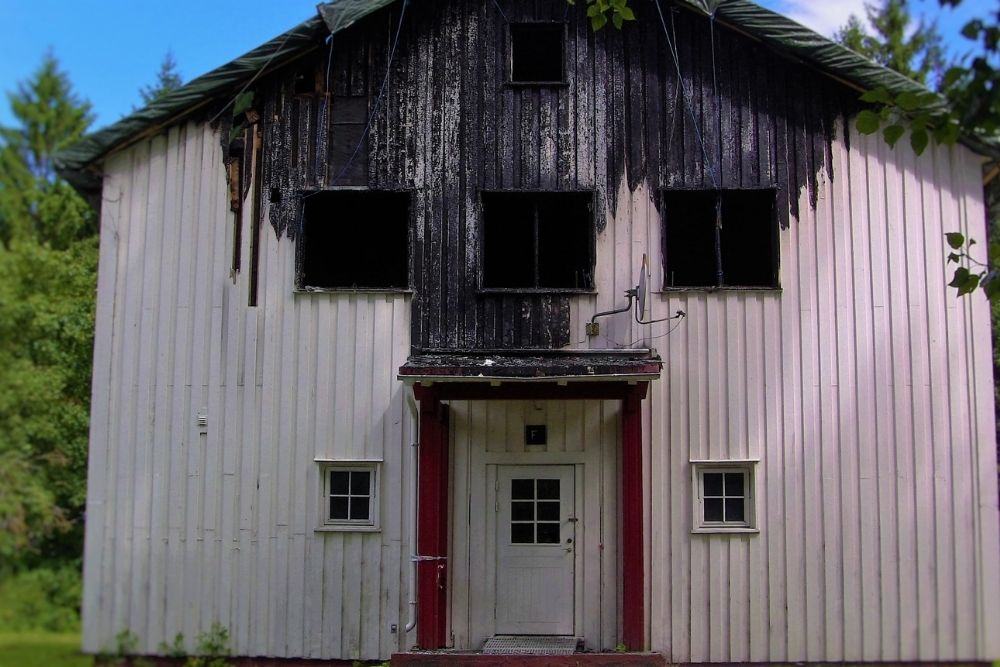
Quick action after a fire can significantly reduce long-term damage to a property. Smoke and soot residues continue to spread throughout the building even after the fire is extinguished. If left untreated, these contaminants can permanently stain surfaces and create lingering odors.
Water used by firefighters can also contribute to secondary damage. Excess moisture may lead to mold growth, warped flooring, and weakened structural materials. Immediate cleanup and drying are essential to prevent additional repair costs.
Professional fire damage restoration teams use specialized equipment to remove soot, clean surfaces, eliminate odors, and dry affected areas. Their expertise helps restore properties safely and efficiently while minimizing further deterioration.
Common Challenges During Fire Insurance Claims
Fire insurance claims can sometimes become complicated, especially when there are disagreements about the extent of damage or repair costs. One common issue is underestimating smoke damage. Even areas untouched by flames may require extensive cleaning due to soot contamination.
Another challenge involves documenting personal belongings. Many homeowners struggle to create complete inventories after a traumatic event. Missing receipts or proof of ownership can make reimbursement more difficult. Keeping digital records of valuable possessions before an emergency can help avoid this problem.
Delays in communication between insurers, contractors, and property owners may also slow the restoration process. Some claims require multiple inspections before approvals are finalized. This can create frustration for families eager to return home.
Working with experienced restoration professionals can reduce many of these challenges. Companies familiar with insurance procedures understand how to prepare detailed estimates and communicate effectively with adjusters.
The Role of Restoration Companies in Insurance Claims
Restoration companies play a major role in helping property owners recover after a fire. Their responsibilities extend beyond cleanup and repairs. Many restoration teams assist with documentation, inspections, and direct communication with insurance companies.
After assessing the damage, restoration professionals create detailed repair plans outlining the necessary work. These reports often include moisture readings, smoke contamination levels, and structural concerns. Insurance adjusters rely on this information when determining claim approvals.
Restoration companies also use specialized cleaning methods that standard contractors may not provide. Techniques such as thermal fogging, air scrubbing, and ozone treatment help remove smoke odors and improve indoor air quality.
Understanding Smoke and Soot Damage Coverage
Smoke and soot damage can spread far beyond the original fire area. Even a small kitchen fire may leave residue throughout the entire property. Insurance policies often cover smoke cleanup, but the extent of coverage depends on the specific policy terms.
Soot is highly acidic and can damage walls, ceilings, appliances, and electronics if not removed quickly. Smoke odors may also become trapped in carpets, furniture, and ventilation systems. Professional cleaning methods are necessary to fully restore indoor conditions.
Insurance adjusters typically inspect both visible and hidden smoke damage before approving restoration work. This may include HVAC inspections, air quality testing, and odor removal treatments. Homeowners should avoid attempting extensive cleanup themselves, as improper cleaning can worsen damage.
Hiring trained restoration experts ensures proper handling of smoke and soot contamination. Their equipment and cleaning techniques are designed to restore affected materials while reducing health risks associated with airborne particles and toxic residues.
Tips for Maximizing Your Fire Insurance Claim
Preparing a strong insurance claim can improve the chances of receiving fair compensation. One of the most important steps is documenting all damage thoroughly. Taking clear photos and videos immediately after the fire creates valuable evidence for the insurer.
Creating a detailed inventory of damaged belongings is equally important. Include estimated values, purchase dates, and receipts whenever possible. Organized records help support reimbursement requests and reduce disputes during claim reviews.
Property owners should also avoid signing repair contracts before speaking with their insurer. Some insurance companies require approval before restoration work begins. Understanding these requirements can prevent complications later.
Communication is another key factor. Keeping records of emails, phone calls, and inspection reports helps track the progress of the claim. Working closely with a trusted restoration company can also provide additional support and guidance throughout the process.
Preventing Future Fire Damage Risks
While insurance helps cover losses, preventing fires remains the best way to protect a property. Regular maintenance and safety precautions can significantly reduce fire risks in homes and businesses.
Smoke detectors should be installed in key areas and tested regularly. Fire extinguishers should also be easily accessible and inspected to ensure they function properly. Electrical systems, appliances, and heating equipment should be checked routinely for potential hazards.
Creating an emergency evacuation plan is another important step. Families and employees should know how to exit safely during a fire emergency. Practicing fire drills can improve preparedness and response times.
Property owners should also store important documents digitally whenever possible. Insurance policies, receipts, and inventory lists can be easier to access after an emergency if backed up online.
Conclusion
Recovering from a fire involves much more than repairing visible damage. Property owners must navigate insurance claims, document losses, manage cleanup efforts, and restore their homes or businesses safely. Understanding the insurance process and acting quickly can make a major difference in the overall recovery experience. From documenting damage to working with experienced restoration professionals, every step plays an important role in achieving a successful outcome.
If you need reliable assistance after a fire, JGW Group Water Damage Restoration provides professional restoration services in Las Vegas. Their experienced team helps property owners handle cleanup, smoke removal, structural repairs, and insurance claim support with care and efficiency. For immediate assistance with fire-related property damage, contact JGW Group Water Damage Restoration today at 725-525-3122.