Fire damage can leave homeowners dealing with unexpected repairs, smoke contamination, and major financial stress. Understanding fire damage restoration costs is important because the total expense can vary depending on the severity of the fire, the size of the property, and the type of repairs needed. Many people assume the damage is limited to burned areas, but smoke, soot, and water from firefighting efforts can spread throughout the entire property.
Professional restoration services help restore safety, remove hazardous materials, and rebuild damaged sections of a home or business. Costs may range from a few thousand dollars for minor cleanup to much higher amounts for large-scale structural repairs. Learning what affects pricing allows homeowners to prepare financially and make informed decisions during the recovery process after a fire.
Factors That Affect Restoration Pricing
Several factors influence the overall cost of restoring a property after a fire. One of the biggest considerations is the severity of the damage. Minor fires that affect only one room are usually less expensive to repair than fires that spread through multiple areas of a building. The amount of smoke and soot contamination also affects the total cost because deeper cleaning methods may be required.
The size of the property is another major factor. Larger homes require more labor, additional cleaning equipment, and more replacement materials. Multi-story buildings can increase costs even further if smoke damage spreads through ventilation systems or hidden spaces.
The type of materials damaged during the fire also matters. Hardwood flooring, custom cabinets, and expensive fixtures are more costly to replace than standard materials. Structural repairs involving roofing, framing, or electrical systems can significantly increase the overall expense.
Emergency restoration services may add to the final bill as well. Many companies provide 24-hour emergency response, which is often necessary to prevent additional damage after a fire. Fast action can help reduce long-term costs, but emergency services may come with higher labor charges depending on the timing and complexity of the project.
Average Fire Damage Restoration Costs
The average cost of fire restoration varies greatly depending on the extent of the damage. Small restoration jobs involving smoke cleanup and minor repairs may cost between a few thousand dollars and several thousand more if additional work is required. Moderate fire damage often includes drywall replacement, flooring repairs, repainting, and odor removal, which increases labor and material expenses.
Severe fires that damage structural components can become extremely expensive. Rebuilding walls, replacing roofing systems, repairing electrical wiring, and restoring plumbing may require major reconstruction work. In some cases, parts of the property may need to be demolished before rebuilding can begin.
Insurance coverage often helps reduce out-of-pocket expenses for homeowners, but coverage limits and deductibles vary depending on the policy. Some policies fully cover structural repairs while offering limited coverage for personal belongings or specialty materials.
Location can also affect pricing. Restoration costs in larger cities may be higher due to increased labor rates and material expenses. The availability of licensed contractors and restoration specialists may also influence the final cost of the project.
Because every fire situation is different, professional inspections are necessary before accurate estimates can be provided. Restoration companies assess structural damage, smoke contamination, and water exposure before creating a complete repair plan.
Smoke and Soot Cleanup Expenses
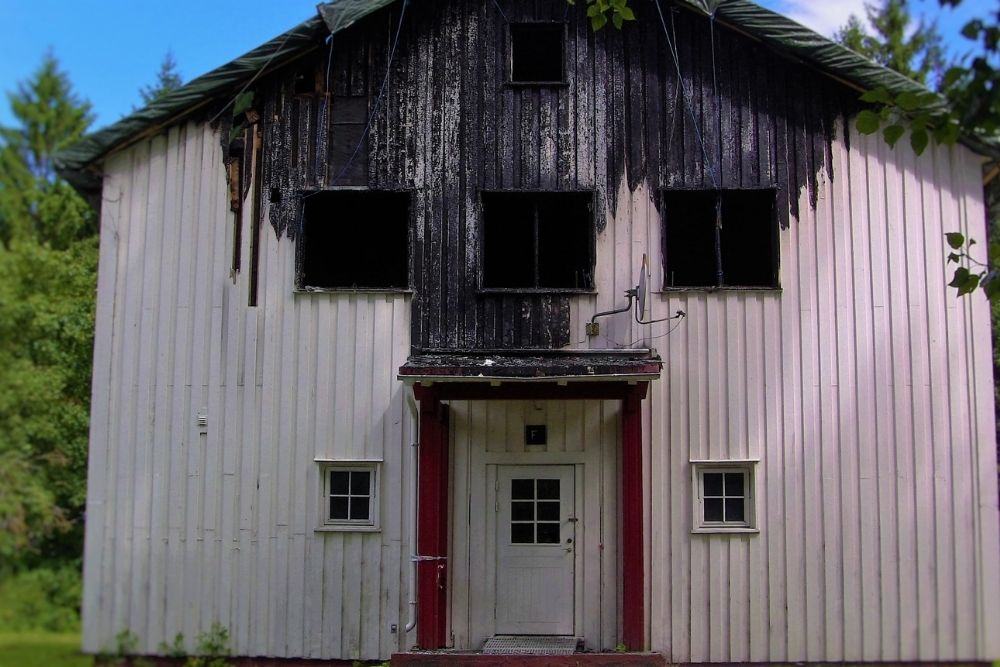
Smoke and soot cleanup is one of the most important parts of the restoration process. Even small fires can spread smoke particles throughout an entire property, affecting walls, ceilings, furniture, carpets, and air ducts. Proper cleaning requires specialized equipment and trained professionals.
Soot is highly acidic and can permanently stain or damage surfaces if it is not removed quickly. Restoration teams use industrial vacuums, chemical cleaners, and specialized sponges to safely clean affected areas. Delayed cleanup often leads to deeper staining and corrosion, increasing restoration costs over time.
Smoke odor removal is another major expense. Odors can penetrate insulation, furniture, fabrics, and ventilation systems, making them difficult to eliminate without professional treatment. Restoration companies often use ozone machines, air scrubbers, and thermal fogging equipment to neutralize odors and improve indoor air quality.
Furniture and personal belongings may also require professional cleaning. Upholstered items, clothing, and electronics exposed to smoke often need specialized restoration services to prevent permanent damage.
The level of contamination directly impacts pricing. Light smoke damage in one area is far less expensive to clean than heavy soot spread throughout an entire property. Fast response times are essential because smoke residue becomes harder to remove the longer it remains untreated.
Structural Repairs and Reconstruction
Structural repairs are usually the most expensive part of fire restoration projects. High heat can weaken walls, roofing systems, support beams, and flooring materials. Before repairs begin, restoration professionals inspect the property to determine whether the structure is safe.
Minor structural repairs may involve replacing drywall, repairing flooring, or reinforcing damaged framing. Severe fires may require rebuilding entire rooms or sections of the property. Roof replacement, window installation, and foundation repairs can dramatically increase the overall cost.
Electrical and plumbing systems often need replacement after a fire. Heat exposure can damage wiring, melt pipes, and create hidden safety hazards. Licensed electricians and plumbers are typically required to ensure repairs meet building codes and safety standards.
Permit costs and inspections may also add to restoration expenses. Many cities require permits for large-scale reconstruction projects, especially when structural changes are involved. While permits increase costs, they help ensure the work is completed safely and correctly.
Older homes can present additional challenges during restoration. Outdated construction materials may be difficult to replace, and matching older designs or finishes can require extra labor. These factors often increase the total cost of repairs after a fire.
Water Damage During Firefighting Efforts
Water damage is a common issue after a fire because firefighters use large amounts of water to control flames. Although necessary for safety, excess moisture can create additional problems inside the property. Wet drywall, flooring, insulation, and furniture often require immediate drying to prevent further damage.
Restoration teams use industrial fans, dehumidifiers, and moisture detection equipment to remove trapped water. Standing water may need to be extracted before repairs can begin. The longer moisture remains inside the property, the higher the risk of mold growth and structural weakening.
Carpets and wooden flooring are especially vulnerable to water damage. Some materials can be restored if dried quickly, while others may require full replacement. Water exposure can also affect electrical systems and create safety concerns if not addressed properly.
Mold prevention is another important part of the restoration process. Mold can begin growing within days if moisture is not removed quickly. Additional mold remediation services increase the total cost of restoration and extend the repair timeline.
Combining fire and water damage restoration often makes the recovery process more complex. Professional restoration companies usually handle both issues together to reduce delays and ensure the property is restored safely and efficiently.
Insurance and Restoration Coverage
Homeowners insurance policies often cover fire restoration costs, but the level of coverage depends on the policy details. Most standard policies include structural repairs, smoke damage cleanup, and temporary housing assistance if the property becomes uninhabitable.
Insurance companies usually require detailed documentation before approving claims. Restoration contractors often assist homeowners by providing repair estimates, photographs, and damage reports to support the claims process.
Deductibles affect how much homeowners pay themselves before insurance coverage begins. Policies with lower deductibles may reduce immediate expenses after a fire, while higher deductibles generally lower monthly premiums.
Coverage limits are another important factor. Some policies may not fully cover high-value belongings, specialty materials, or detached structures such as garages. Homeowners should review their policies regularly to understand what is included and whether additional coverage is necessary.
Working with experienced restoration professionals can help simplify communication with insurance adjusters. Many companies coordinate directly with insurers to ensure repairs meet approved standards and reduce delays during the claims process.
Conclusion
The cost of fire damage restoration depends on several factors, including smoke cleanup, structural repairs, water damage, and the size of the affected property. While minor fires may require limited repairs, severe damage can involve extensive reconstruction and professional restoration services. Quick action is important because delays can increase damage, raise costs, and create additional safety concerns.
Professional restoration companies help homeowners recover safely by handling cleanup, repairs, and odor removal with specialized equipment and trained technicians. If you need reliable restoration services in Las Vegas, NV, contactJGW Group Water Damage Restoration at 725-525-3122. Their experienced team can assess fire damage, provide restoration solutions, and help restore your property as quickly and safely as possible.