A house fire can leave behind more than visible damage. Smoke odors, soot stains, water damage, and weakened structures can make a property unsafe and stressful to deal with. That is why professional fire damage restoration is an important part of the recovery process. Restoration experts clean, repair, and rebuild affected areas while helping property owners return to normal as quickly as possible.
Understanding the fire restoration timeline helps homeowners know what to expect after a fire. Some projects take only a few days, while severe damage may require several weeks or months of work. The timeline depends on the size of the fire, the amount of smoke and water damage, and the repairs needed. Every stage of restoration has a specific purpose, from emergency response to final reconstruction. Knowing how the process works can reduce confusion and help property owners make informed decisions during recovery.
Emergency Response and Damage Assessment
The first stage of the restoration timeline begins once the fire department declares the property safe to enter. Restoration professionals typically respond within the first 24 hours to inspect the damage and create a recovery plan. Quick action is important because smoke residue, soot, and water damage can worsen over time if left untreated.
During the inspection, technicians examine structural damage, smoke contamination, water intrusion, and safety hazards. They also document all affected areas for insurance purposes. Photos, moisture readings, and written reports help support the claims process and provide a clear understanding of the repairs needed.
Safety measures are usually completed during this stage as well. Broken windows may be boarded up, damaged roofs covered with tarps, and unsafe areas sealed off to prevent accidents or further exposure to weather conditions. Utility systems such as electricity and gas are often inspected before restoration work continues.
This initial assessment helps restoration teams create an estimated timeline for cleanup and repairs. Although every project is different, a thorough inspection ensures that no hidden damage is overlooked before the restoration process moves forward.
Water Removal and Drying Process
Many people focus only on fire damage, but water damage is often one of the largest issues after a fire. Firefighters use significant amounts of water to extinguish flames, leaving behind soaked walls, flooring, furniture, and insulation. Without proper drying, moisture can lead to mold growth and structural deterioration.
The drying process usually begins immediately after the assessment phase. Restoration crews use industrial pumps, air movers, and dehumidifiers to remove standing water and moisture trapped inside building materials. Specialized equipment such as thermal imaging cameras helps identify hidden moisture behind walls or beneath floors.
The length of this stage depends on the amount of water involved and the size of the property. Smaller areas may dry within a few days, while larger structures can take a week or longer. Technicians monitor moisture levels daily to ensure materials are drying properly before repairs begin.
Some materials may need to be removed entirely if they cannot be salvaged. Waterlogged drywall, insulation, carpeting, and wood flooring are common examples. Removing damaged materials early helps prevent additional problems and creates a clean foundation for the next stages of restoration.
Smoke and Soot Cleanup
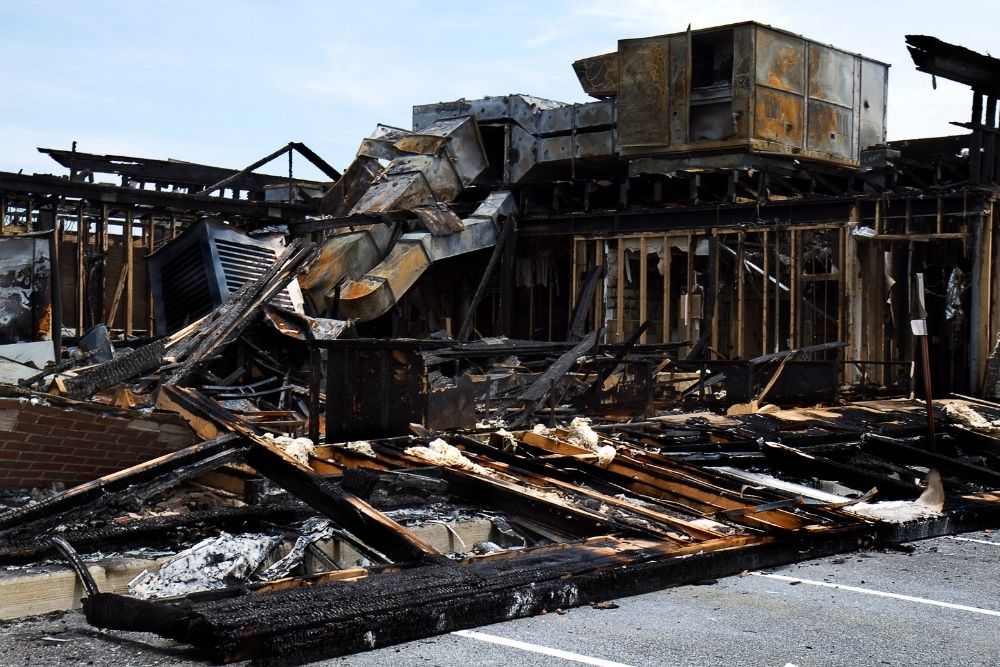
Smoke and soot can spread throughout a property even in areas untouched by flames. Soot particles settle onto walls, ceilings, furniture, and personal belongings, while smoke odors can become trapped in porous materials. Cleaning these contaminants is one of the most important steps in the restoration timeline.
Restoration professionals use specialized cleaning products and techniques to remove soot safely without causing further damage. Different surfaces require different cleaning methods because soot reacts differently on wood, drywall, fabric, and metal. Fast treatment is important because soot residue is acidic and can permanently stain surfaces over time.
Odor removal is another major part of this stage. Smoke odors often linger long after visible damage is cleaned. Air scrubbers, thermal fogging, ozone treatments, and deodorizing equipment are commonly used to eliminate smoke particles from the air and materials inside the property.
HVAC systems may also require professional cleaning to remove smoke contamination from ductwork. Without proper cleaning, smoke particles can continue circulating through the building. Thorough soot and odor removal helps restore indoor air quality and improves overall safety after a fire.
Cleaning and Restoring Personal Belongings
After structural cleaning begins, restoration teams focus on salvaging personal belongings whenever possible. Furniture, electronics, clothing, photographs, and important documents may be restored depending on the severity of the damage. This stage can be emotionally important because many belongings hold sentimental value.
Items are usually sorted into categories such as salvageable, repairable, or unsalvageable. Restoration specialists use advanced cleaning methods to restore smoke-damaged belongings. Dry cleaning, ultrasonic cleaning, and deodorization treatments are commonly used for fabrics, dishes, and household items.
Electronics often require careful inspection because soot can corrode sensitive internal components. Technicians may clean and test electronics before determining if they can safely function again. Documents and photographs can sometimes be restored using specialized drying and preservation techniques.
Not every item can be saved, especially if heat or smoke exposure was severe. However, professional restoration services work to recover as many possessions as possible. This stage may continue throughout the project while structural repairs are being completed elsewhere in the property.
Demolition and Structural Repairs
Some fire-damaged materials cannot be restored and must be removed before rebuilding can begin. Demolition is typically performed after cleanup and drying are complete. This process involves removing damaged drywall, flooring, insulation, cabinetry, and structural components that are no longer safe.
Selective demolition is often preferred because it preserves undamaged areas of the property and reduces rebuilding costs. Restoration crews follow strict safety procedures during demolition to avoid spreading soot and debris to unaffected areas. Proper disposal methods are also used for hazardous materials.
Once damaged materials are removed, contractors begin structural repairs. Depending on the severity of the fire, repairs may involve replacing framing, drywall, roofing, flooring, plumbing, or electrical systems. Some projects require only minor repairs, while others involve rebuilding entire sections of the property.
Reconstruction is usually the longest phase of the fire restoration timeline. Smaller repairs may take only a few days, but major structural rebuilding can last several weeks or months. Permit approvals, material availability, and insurance coordination can also affect how quickly work progresses.
Throughout this stage, contractors ensure repairs meet local building codes and safety standards. The goal is not only to restore the property’s appearance but also to ensure the structure is safe and stable for long-term use.
Final Inspection and Returning to Normal
The final stage of the restoration process focuses on inspections, finishing details, and preparing the property for occupancy again. Once repairs and cleaning are complete, restoration professionals carefully inspect the property to ensure all work meets quality and safety standards.
Air quality testing may be performed to confirm that smoke particles and odors have been fully removed. Moisture checks also help ensure no hidden water damage remains inside walls or flooring. Electrical systems, plumbing, and HVAC equipment are tested to confirm everything functions properly.
Property owners are often invited to complete a final walkthrough with the restoration team. This allows them to review repairs, ask questions, and address any remaining concerns before the project officially ends. Minor touch-ups or adjustments can usually be completed during this stage.
Returning home after a fire can still feel overwhelming emotionally, even after repairs are finished. However, professional restoration services help make the transition smoother by restoring safety, comfort, and functionality. A complete restoration process gives property owners confidence that their home or business is clean, secure, and ready for normal use again.
Conclusion
Recovering from a fire takes time, but understanding the restoration timeline can make the process less stressful. From emergency response and water removal to smoke cleanup and structural repairs, every stage is designed to restore the property safely and efficiently. Acting quickly after a fire helps reduce long-term damage and speeds up recovery.
If you need trusted restoration services, JGW Group Water Damage Restoration proudly serves Las Vegas with professional fire recovery solutions. Their experienced team handles cleanup, repairs, and reconstruction with care and attention to detail. Whether the damage is minor or severe, they are ready to help restore your property and peace of mind. For immediate assistance, contact JGW Group Water Damage Restoration today at 725-525-3122.