
Flooding can leave behind far more than damaged furniture and soaked flooring. One of the biggest dangers homeowners face after a flood is exposure to contaminated water. Understanding floodwater contamination risks is an important part of proper flood damage cleanup because floodwater often carries bacteria, sewage, chemicals, mold spores, and debris that can threaten both health and property.
Even shallow flooding can create serious problems inside a home. Contaminated water can soak into walls, flooring, insulation, and personal belongings within minutes. Without immediate cleanup and sanitation, these contaminants may continue spreading long after the visible water disappears.
Homeowners should never assume floodwater is safe to handle without precautions. Proper restoration, drying, and disinfecting are essential to reducing health risks and preventing long-term structural damage. This guide explains the most common contamination risks associated with floodwater and why professional cleanup is often necessary after a flood.
Why Floodwater Is Dangerous
Floodwater is considered hazardous because it collects contaminants from everything it touches. As water moves through streets, storm drains, yards, and buildings, it picks up harmful substances that can enter homes during flooding events.
Sewage overflow is one of the most common dangers linked to floodwater. Heavy rain can overwhelm municipal sewer systems, causing wastewater to mix with stormwater. This contaminated mixture may contain bacteria, viruses, and parasites that create serious health risks for anyone exposed.
Floodwater may also contain gasoline, pesticides, cleaning chemicals, and industrial waste. Even if the water looks clean, dangerous contaminants may still be present. These substances can spread through porous materials such as drywall, carpeting, and insulation.
During flood damage cleanup, homeowners should avoid direct contact with standing water whenever possible. Protective clothing, gloves, and masks help reduce exposure while cleanup and restoration are underway.
Bacteria and Viruses Found in Floodwater
One of the biggest contamination concerns after flooding involves harmful bacteria and viruses. Floodwater commonly contains microorganisms that can lead to illness after direct or indirect exposure.
Bacteria such as E. coli and Salmonella are frequently found in contaminated water. These organisms can spread through contact with affected surfaces or by inhaling particles released into the air during cleanup. Symptoms may include stomach pain, fever, nausea, vomiting, and skin irritation.
Viruses may also survive in floodwater for extended periods. Exposure can occur through cuts, open wounds, or accidental ingestion of contaminated water. Children, elderly individuals, and people with weakened immune systems are often more vulnerable to infection.
Proper disinfection is essential after flooding occurs. Cleaning visible dirt alone is not enough to remove harmful microorganisms. Professional restoration companies use industrial-grade sanitizing products designed to eliminate bacteria and reduce contamination risks throughout the home.
Sewage Contamination After Flooding
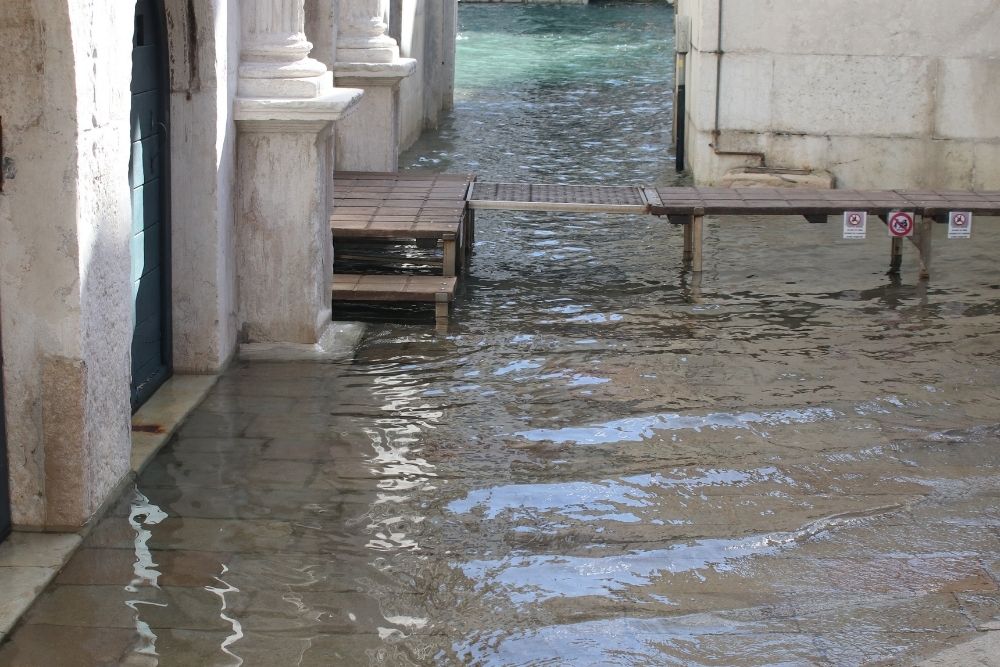
Sewage contamination is among the most serious flood-related hazards homeowners face. When sewer systems overflow during storms, raw sewage can back up into homes and mix with floodwater.
This type of contaminated water is often called black water because it contains dangerous biological waste. Raw sewage may include harmful bacteria, parasites, viruses, and toxic materials that can create severe health risks after exposure.
Sewage-contaminated water can spread rapidly across floors, walls, and furniture. Soft materials such as carpets, mattresses, and upholstered furniture usually absorb contamination quickly and often require disposal. Even after visible water is removed, bacteria may remain trapped inside porous materials.
Because of these risks, sewage cleanup should be handled carefully and professionally. Restoration specialists use specialized protective equipment and advanced cleaning techniques to remove contaminated materials safely. Thorough sanitation helps restore safe indoor conditions and prevents lingering health concerns.
Chemical Contaminants in Floodwater
Floodwater often contains more than biological contaminants. Chemicals from roads, garages, industrial facilities, and residential areas may also mix into standing water during severe storms.
Gasoline, motor oil, pesticides, paint, fertilizers, and cleaning products are common examples of floodwater pollutants. These chemicals may cause skin irritation, respiratory problems, or toxic exposure if inhaled or absorbed through direct contact.
In some situations, floodwater can also carry hazardous building materials such as asbestos particles or lead residue from damaged structures. Homes near industrial zones or busy roadways may face even greater contamination risks after flooding.
Chemical contamination can be difficult to detect because many harmful substances are invisible and odorless. Professional cleanup teams may perform moisture inspections and contamination assessments to determine which materials can be cleaned safely and which require replacement.
Mold Growth After Flood Damage
Mold growth is one of the most common problems that develops after flooding. Moisture trapped inside walls, flooring, and insulation creates ideal conditions for mold to spread rapidly throughout a home.
Mold can begin growing within 24 to 48 hours after water exposure. Floodwater contamination increases the problem because organic materials and bacteria inside the water create an environment that supports mold development.
Exposure to mold may cause coughing, sneezing, headaches, allergic reactions, and respiratory irritation. Individuals with asthma or weakened immune systems may experience more severe symptoms. Hidden mold behind walls or beneath flooring can continue spreading even after surfaces appear dry.
A major part of flood damage cleanup involves proper drying and moisture removal. Industrial air movers, dehumidifiers, and moisture detection equipment help eliminate hidden moisture that could lead to long-term mold problems inside the property.
Structural Damage Caused by Contaminated Water
Floodwater contamination can weaken the structure of a home if cleanup is delayed. Water absorbed into wood, drywall, and insulation may slowly break down building materials over time.
Wood framing may begin rotting when moisture remains trapped for extended periods. Floors can warp, drywall may crumble, and metal components may corrode after prolonged exposure to contaminated water. Electrical systems exposed to flooding can also become dangerous and may require inspection or replacement.
Hidden moisture is often one of the biggest concerns after flooding. Water trapped behind walls or beneath flooring can continue damaging the property long after visible flooding ends. If left untreated, small problems may eventually turn into expensive structural repairs.
Professional restoration companies use specialized tools to locate hidden moisture and assess the full extent of flood damage.
Health Risks Linked to Floodwater Exposure
Floodwater exposure can create both immediate and long-term health problems. Direct contact with contaminated water may cause infections, rashes, or gastrointestinal illness. Inhaling airborne contaminants during cleanup may also lead to breathing difficulties and respiratory irritation.
People with cuts or open wounds face an increased risk of infection after contact with contaminated water. Floodwater may contain bacteria capable of causing serious medical complications if not treated quickly.
Mold spores and chemical pollutants can continue affecting indoor air quality even after floodwater is removed. Some individuals may experience ongoing coughing, headaches, or allergy symptoms while living in a contaminated environment.
Using protective gear during cleanup is extremely important. Gloves, waterproof boots, masks, and protective clothing help reduce exposure to harmful contaminants. Homeowners should also wash thoroughly after handling flood-damaged materials.
Why Professional Flood Cleanup Matters
Cleaning flood damage properly requires much more than removing standing water. Contaminants often remain hidden inside building materials, air ducts, and hard-to-reach areas even after surfaces appear dry.
Professional restoration teams follow detailed cleaning and sanitation procedures designed to remove contamination safely. They use industrial pumps, drying equipment, disinfectants, and moisture detection tools to restore safe conditions inside the property.
Professionals also understand how to handle sewage-contaminated water and hazardous materials properly. Attempting to clean severe flood damage without proper equipment may increase exposure risks and leave hidden contamination behind.
Hiring experienced restoration specialists can also help homeowners prevent future mold growth and structural damage. Fast professional response often reduces repair costs and shortens the overall recovery process after a flood.
Preventing Future Floodwater Problems
Although floods cannot always be prevented, homeowners can take steps to reduce contamination risks before severe weather occurs. Proper preparation helps minimize both water intrusion and long-term property damage.
Regular maintenance of gutters, drainage systems, and sump pumps can improve water flow around the home during storms. Sealing foundation cracks and installing backflow prevention valves may also reduce the risk of sewage entering the property.
Keeping valuables and electrical equipment elevated above potential flood levels can help limit contamination damage. After flooding occurs, immediate drying and sanitation are critical to preventing mold and bacteria growth.
Conclusion
Floodwater contamination risks should never be ignored after a storm or major flooding event. Contaminated water may contain bacteria, sewage, chemicals, and mold spores that create serious health and safety concerns for homeowners. Fast response and proper sanitation are essential to protecting both your property and your family.
From mold growth to structural damage, flood contamination can continue causing problems long after visible water disappears. Professional restoration services help ensure affected areas are cleaned, disinfected, and dried properly to prevent future complications.
If you need reliable flood restoration services, contact JGW Group Water Damage Restoration in Las Vegas. Their experienced team provides professional cleanup and restoration solutions for homes affected by flooding. Call 725-525-3122 today for expert assistance with flood damage recovery.