After a fire, most people focus on the visible destruction left behind. Burned walls, damaged furniture, and smoke stains are easy to notice. However, some of the most serious problems are often hidden beneath the surface. This is why professional fire damage restoration is extremely important after any fire incident. Hidden damage can affect the structure of the property, indoor air quality, electrical systems, and even the health of the people living inside the building.
Many homeowners believe that once the flames are extinguished, the danger is over. Unfortunately, smoke, soot, heat, and water used during firefighting efforts can continue causing damage long after the fire ends. Without proper inspection and restoration, these issues may worsen over time and lead to expensive repairs. Understanding the hidden effects of fire damage helps property owners take fast action and protect their homes or businesses from long-term problems.
Structural Damage May Not Be Visible
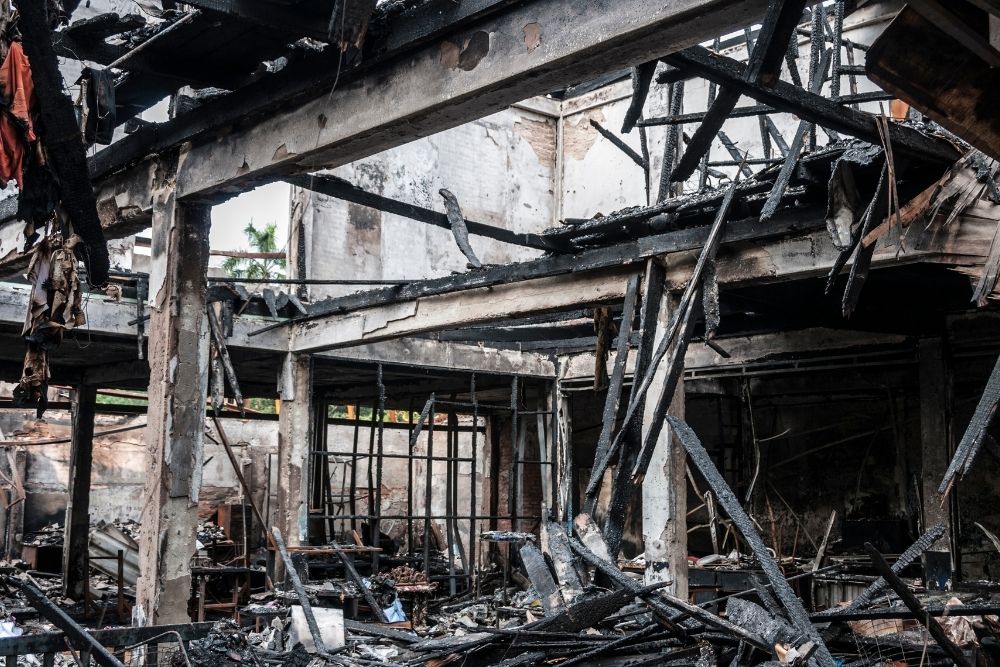
One of the most dangerous hidden effects of a fire is structural weakening. Even if parts of a property appear undamaged, intense heat can reduce the strength of building materials. Wooden beams, support structures, drywall, and even concrete may become compromised during a fire.
Heat exposure can cause wood to become brittle and weak. Metal framing may warp or bend under high temperatures. In some cases, ceilings and walls remain standing temporarily but become unstable over time. These hidden issues can create major safety risks if they are not repaired properly.
Professional restoration teams inspect the entire property to identify areas affected by heat damage. They often use specialized tools to detect structural problems that cannot be seen with the naked eye. Repairing weakened materials early helps prevent further deterioration and protects occupants from future accidents.
Ignoring structural damage can also reduce the value of the property. Even minor fires can leave behind hidden weaknesses that may become more serious months later. Proper restoration ensures the building remains safe and stable after the fire.
Smoke Damage Spreads Throughout the Property
Smoke damage is not limited to the area where the fire started. Smoke particles can travel through vents, hallways, and hidden openings within the property. As a result, rooms far away from the flames may still suffer contamination and odor problems.
Smoke residue can settle on walls, ceilings, furniture, carpets, and personal belongings. Different types of fires produce different forms of smoke residue. Some leave dry powdery soot, while others create oily or sticky residue that is harder to remove.
Without professional cleaning, smoke particles may continue circulating through the air. Lingering smoke odors can make a property uncomfortable and unhealthy to occupy. Smoke contamination may also trigger allergies and respiratory irritation for some individuals.
Professional fire damage restoration services use specialized equipment to remove smoke residue completely. Air scrubbers, thermal fogging, and deodorization treatments help restore clean indoor air and eliminate persistent odors. Quick cleanup also improves the chances of saving furniture, clothing, and other valuable belongings.
Water Damage Often Follows a Fire
Many people forget that water damage is another major problem after a fire. Firefighters use large amounts of water to extinguish flames, and that water can soak into walls, flooring, insulation, and furniture. If moisture is not removed quickly, it can continue damaging the property long after the fire is over.
Water trapped behind walls or under floors can weaken materials and cause warping. Damp conditions also create the perfect environment for mold growth. In some cases, hidden moisture may remain unnoticed for days or weeks.
Professional restoration teams use industrial drying equipment to remove moisture from affected areas. Dehumidifiers and air movers help dry materials thoroughly and reduce the risk of mold development. Moisture detection tools also help identify hidden wet areas that require treatment.
Fast action is essential because mold can begin growing within 24 to 48 hours after water exposure. Addressing water damage early helps reduce repair costs and prevents additional health concerns.
Electrical Systems Can Become Unsafe
Fire can severely damage electrical systems, even in areas where flames were not visible. Heat exposure may melt wiring insulation, damage outlets, and affect electrical panels hidden behind walls. Smoke residue can also interfere with electrical connections and sensitive electronics.
A damaged electrical system creates a serious fire hazard if repairs are delayed. Faulty wiring may cause sparks, short circuits, or power failures later. Some problems may remain hidden until weeks or months after the original fire.
Professional electricians and restoration specialists inspect electrical components carefully after a fire. Damaged wiring and outlets are replaced to ensure the property is safe for occupancy. Electrical inspections are especially important before power is restored to the building.
Ignoring electrical damage can place occupants at risk and increase the likelihood of another fire. Proper inspection and repair help restore safety and prevent future problems.
Soot Continues Damaging Surfaces
Soot is one of the most harmful substances left behind after a fire. It contains acidic particles that continue damaging surfaces even after the fire is extinguished. If soot is not removed quickly, it can permanently stain walls, ceilings, fabrics, and flooring.
Metal surfaces may corrode when exposed to soot for extended periods. Electronics are especially vulnerable because soot particles can enter delicate internal components. Glass, appliances, and painted surfaces may also become permanently discolored if cleaning is delayed.
Attempting to clean soot without proper training can make the damage worse. Rubbing soot into surfaces may spread contamination and create deeper staining. Professional restoration teams use specialized cleaning techniques designed for different materials and surfaces.
Quick soot removal improves the chances of restoring damaged belongings and reducing long-term repair costs. Proper cleaning also helps eliminate unpleasant smoke odors that often remain after a fire.
Indoor Air Quality May Be Affected
Hidden air contamination is another common issue after a fire. Smoke particles, soot, and toxic chemicals can remain suspended in the air long after the flames are gone. Breathing contaminated air may lead to coughing, headaches, eye irritation, and respiratory discomfort.
Burned synthetic materials release harmful toxins during combustion. These pollutants may settle inside HVAC systems and continue circulating throughout the property. Even if the property looks clean, indoor air quality may still be unsafe.
Professional restoration companies use air purification equipment to improve indoor conditions. HEPA air scrubbers and filtration systems help remove microscopic particles from the air. Ventilation systems are also cleaned to prevent contaminants from spreading further.
Property owners should avoid reoccupying the building until air quality has been properly assessed. Clean indoor air is an important part of the restoration process and helps protect the health of everyone inside the property.
Mold Growth Can Develop Quickly
Mold growth is a common hidden problem after fire damage because of the water used during firefighting efforts. Moisture trapped inside walls, ceilings, or flooring creates ideal conditions for mold development. In many cases, mold begins growing before homeowners even realize moisture is present.
Mold can spread rapidly throughout a property and affect indoor air quality. Some individuals may experience allergies, breathing difficulties, or other health symptoms when exposed to mold spores. Hidden mold growth can also damage drywall, insulation, and wooden structures.
Professional restoration teams inspect the property carefully for moisture and mold after a fire. Drying equipment and moisture control methods help prevent mold from spreading further. In severe cases, contaminated materials may need to be removed and replaced.
Addressing mold early helps reduce restoration costs and prevents larger health concerns later. Property owners should never ignore musty odors or damp areas after a fire.
Professional Restoration Is Essential
Recovering from a fire involves far more than surface cleaning and cosmetic repairs. Hidden damage can continue affecting the property long after visible signs of the fire disappear. Professional restoration services help identify and repair problems before they become more serious.
Experienced restoration specialists understand how fire, smoke, soot, and water interact within a property. They use advanced tools and proven methods to restore structures safely and efficiently. Their work also helps ensure the property meets safety standards before occupants return.
Insurance companies often recommend professional restoration because proper documentation and repairs reduce future risks. A complete restoration process protects both the property and its long-term value.
Conclusion
Hidden fire damage can create serious long-term problems if it is not addressed quickly. Structural weakening, smoke contamination, electrical hazards, water damage, soot residue, and mold growth often remain unnoticed after a fire. These hidden issues may affect safety, property value, and indoor air quality long after the flames are extinguished.
Professional fire damage restoration helps identify and repair these hidden problems before they become worse. Acting quickly after a fire can reduce repair costs and improve the chances of restoring the property successfully. If your home or business has suffered fire damage, contact JGW Group Water Damage Restoration in Las Vegas, NV for reliable help. Their experienced team provides fast and professional restoration services to protect your property and restore peace of mind. Call 725-525-3122 today for immediate assistance.