

Mold can develop in places you least expect, often staying hidden until it causes serious damage or health concerns. That is why understanding where mold hides is an important part of effective mold remediation. Many homeowners focus only on visible mold on walls or ceilings, but mold frequently grows behind surfaces, under flooring, and inside areas with trapped moisture.
When mold remains unnoticed, it can spread quickly and affect indoor air quality, structural materials, and even personal belongings. Moisture from leaks, humidity, or poor ventilation creates the perfect environment for mold colonies to thrive. Knowing the hidden places mold grows can help you take preventive action before costly repairs become necessary.
This guide explains the most common concealed areas where mold develops and why early detection matters for protecting your property and your health.
Behind Drywall and Wallpaper
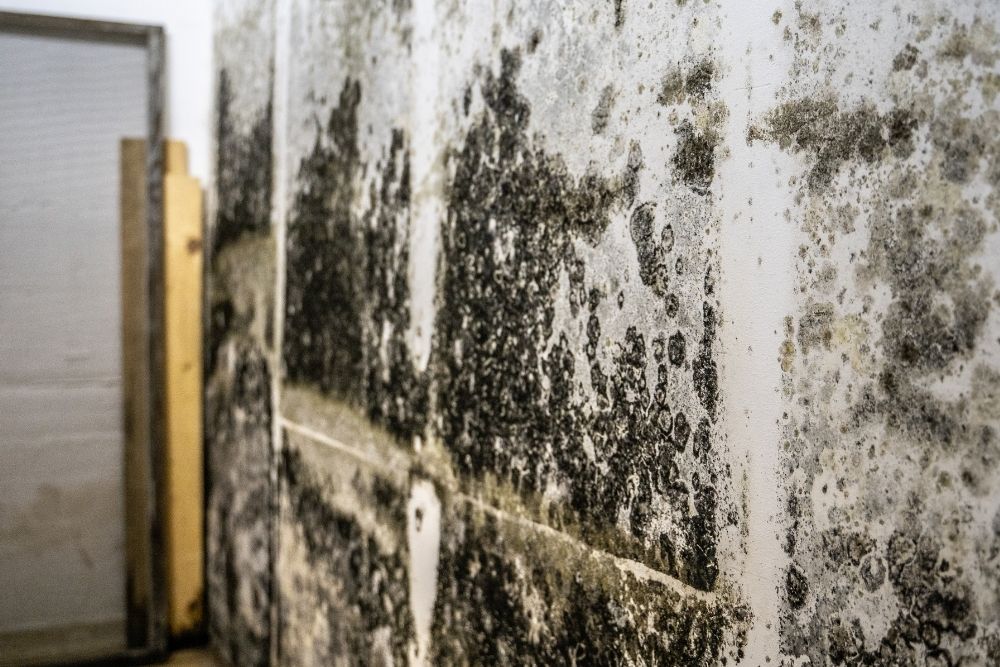
One of the most common hidden locations for mold growth is behind drywall and wallpaper. These surfaces can trap moisture from plumbing leaks, roof damage, or high indoor humidity. Since the moisture stays concealed, mold may continue spreading for weeks or even months without visible warning signs.
Wallpaper can especially create a perfect environment for mold because it traps condensation against the wall surface. In bathrooms, kitchens, and laundry rooms, steam and humidity increase the risk even more. Homeowners may first notice peeling wallpaper, bubbling paint, or a musty smell before discovering the mold problem hidden underneath.
Drywall is highly absorbent, meaning it holds moisture easily once exposed to water. Even a small leak inside the wall cavity can encourage mold growth behind the surface. By the time stains appear externally, mold may already cover a large area inside the wall.
Professional inspections are often necessary because hidden mold behind walls cannot always be identified visually. Moisture meters, infrared cameras, and air quality testing help detect concealed water damage before it becomes severe.
Under Carpets and Flooring
Carpets and flooring materials can hide mold growth extremely well, especially after water damage or spills. Moisture trapped underneath carpet padding creates dark, damp conditions where mold thrives. Even if the carpet surface appears dry, the layers underneath may still hold enough moisture for mold development.
Flooding incidents are a major cause of mold beneath flooring. Water can seep into wood subfloors, laminate seams, and padding materials, allowing mold to grow unseen. In humid climates, condensation under flooring can also become a hidden issue over time.
Hardwood flooring may show subtle signs such as warping, buckling, or soft spots. Carpets may develop unpleasant odors or feel damp underfoot. Unfortunately, many homeowners overlook these warning signs until the damage becomes extensive.
Quick drying after water exposure is critical. Flooring materials should be thoroughly inspected and dried within 24 to 48 hours whenever possible. Professional drying equipment can remove moisture trapped beneath surfaces that standard fans cannot reach.
Proper mold remediation often involves lifting carpet or flooring materials to fully inspect hidden areas. Simply cleaning the visible surface rarely solves the underlying issue if moisture remains underneath.
Inside HVAC Systems and Air Ducts
Heating and cooling systems can become hidden breeding grounds for mold when moisture accumulates inside ductwork or air conditioning units. Since HVAC systems circulate air throughout the home, mold growing inside them can spread spores into multiple rooms quickly.
Condensation naturally forms around cooling coils and inside air ducts. If drainage systems clog or humidity levels stay high, mold can begin growing inside vents, drip pans, and insulation surrounding the ductwork. Dust buildup inside HVAC systems can also provide nutrients that help mold survive.
Many homeowners notice symptoms like musty odors when the air conditioner runs, increased allergy symptoms, or visible dust around vents. However, the actual mold colonies often remain hidden deep inside the system.
Routine HVAC maintenance is essential for preventing mold buildup. Replacing air filters regularly, cleaning vents, and ensuring proper drainage can significantly reduce moisture problems. Professional inspections may also identify leaks or hidden condensation issues before mold spreads further.
Beneath Kitchen and Bathroom Sinks
The cabinets under sinks are among the most overlooked areas for hidden mold growth. Small plumbing leaks, dripping pipes, or condensation can slowly create moisture problems inside enclosed cabinets. Since these spaces are dark and poorly ventilated, mold can spread rapidly before anyone notices.
Bathroom sinks are especially vulnerable because of constant humidity and frequent water exposure. Kitchen sinks also face risks from leaking garbage disposals, drainpipes, or dishwasher connections. Even minor water drips over time can saturate cabinet wood and drywall.
Common warning signs include warped cabinet surfaces, musty smells, discoloration, or peeling materials. In some cases, homeowners may discover mold only after removing stored items from beneath the sink.
Checking under sinks regularly can help identify leaks early. Wiping away moisture and improving ventilation around plumbing areas can reduce mold risks significantly. Waterproof cabinet liners may also help protect surfaces from small spills or leaks.
Around Windows and Window Frames
Windows are another hidden location where mold frequently develops. Condensation buildup around window frames creates excess moisture that often goes unnoticed, especially in humid environments or poorly insulated homes.
Mold commonly grows inside window tracks, behind trim, or within surrounding drywall. Curtains and blinds can also trap moisture near windows, preventing proper airflow and increasing dampness. During colder seasons, temperature differences between indoor and outdoor air can cause even more condensation.
Signs of hidden mold near windows may include peeling paint, water stains, soft drywall, or persistent condensation. Black spots around frames or musty odors are additional indicators that mold could be present.
Proper ventilation and humidity control are essential for preventing window-related mold problems. Using exhaust fans, opening windows periodically, and maintaining indoor humidity levels below 50 percent can help reduce condensation.
Inside Attics and Roof Spaces
Attics often contain hidden mold because homeowners rarely inspect them closely. Roof leaks, poor insulation, and inadequate ventilation can all create damp conditions inside attic spaces. Since attics are usually dark and warm, mold can spread unnoticed for long periods.
Moisture in attics may come from leaking roofing materials, clogged vents, or condensation from temperature fluctuations. Improperly vented bathrooms or dryers can also push humid air into attic areas, increasing mold risks significantly.
Homeowners may notice moldy odors, stained ceilings, or rising energy bills before discovering attic mold. Unfortunately, by the time these signs appear, the mold problem may already be extensive.
Routine attic inspections are important for identifying leaks and ventilation problems early. Ensuring proper airflow through attic vents helps prevent excess moisture buildup.
Behind Appliances
Large household appliances often create hidden moisture problems that encourage mold growth. Refrigerators, washing machines, dishwashers, and water heaters are common sources of unnoticed leaks or condensation.
Water lines connected to refrigerators and dishwashers can slowly drip behind appliances without visible signs. Washing machines may leak during cycles or trap moisture around hoses and drain systems. Because these areas are difficult to access, mold often develops before homeowners realize there is a problem.
Dust accumulation behind appliances also contributes to mold growth because it provides organic material that mold feeds on. Warm temperatures around motors and compressors can further increase moisture buildup.
Pulling appliances away from walls periodically for inspection is a simple but effective prevention step. Cleaning behind appliances and checking hoses regularly can help detect small leaks early.
Crawl Spaces and Basements
Crawl spaces and basements are among the most moisture-prone areas in any home. Poor drainage, groundwater seepage, and high humidity often create ideal conditions for mold growth in these hidden locations.
Basements commonly experience condensation on concrete walls and pipes, especially in humid climates. Crawl spaces may trap damp air because of poor ventilation or exposed soil. When moisture remains trapped, mold can spread on wood beams, insulation, and stored materials.
The challenge with crawl space mold is that many homeowners rarely enter these areas. Problems may continue developing for years before visible signs appear elsewhere in the home. Musty odors, warped flooring, or allergy symptoms can all indicate hidden mold below the structure.
Installing vapor barriers and improving drainage around the property can help reduce moisture levels in crawl spaces and basements. Dehumidifiers are also effective in maintaining safer humidity levels.
Conclusion
Hidden mold can develop in many unexpected areas throughout a home, from behind drywall and under flooring to inside HVAC systems and crawl spaces. Since these areas are often out of sight, mold problems may continue spreading long before visible signs appear. Early detection, proper moisture control, and routine inspections are essential for preventing serious property damage and health concerns.
Professional mold remediation services can help identify concealed mold growth and safely remove contaminated materials before the problem worsens. If you suspect hidden mold in your home, acting quickly can save both time and repair costs.
For expert assistance in Las Vegas, contact JGW Group Water Damage Restoration at 725-525-3122. Their experienced team can help restore your property and create a safer indoor environment for your family.