When a sewage backup happens, fast action is critical. Professional sewage cleanup protects your property, your health, and the structure of your home or business. Sewage water contains dangerous bacteria, viruses, and contaminants that can spread quickly through flooring, walls, and furniture if not treated properly. Even a small overflow can turn into a major sanitation problem within hours.
Understanding how sewage cleanup works helps property owners respond quickly during an emergency. Professional restoration companies use specialized equipment, protective gear, and advanced drying systems to remove contaminated water and restore affected areas safely. From inspection and extraction to sanitization and repairs, every step plays an important role in preventing long-term damage. In this guide, we’ll explain the sewage cleanup process, common causes of backups, health risks, and how professional restoration helps return your property to a safe condition.
What Is Sewage Cleanup?
Sewage cleanup is the process of removing contaminated water, sanitizing affected areas, and restoring a property after a sewage backup or overflow. Unlike clean water damage, sewage contamination contains harmful microorganisms that create serious health risks. Because of this, sewage restoration requires professional handling and specialized safety procedures.
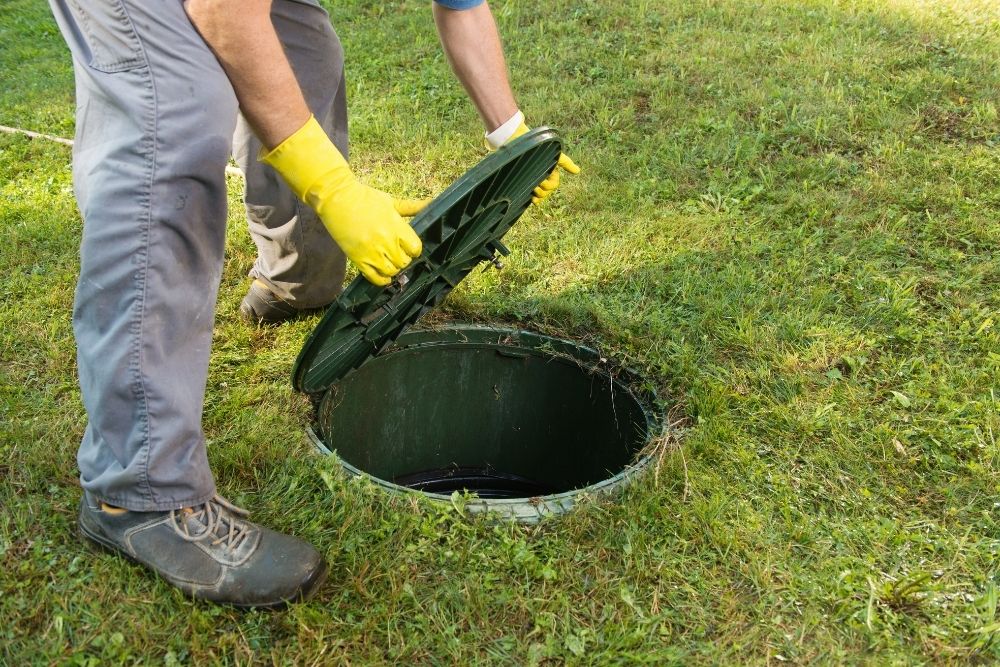
The process begins by identifying the source of the backup. Sewage problems may come from clogged drain lines, broken sewer pipes, overflowing toilets, or flooding that overwhelms city sewer systems. Once the source is controlled, restoration technicians inspect the affected areas to determine the extent of contamination.
Professional teams wear protective equipment and use industrial-grade cleaning products to prevent bacteria from spreading throughout the property. Materials like carpet, insulation, and drywall may need removal if contamination is severe. The goal is not only to remove visible waste but also to eliminate bacteria, odors, and hidden moisture.
Without proper cleanup, sewage contamination can continue affecting indoor air quality and structural materials long after the visible water disappears. That is why professional restoration is necessary after any sewage emergency.
Common Causes of Sewage Backups
Sewage backups can happen for several reasons. One of the most common causes is clogged drains and pipes. Grease, paper products, wipes, and debris can build up inside plumbing systems over time, restricting wastewater flow and causing backups.
Tree root intrusion is another major problem. Tree roots naturally search for moisture and can enter underground sewer pipes through tiny cracks. As roots grow larger, they block water flow and eventually cause sewage to back up into the property.
Heavy rainstorms and flooding can also overwhelm municipal sewer systems. When public sewer lines cannot handle excess water, wastewater may flow backward into homes and businesses. Older properties are especially vulnerable because aging pipes may lack modern backflow protection.
Broken or collapsed sewer lines are another common cause of sewage damage. Corrosion, shifting soil, and aging infrastructure can damage underground pipes over time. When sewer lines crack or collapse, wastewater cannot drain correctly.
Regular plumbing maintenance can help reduce the risk of sewage emergencies. Routine inspections and drain cleaning help identify problems before they become serious and expensive.
The Inspection and Damage Assessment Process
The first step in professional sewage cleanup is a complete inspection of the property. Restoration technicians assess contamination levels, identify safety hazards, and determine which materials can be restored or removed.
Moisture detection equipment is commonly used during this stage. Moisture meters and thermal imaging cameras help locate hidden water behind walls, beneath flooring, and inside structural materials. Sewage contamination often spreads farther than what is visible on the surface.
Technicians also inspect electrical systems and structural stability before beginning cleanup. Standing contaminated water near outlets or damaged flooring can create dangerous conditions. Safety always comes first during the restoration process.
After the inspection, restoration professionals create a cleanup plan based on the severity of the damage. This plan may include water extraction, material removal, sanitization, drying, and repairs.
A proper assessment is essential because incomplete cleanup can leave moisture and bacteria hidden inside the property. Thorough inspections help ensure every contaminated area is properly restored.
Water Extraction and Removal of Damaged Materials
Once the inspection is complete, technicians begin removing contaminated water from the property. Industrial pumps and extraction vacuums are used to quickly remove sewage water from floors, carpets, and other affected areas.
Fast water removal is important because standing sewage water can rapidly damage structural materials and increase bacterial growth. The longer contamination remains inside the property, the greater the health and structural risks become.
Porous materials often absorb contaminated water and may not be salvageable. Carpet, drywall, insulation, and upholstered furniture are commonly removed during sewage cleanup. Restoration teams safely dispose of damaged materials according to health and environmental regulations.
Non-porous materials such as concrete, tile, and metal may be restored after proper cleaning and disinfecting. However, every material must be inspected carefully to determine whether restoration is safe.
Cleaning, Sanitizing, and Odor Removal
After contaminated materials are removed, the property must be thoroughly cleaned and sanitized. Sewage water contains harmful bacteria, viruses, and toxins that can remain on surfaces even after visible water is gone.
Professional restoration companies use industrial-strength disinfectants to clean affected areas. Floors, walls, structural materials, and other surfaces are scrubbed and sanitized to eliminate contamination.
Air quality is another important part of the cleanup process. Air scrubbers and HEPA filtration systems help remove airborne particles, bacteria, and unpleasant odors from the property. Without proper air cleaning, contaminants may continue affecting indoor air quality.
Odor removal is especially important after sewage damage. Strong sewage smells can penetrate porous materials and linger long after the backup occurs. Professional deodorization treatments target odors at the source rather than masking them temporarily.
Drying and Moisture Control
Even after contaminated water is removed, hidden moisture may still remain inside walls, flooring, and structural materials. Professional drying is necessary to prevent mold growth and long-term structural damage.
Restoration companies use industrial air movers and dehumidifiers to dry affected areas completely. These machines improve airflow and remove excess moisture from the property. Depending on the severity of the damage, drying may take several days.
Technicians monitor moisture levels throughout the process using specialized equipment. Moisture meters help confirm when materials have reached safe drying levels.
Skipping proper drying can lead to hidden mold growth behind walls or underneath flooring. Mold can begin developing within 24 to 48 hours in damp conditions, creating additional health concerns and expensive repairs.
Health Risks of Sewage Exposure
Exposure to sewage contamination can create serious health problems. Sewage water contains bacteria, viruses, parasites, and harmful toxins that may cause illness if not handled correctly.
Direct contact with contaminated water can lead to infections, skin irritation, stomach illness, and respiratory problems. Inhaling airborne contaminants may also affect people with asthma, allergies, or weakened immune systems.
Children and elderly individuals are especially vulnerable to sewage-related health risks. Even after visible contamination is removed, lingering bacteria and moisture can continue affecting indoor air quality.
This is why professional sewage cleanup should never be delayed. Attempting to clean sewage water without proper equipment and protective gear can expose occupants to dangerous contaminants.
Preventing Future Sewage Problems
Preventive maintenance can help reduce the risk of future sewage backups. One of the best ways to protect your plumbing system is to avoid flushing grease, wipes, paper towels, and other debris down drains or toilets.
Routine plumbing inspections can help identify pipe damage, clogs, or tree root intrusion before serious problems occur. Many homeowners schedule regular drain cleaning to maintain proper wastewater flow.
Installing backflow prevention devices can also help protect properties during heavy storms or municipal sewer overloads. These systems prevent wastewater from flowing backward into the home.
Paying attention to warning signs is important as well. Slow drains, unpleasant odors, and gurgling sounds may indicate developing sewer line problems.
Conclusion
Sewage backups are serious situations that require immediate professional attention. From inspection and water extraction to sanitization and drying, every step of the restoration process helps protect your property and your health. Proper sewage cleanup removes dangerous contaminants, prevents mold growth, and restores safe living conditions after a sewage emergency.
If you need professional sewage cleanup services, JGW Group Water Damage Restoration is ready to help homeowners and businesses throughout Las Vegas, NV. Our experienced team uses advanced equipment and proven restoration methods to safely restore your property after sewage damage. Contact JGW Group Water Damage Restoration today at 725-525-3122 for fast and reliable sewage cleanup and water damage restoration services in Las Vegas, Nevada.