A sewage backup is one of the most stressful and hazardous problems a property owner can face. Whether it happens in a home or commercial building, sewage water can spread harmful bacteria, damage flooring, ruin furniture, and create dangerous health conditions. Fast and proper sewage cleanup is essential to protect both your property and your health. Ignoring the problem or trying to clean contaminated water without the right process can make the situation worse and lead to expensive repairs later.
Understanding how to handle a sewage backup can help you act quickly during an emergency. From identifying the cause to knowing when to call professionals, every step matters. In this guide, we’ll cover the safest and most effective ways to respond to a sewage backup, reduce damage, and restore your property properly.
What Causes a Sewage Backup?
Sewage backups can happen for several reasons, and understanding the cause is the first step toward preventing future problems. One of the most common causes is clogged drain lines. Grease, paper products, hair, wipes, and debris can build up over time and block the sewer system. When wastewater has nowhere to go, it flows back into sinks, toilets, and drains.
Tree root intrusion is another common issue. Roots naturally seek moisture and can grow into underground sewer pipes through tiny cracks. Over time, the roots expand and block the flow of wastewater. Older plumbing systems are especially vulnerable to this type of damage.
Heavy rainfall can also overwhelm city sewer systems. During storms, municipal drains may not handle the increased water volume, causing sewage to back up into nearby homes and businesses. In some cases, damaged or collapsed sewer lines are the main problem, especially in older neighborhoods with aging infrastructure.
Knowing the source of the backup helps professionals determine the best repair and cleanup solution. It also reduces the chance of the issue happening again in the future.
Why Sewage Backups Are Dangerous
A sewage backup is more than just an unpleasant mess. Raw sewage contains bacteria, viruses, parasites, and other harmful contaminants that can create serious health risks. Exposure to contaminated water can lead to infections, respiratory problems, skin irritation, and gastrointestinal illnesses.
Children, elderly individuals, and people with weakened immune systems are especially vulnerable. Even short-term exposure to sewage-contaminated areas can be dangerous if proper safety precautions are not taken. This is why professional sewage cleanup services are often necessary after a backup occurs.
In addition to health concerns, sewage water can rapidly damage building materials. Drywall, insulation, carpeting, wood flooring, and furniture can absorb contaminated water quickly. If not removed and sanitized properly, these materials may develop mold growth within 24 to 48 hours.
The smell associated with sewage backups can also linger for weeks if the area is not professionally cleaned and deodorized. Acting quickly can minimize property damage and help restore safe indoor conditions faster.
Immediate Steps to Take After a Backup
When a sewage backup occurs, your first priority should always be safety. Avoid walking through standing sewage water, especially if electrical outlets or appliances are nearby. If possible, turn off electricity to the affected area before entering.
Next, stop using plumbing fixtures in the building. Running sinks, flushing toilets, or using washing machines can worsen the backup and cause additional flooding. If the source appears severe, contact a plumber immediately to inspect the sewer line.
Open windows and doors to improve ventilation and reduce odors. Keep children and pets away from the contaminated area until it has been properly cleaned and disinfected. Wearing gloves, boots, and protective masks is important if you must enter the affected space.
Take photos of the damage for insurance purposes before beginning cleanup. Documentation can help support your claim and provide evidence of property damage. Then contact a professional restoration company to begin the cleanup and sanitation process as soon as possible.
Quick action can significantly reduce repair costs and prevent long-term contamination issues inside the property.
The Importance of Professional Cleanup
Cleaning up sewage water is very different from handling a simple water leak. Because sewage contains hazardous contaminants, professional restoration teams use specialized equipment and safety procedures to ensure the area is fully sanitized.
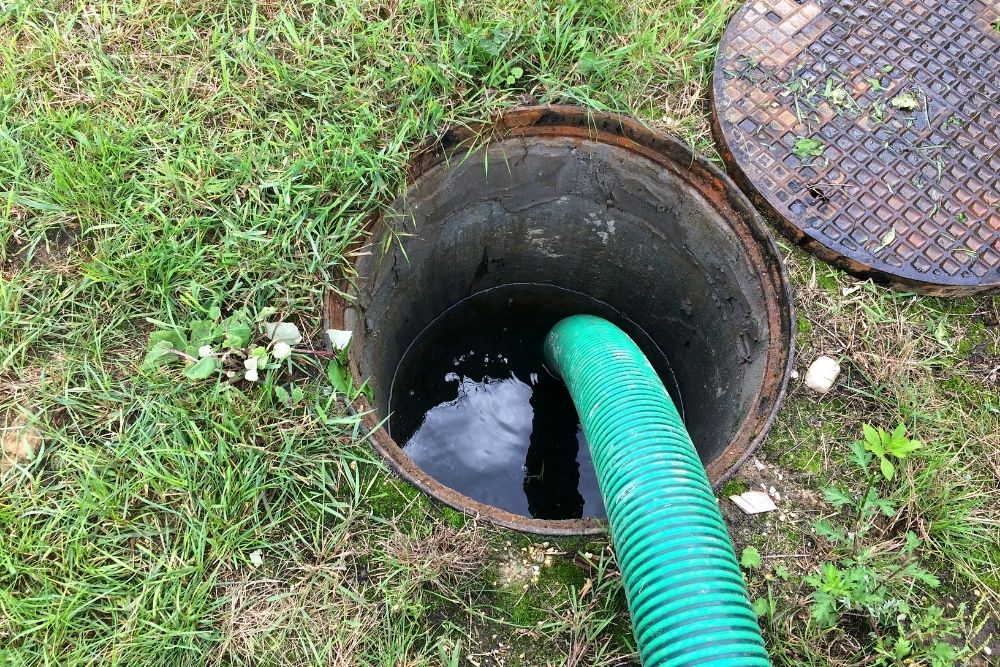
Professional technicians begin by removing standing water using industrial pumps and extraction equipment. They then identify damaged materials that cannot be salvaged, such as soaked drywall or contaminated carpeting. Proper disposal of these materials is essential to prevent further health risks.
After water removal, the affected surfaces are cleaned with industrial-grade disinfectants designed to eliminate bacteria and viruses. Air scrubbers and dehumidifiers are often used to improve air quality and remove excess moisture from the structure.
Professional restoration companies also inspect hidden areas where contamination may have spread. Moisture trapped behind walls or under flooring can lead to mold growth if not treated properly. Thorough drying and deodorization help restore safe indoor conditions and eliminate lingering odors.
Hiring experienced professionals ensures the cleanup process meets health and safety standards while protecting your property from additional damage.
How to Prevent Future Sewage Backups
Preventing sewage backups starts with proper maintenance and smart plumbing habits. One of the easiest ways to reduce risk is avoiding flushing items that can clog pipes. Products like wipes, paper towels, grease, and hygiene products should never go down drains or toilets.
Regular sewer line inspections can also help identify issues before they become major problems. Professional plumbers can use cameras to inspect underground pipes and locate cracks, blockages, or tree root intrusion early.
Installing a backwater valve is another effective prevention method. This device helps stop sewage from flowing back into your property during heavy rainstorms or sewer system overloads. Homes in flood-prone areas often benefit greatly from this added protection.
Routine maintenance of drains and septic systems is equally important. Keeping pipes clean and repairing leaks quickly can prevent pressure buildup and pipe damage over time.
Property owners who invest in preventive maintenance often save thousands of dollars by avoiding major sewage emergencies and costly structural repairs.
Signs You May Have a Sewer Line Problem
Many sewage backups do not happen without warning. In fact, there are several signs that may indicate a developing sewer line issue before a full backup occurs. Recognizing these warning signs early can help you take action before major damage happens.
Slow drains throughout the property are one of the most common indicators. If multiple sinks, tubs, or toilets drain slowly at the same time, the problem may be located in the main sewer line rather than a single drain.
Unpleasant odors coming from drains or around the yard may also signal a sewer issue. Sewage smells should never be ignored because they often indicate trapped waste or damaged pipes.
Gurgling sounds from toilets or drains are another warning sign. Air trapped in blocked sewer lines can create bubbling noises when water moves through the plumbing system.
In some cases, unusually green patches of grass outside may point to a leaking sewer pipe underground. If you notice these symptoms, contacting a professional plumber quickly can help prevent a complete sewage backup inside the property.
Understanding Insurance Coverage for Sewage Damage
Insurance coverage for sewage backups can vary depending on your policy. Many homeowners are surprised to learn that standard insurance policies may not automatically cover sewer-related damage unless additional protection has been added.
Some insurance providers offer sewer backup endorsements or riders that specifically cover water damage caused by backed-up drains and sewer systems. Reviewing your policy carefully can help you understand what is included before an emergency happens.
When filing a claim, documentation is extremely important. Taking photos, saving receipts, and keeping records of professional restoration work can support your case and speed up the claims process.
Insurance companies may also require proof that the property owner took reasonable steps to minimize damage after the incident. This includes contacting professionals quickly and preventing further contamination whenever possible.
Working with a restoration company experienced in insurance claims can make the process smoother. Many professionals help property owners document losses and communicate directly with insurance adjusters during restoration projects.
Conclusion
Handling a sewage backup properly requires quick action, safety precautions, and professional restoration support. From identifying the cause to sanitizing contaminated areas, every step plays a major role in protecting your property and health. Sewage water contains harmful contaminants that should never be ignored or cleaned carelessly.
Preventive maintenance, regular inspections, and early detection can help reduce the risk of future backups. If you experience a sewage emergency, professional assistance is the safest way to restore your property correctly and avoid long-term damage.
For reliable sewage cleanup and restoration services in Las Vegas, contact JGW Group Water Damage Restoration today. Their experienced team is ready to respond quickly and help restore your home or business safely. Call 725-525-3122 for immediate assistance.