Dealing with sewage damage is one of the most stressful situations a property owner can face. Beyond the unpleasant odor and contamination risks, the cleanup process can be expensive and time-consuming. Many homeowners and business owners assume their insurance policy will automatically cover every type of sewage-related issue, only to discover gaps in their coverage after filing a claim. Understanding how insurance works for sewage cleanup is essential if you want to avoid unexpected costs and protect your property from long-term damage.
Sewage backups can happen because of clogged pipes, storm flooding, aging sewer systems, or damaged plumbing lines. In many cases, the damage spreads quickly into floors, walls, furniture, and electrical systems. Knowing what your insurance policy includes, what exclusions exist, and when additional coverage may be necessary can help you respond faster and reduce financial stress during an emergency.
What Causes Sewage Damage in Residential Properties
Sewage damage can happen for several reasons, and understanding the source often determines whether insurance coverage applies. One of the most common causes is a blocked sewer line. Grease buildup, tree roots, and foreign objects can restrict the flow of wastewater and force sewage back into the property.
Heavy rainfall and flooding can also overwhelm city sewer systems. When public sewer lines become overloaded, wastewater may back up into homes through drains, toilets, and sinks. Older properties are especially vulnerable because aging plumbing systems are more likely to fail during severe weather events.
Broken pipes and septic system failures are other common causes. Cracked or deteriorating pipes may leak contaminated water into crawl spaces, basements, or walls before the issue is even noticed. In some situations, routine maintenance problems may lead to denied insurance claims if the insurer determines the damage could have been prevented.
Because sewage contamination contains harmful bacteria and toxins, fast action is necessary. Professional sewage cleanup helps reduce health risks and prevents further structural damage inside the property.
Does Homeowners Insurance Cover Sewage Damage
Standard homeowners insurance policies usually provide limited coverage for sewage-related damage. In many cases, the policy may cover sudden and accidental incidents, such as a burst pipe that causes wastewater contamination inside the home. However, coverage varies depending on the source of the damage and the exact terms of the policy.
Most standard policies do not automatically include sewer backup protection. Homeowners often need to purchase an additional endorsement or rider specifically for sewer and drain backup incidents. Without this add-on, the insurance company may deny the claim entirely.
Insurance companies typically distinguish between internal plumbing failures and external flooding events. For example, if a municipal sewer system backs up during a storm, flood-related exclusions may apply. Flood insurance policies are separate from standard homeowners coverage and may be required in high-risk areas.
Reviewing your insurance documents carefully is important. Understanding deductibles, policy limits, and exclusions before an emergency occurs can help you avoid confusion and unexpected expenses during the claims process.
The Difference Between Sewer Backup and Flood Damage
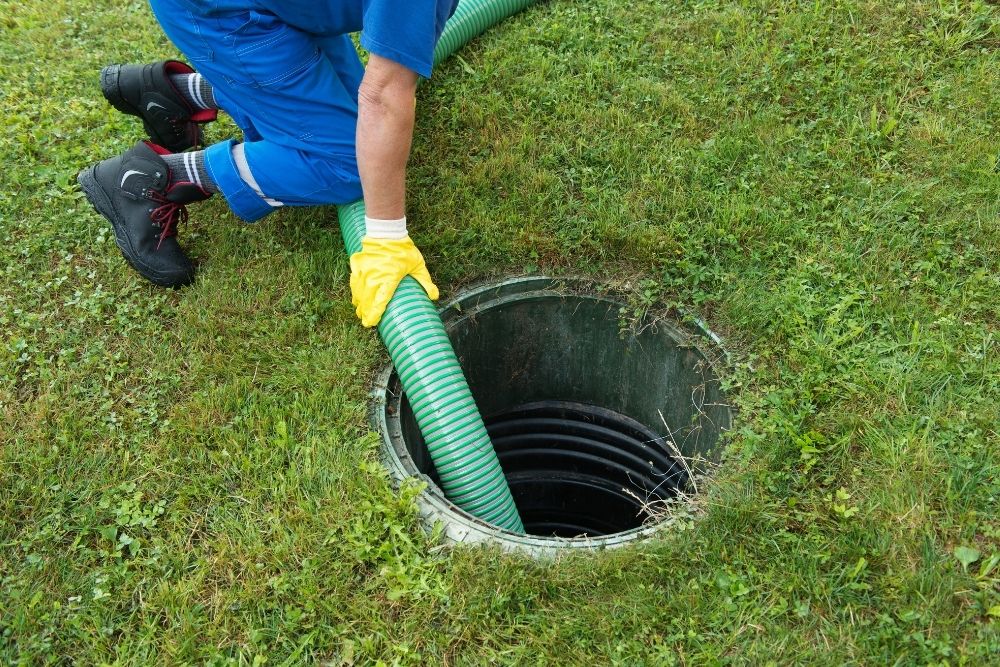
Many property owners mistakenly believe sewer backup and flood damage are treated the same by insurance providers. In reality, they are usually classified differently. Sewer backup refers to wastewater entering a property through drains, pipes, or plumbing fixtures because of a blockage or overwhelmed sewer system.
Flood damage, on the other hand, comes from rising water entering the property from outside sources. This includes storm surges, overflowing rivers, or heavy rainwater accumulation. Standard homeowners insurance generally excludes flood-related losses unless separate flood insurance has been purchased.
This distinction matters because claims can be denied based on how the insurance adjuster categorizes the incident. For example, if stormwater enters the property first and contributes to the sewage contamination, the insurer may classify it as flood damage rather than a sewer backup.
Professional inspection and documentation are important during these situations. Restoration specialists can identify the origin of the contamination and provide evidence that may support your insurance claim. Proper documentation also helps simplify communication between homeowners and insurance companies during sewage cleanup and restoration work.
What Insurance Policies Usually Exclude
Insurance policies often contain exclusions that surprise homeowners after sewage damage occurs. One common exclusion involves gradual damage caused by poor maintenance. If pipes have been leaking for months or sewer lines were never properly maintained, the insurer may argue the problem was preventable.
Damage resulting from wear and tear is another frequent exclusion. Older plumbing systems that fail because of age may not qualify for coverage under standard policies. Some insurance providers also exclude septic tank overflows caused by lack of maintenance or improper use.
Flood-related sewage contamination is commonly excluded unless flood insurance exists. Even if sewage enters the property, insurers may deny claims tied to natural flooding events. Mold growth resulting from delayed cleanup may also fall outside the policy if the homeowner did not act quickly to address the damage.
How to File a Sewage Damage Insurance Claim
Filing a sewage damage claim requires quick action and proper documentation. The first step is ensuring everyone’s safety. Contaminated water can contain bacteria, viruses, and hazardous materials that pose serious health risks. Avoid direct contact with affected areas whenever possible.
Next, contact your insurance company immediately to report the incident. Most insurers have specific procedures and deadlines for filing claims. Taking photos and videos of the affected areas before cleanup begins can help support your case and provide proof of the damage.
Professional restoration companies often assist with the documentation process. They may provide moisture readings, contamination assessments, and detailed repair estimates for the insurer. Keeping records of all communication, invoices, and temporary repairs is also important throughout the process.
Insurance adjusters may inspect the property before approving the claim. Responding quickly and providing complete documentation can improve the chances of faster claim approval and smoother reimbursement for sewage cleanup expenses.
Why Professional Sewage Cleanup Is Necessary
Sewage contamination is not something property owners should handle without professional assistance. Wastewater contains dangerous microorganisms that can cause serious illness through skin contact or airborne exposure. Even small spills can create unsafe indoor environments if not cleaned properly.
Professional restoration teams use specialized equipment to remove contaminated water, disinfect surfaces, and dry affected areas. They also follow industry safety standards to minimize cross-contamination throughout the property. Proper disposal of contaminated materials is another important part of the process.
Hidden moisture can remain inside walls, flooring, and insulation long after visible water disappears. Without thorough drying, mold growth may begin within days. Professional sewage cleanup services include moisture detection and structural drying to reduce long-term damage risks.
Tips for Preventing Sewage Backups
Preventive maintenance can significantly reduce the risk of sewage backups and costly property damage. One of the most effective steps is avoiding grease, wipes, paper towels, and large debris from entering drains. These materials commonly contribute to pipe blockages over time.
Regular plumbing inspections can identify early warning signs before major failures occur. Tree roots invading underground sewer lines are a frequent issue in older neighborhoods. Professional inspections may detect cracks, corrosion, or obstructions before they become severe.
Installing a backwater valve can also help prevent wastewater from flowing backward into the property during sewer system overloads. Many homeowners in flood-prone areas consider this a valuable investment for added protection.
Maintaining gutters, downspouts, and drainage systems around the property helps reduce excess water pressure during storms. Taking preventive steps not only lowers the risk of sewage damage but may also improve the chances of insurance approval if a future incident occurs.
The Importance of Reviewing Insurance Coverage Regularly
Insurance needs can change over time, especially as properties age or weather patterns become more severe. Many homeowners purchase a policy and rarely review the details again until a disaster happens. Unfortunately, this can lead to unexpected coverage gaps during a sewage emergency.
Reviewing insurance coverage annually allows property owners to confirm whether sewer backup protection is included. It also provides an opportunity to adjust policy limits based on rising repair and restoration costs. Older homes with aging plumbing systems may require additional protection to reduce financial risk.
As climate conditions continue to change, sewer systems in many cities experience increased pressure during storms. Properties that never previously experienced backups may now face greater vulnerability. Updating coverage can help homeowners prepare for these changing risks.
Conclusion
Understanding insurance coverage for sewage damage is essential for protecting your home, finances, and health. While some policies may cover sudden plumbing failures, many sewage cleanup situations require additional endorsements or separate flood insurance coverage. Knowing the difference between sewer backups, flood damage, and maintenance-related exclusions can help homeowners avoid denied claims and unexpected expenses.
Fast response, detailed documentation, and professional restoration services all play important roles during the recovery process. Preventive maintenance and regular insurance reviews can also reduce long-term risks associated with sewage contamination.
If you need professional assistance with sewage cleanup in Las Vegas, contact JGW Group Water Damage Restoration at 725-525-3122 for expert restoration services and emergency support.