Finding mold in your home can be stressful and expensive. Many homeowners wonder whether their insurance policy will help cover the cost of cleanup and repairs. In many cases, mold remediation may be covered if the mold results from a sudden and accidental event, such as a burst pipe or unexpected appliance leak. However, insurance companies often deny claims when mold develops because of long-term neglect or poor maintenance. Understanding your policy is important because mold can spread quickly and cause serious damage to walls, flooring, insulation, and indoor air quality. Knowing what is and is not covered can help you make informed decisions and avoid unexpected expenses. This guide explains how homeowners insurance handles mold claims, common exclusions, and what homeowners should do when mold damage occurs.
What Causes Mold Growth in Homes
Mold thrives in damp and humid environments where moisture is left untreated. Common causes include leaking pipes, roof damage, flooding, poor ventilation, and appliance malfunctions. Bathrooms, kitchens, attics, and basements are especially vulnerable because they often experience high humidity levels and hidden moisture buildup.
Once water enters a property, mold can begin growing within 24 to 48 hours. It spreads rapidly across drywall, wood, carpet, and insulation. In some cases, mold growth remains hidden behind walls or beneath flooring until significant damage has already occurred.
Homeowners can reduce mold risks by controlling indoor humidity, repairing leaks quickly, and improving ventilation throughout the property. Dehumidifiers and exhaust fans are especially helpful in preventing excess moisture buildup.
Insurance companies pay close attention to the source of the mold when reviewing claims. If the mold developed because of a preventable maintenance issue, coverage may be denied. However, mold caused by a sudden event may qualify for assistance under certain homeowners insurance policies. Understanding the root cause of mold growth is often the first step in determining whether coverage applies.
When Insurance Typically Covers Mold Damage
Homeowners insurance may provide coverage for mold damage if it results from a covered peril. A covered peril is a sudden and accidental event specifically listed in the insurance policy. Examples include burst pipes, accidental water overflows, or unexpected appliance failures that lead to water damage.
If mold develops after one of these covered incidents, the insurance company may help pay for repairs, cleanup, and mold remediation. Some policies also cover temporary living expenses if the property becomes unsafe during restoration work.
Insurance providers generally expect homeowners to act quickly after discovering water damage. Delays in drying or repairing affected areas can increase mold growth and complicate the claim process. Homeowners should document the damage with photos, save repair invoices, and report the issue immediately.
Even when coverage applies, policies often contain limitations. Some insurers place caps on mold-related claims, which may only cover part of the total cleanup cost. Additional endorsements or riders may be available for homeowners seeking broader mold protection.
Situations Where Mold Is Usually Not Covered
While some mold claims qualify for insurance coverage, many situations are excluded under standard homeowners policies. Long-term neglect is one of the most common reasons claims are denied. If a slow plumbing leak continues for months without repair and mold develops, insurers may consider the damage preventable.
Poor ventilation and excessive humidity can also lead to denied claims. Bathrooms without exhaust fans, damp basements, and improperly ventilated attics often create conditions where mold thrives. Insurance companies typically expect homeowners to maintain their property and address moisture problems promptly.
Flood-related mold damage is another common exclusion. Standard homeowners insurance usually does not cover flooding caused by natural disasters. Homeowners who want protection against flood damage generally need a separate flood insurance policy.
Roof leaks, cracked foundations, and ongoing seepage may also fall outside standard coverage if insurers determine the issues resulted from neglected maintenance. In these situations, homeowners become responsible for the cost of repairs and cleanup.
Because mold remediation can become expensive, understanding policy exclusions is extremely important. Regular home inspections and fast water damage response can help reduce the risk of denied claims and costly restoration work later.
How Insurance Companies Investigate Mold Claims
Insurance companies carefully investigate mold claims to determine whether coverage applies. The primary goal is identifying the exact source of moisture and deciding whether the damage resulted from a covered event or homeowner neglect.
After a claim is filed, an insurance adjuster may inspect the property and review visible damage. They often take photographs, evaluate repair history, and assess how long the moisture problem may have existed. In severe cases, mold specialists or environmental inspectors may also become involved.
Documentation plays an important role during this process. Homeowners should keep records of plumbing repairs, water damage cleanup, and communication with restoration contractors. Photos and invoices can help support the claim and demonstrate that proper action was taken quickly.
Insurance companies may deny claims if they believe homeowners failed to prevent further damage. For example, waiting too long to remove wet materials or repair leaks can weaken a case significantly.
The Difference Between Water Damage and Mold Damage
Many homeowners assume water damage and mold damage are treated the same by insurance providers, but there is an important difference. Water damage caused by sudden accidents is often covered under standard homeowners insurance policies. Mold damage, however, receives additional scrutiny because it can develop over time.
For example, if a pipe suddenly bursts and floods a room, the immediate water damage may qualify for coverage. However, if mold develops afterward because the area was not dried properly, the insurer may question whether the homeowner responded quickly enough.
Insurance companies expect homeowners to minimize damage after water exposure occurs. This includes shutting off the water source, contacting restoration professionals, and drying affected areas immediately. Failure to act promptly can increase the likelihood of claim denial.
Some insurance policies include separate limits for mold-related expenses even when the original water damage is covered. This means the insurer may pay for water extraction and repairs but only partially cover mold remediation costs.
Understanding the difference between water damage and mold growth can help homeowners respond more effectively after an emergency. Fast action not only protects the property but may also improve the chances of receiving insurance assistance for repairs and cleanup.
Why Professional Mold Remediation Matters
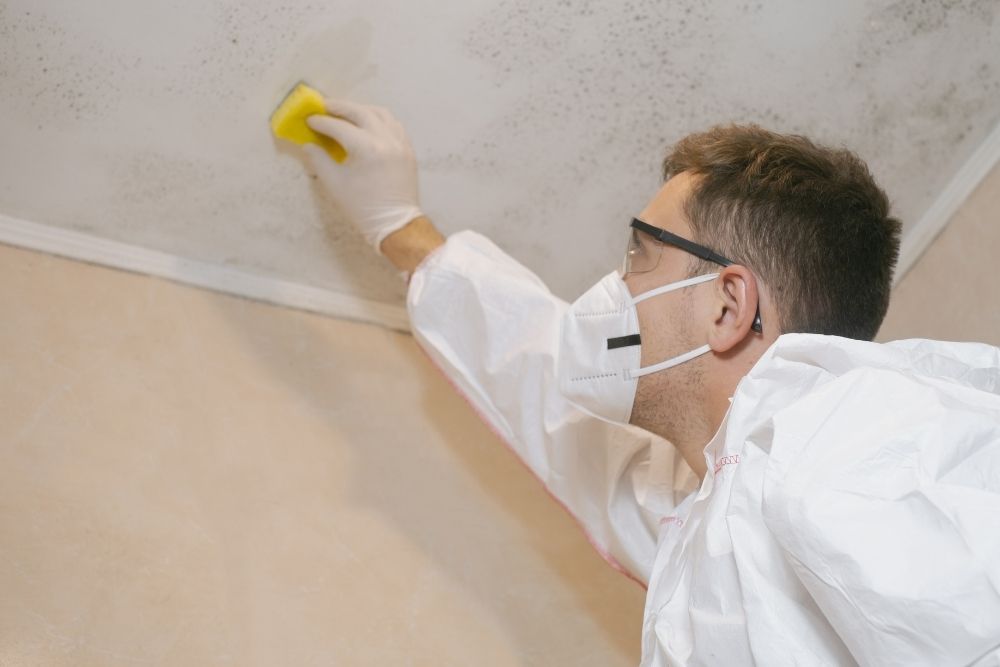
Mold can spread quickly through hidden areas of a property, making professional cleanup extremely important. Surface cleaning alone may not fully eliminate contamination, especially when mold spreads behind walls, under flooring, or inside ventilation systems.
Professional mold remediation companies use specialized equipment to contain affected areas and remove contaminated materials safely. Air scrubbers, moisture meters, and dehumidifiers help restore healthy indoor conditions while preventing mold spores from spreading throughout the property.
Insurance companies may also require professional documentation before approving large claims. Restoration specialists often provide detailed reports explaining moisture levels, contamination severity, and recommended repairs. These records can support homeowners during the claims process.
Ignoring mold problems can create larger structural issues over time. Wood framing, drywall, insulation, and flooring may require replacement if contamination becomes severe. In addition, mold can negatively affect indoor air quality and create unpleasant odors inside the home.
Tips for Preventing Mold Problems
Preventing mold growth is one of the best ways to avoid expensive repairs and insurance disputes. Moisture control remains the most effective strategy for protecting homes from mold damage.
Homeowners should regularly inspect plumbing fixtures, roofs, windows, and appliances for leaks. Even small drips can create enough moisture for mold growth if left untreated. Areas prone to humidity, such as bathrooms and basements, should have proper ventilation systems and exhaust fans.
Using dehumidifiers can help maintain healthy indoor humidity levels, especially in damp spaces. After storms or water leaks, wet materials should be dried immediately to prevent mold from developing. Carpets, drywall, and insulation that remain wet too long may need replacement.
Routine maintenance also plays a major role in mold prevention. Cleaning gutters, repairing roof damage, and sealing cracks around windows can reduce the risk of water intrusion. Insurance companies are more likely to deny claims when maintenance problems are ignored over time.
Conclusion
Whether mold is covered by insurance largely depends on what caused the damage. Sudden and accidental events like burst pipes or appliance failures may qualify for coverage, while mold caused by long-term neglect or poor maintenance is usually excluded. Understanding your insurance policy, responding quickly to water damage, and maintaining your property are essential steps for protecting your home and avoiding costly repairs. Mold can spread rapidly and create serious structural and indoor air quality issues if left untreated. Professional restoration services can help identify the source of moisture, remove contamination safely, and restore damaged areas effectively. If you need reliable help with mold damage or water restoration services, contact JGW Group Water Damage Restoration in Las Vegas at 725-525-3122 for professional assistance and fast response.