Mold growth inside a home or business is more than just an unpleasant sight. It can damage walls, ceilings, flooring, and even affect indoor air quality. Understanding the mold remediation process is important because mold spreads quickly in damp environments and can create serious structural and health concerns if ignored. Whether mold develops after water damage, leaks, or high humidity, proper removal requires more than simple cleaning.
A professional mold remediation process focuses on identifying the source of moisture, containing contaminated areas, safely removing mold, and preventing future growth. Property owners who understand how the process works are better prepared to protect their homes and families. This guide explains every major step involved in mold remediation, from inspection to final restoration, so you know what to expect when dealing with a mold problem.
Understanding What Mold Remediation Means
Many people confuse mold remediation with basic mold removal, but the two are different. Mold removal focuses only on cleaning visible mold, while remediation addresses the source of the problem and prevents it from returning. The goal is to restore indoor spaces to safe and healthy conditions.
Professional remediation teams follow industry-approved procedures to safely handle contaminated materials. Mold spores can easily spread through the air during cleaning, which is why trained technicians use specialized equipment and containment methods. Without proper handling, mold can move into unaffected areas of the property.
The process also includes moisture control. Mold thrives in damp conditions, so fixing leaks, improving ventilation, and drying affected materials are essential parts of remediation. If moisture problems are ignored, mold often returns even after cleaning.
Another important aspect of remediation is protecting occupants. Certain types of mold may trigger allergies, respiratory irritation, and unpleasant odors. Professional remediation helps improve indoor air quality and reduces the risk of future contamination.
Initial Mold Inspection and Assessment
The first step in any remediation project is a detailed inspection. Professionals examine the property to determine the size of the mold problem and identify the source of moisture causing the growth. This assessment helps create an effective remediation plan.
Inspectors often check areas where moisture commonly develops, including bathrooms, kitchens, basements, attics, and behind walls. Water stains, musty odors, and visible discoloration are common signs of hidden mold growth. In some cases, specialized moisture meters and infrared cameras are used to locate damp areas not visible to the eye.
Air quality testing may also be performed if mold contamination is suspected throughout the property. Sampling can help determine the concentration of mold spores indoors and identify the type of mold present. This information guides the cleanup process and helps technicians determine the level of containment required.
Containing the Affected Area
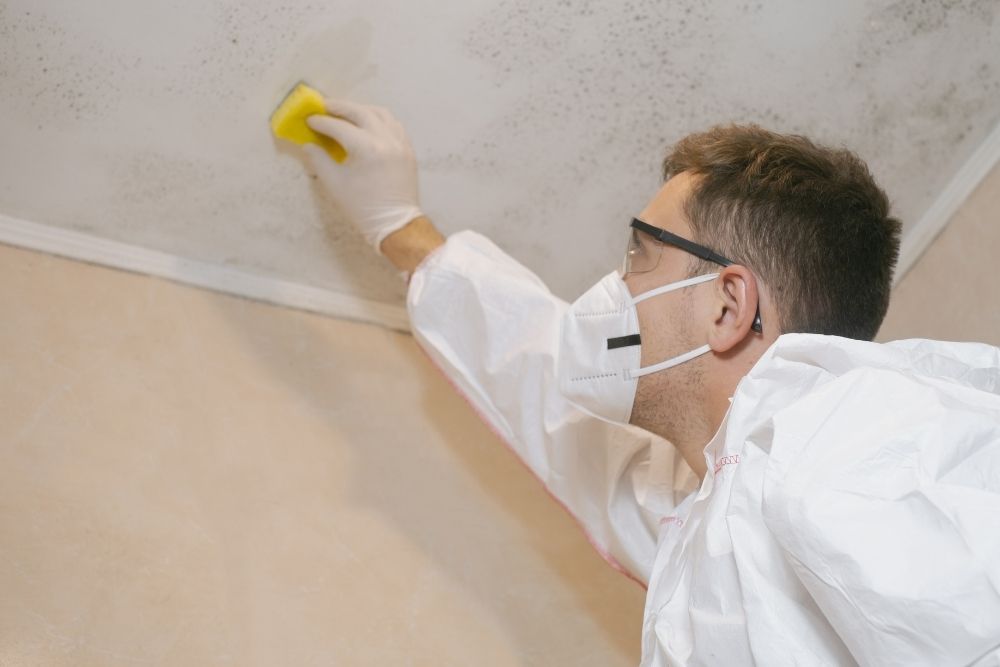
Containment is one of the most important steps in the mold remediation process. Since mold spores can become airborne during cleanup, professionals isolate contaminated areas to prevent spores from spreading to other parts of the property.
Technicians typically use plastic sheeting and physical barriers to seal off affected rooms. Negative air pressure systems are also commonly installed to control airflow and keep mold spores from escaping the containment zone. High-efficiency particulate air (HEPA) filtration systems help capture airborne contaminants during the process.
The level of containment depends on the size and severity of the mold problem. Small areas may require minimal barriers, while larger contamination often demands full isolation with specialized equipment. Protective gear such as gloves, goggles, and respirators is also used to protect remediation workers.
Proper containment protects unaffected areas and improves the effectiveness of the cleanup process. Without it, mold spores can travel through HVAC systems and settle in other rooms, creating additional contamination.
Removing Mold-Contaminated Materials
Once containment is established, technicians begin removing contaminated materials. Some materials can be cleaned and restored, while others must be discarded if mold damage is severe. Porous materials such as drywall, insulation, carpeting, and ceiling tiles are often difficult to salvage because mold penetrates deep into their surfaces.
Non-porous materials like metal, glass, and certain plastics can usually be cleaned and disinfected successfully. Technicians use specialized cleaning solutions and HEPA vacuums to remove mold spores safely. Careful handling is essential to avoid spreading contamination during removal.
The amount of material removed depends on the extent of the damage. In some cases, only a small section of drywall needs replacement. Larger infestations may require extensive demolition and reconstruction work.
Cleaning and Air Filtration Procedures
After contaminated materials are removed, the cleaning stage begins. This step focuses on eliminating remaining mold spores from surfaces and improving indoor air quality. Professional remediation teams use advanced equipment designed specifically for mold cleanup.
HEPA vacuums are commonly used to capture microscopic mold particles from floors, walls, and furniture. Antimicrobial treatments may also be applied to disinfect surfaces and help prevent future growth. Depending on the severity of contamination, fogging equipment or air scrubbers may be used to purify indoor air further.
Cleaning extends beyond visible mold. Even if surfaces appear clean, airborne spores can remain inside the property. Thorough filtration helps remove these hidden contaminants and reduces lingering odors caused by mold growth. HVAC systems may also need cleaning if spores have spread through ventilation ducts.
Drying and Moisture Control
Moisture control is the foundation of successful remediation. Mold cannot survive without moisture, which is why drying affected areas completely is critical. If dampness remains after cleanup, mold can quickly return and create another infestation.
Technicians use industrial dehumidifiers and air movers to dry walls, flooring, and structural materials. Moisture readings are monitored throughout the process to ensure materials reach safe drying levels. This step may take several days depending on the extent of water damage.
Finding and repairing the moisture source is equally important. Common causes include leaking pipes, roof damage, poor drainage, and high indoor humidity. Remediation professionals often recommend repairs or improvements to prevent recurring moisture issues.
Ventilation also plays a major role in preventing mold growth. Bathrooms, kitchens, and laundry rooms should have proper airflow to reduce humidity buildup.
Restoring the Damaged Property
Once cleaning and drying are complete, restoration begins. This phase focuses on repairing and rebuilding damaged areas so the property can return to normal condition. The extent of restoration depends on how much material was removed during remediation.
Minor restoration may involve replacing drywall, repainting walls, or installing new carpeting. More severe mold damage may require larger reconstruction projects involving flooring, insulation, cabinets, or structural components. Restoration professionals work to match repaired areas with the original appearance of the property.
In addition to cosmetic repairs, restoration ensures the property remains safe and structurally sound. Damaged materials weakened by moisture or mold must be replaced properly to prevent future issues. Restoring the property also improves comfort and helps eliminate lingering odors associated with mold contamination.
A complete restoration process not only improves appearance but also provides peace of mind. Property owners can feel confident knowing the mold issue has been fully addressed and the affected area has been professionally repaired.
Preventing Mold from Returning
Preventing future mold growth is just as important as removing existing contamination. Even after successful remediation, mold can return if moisture issues are not addressed properly. Long-term prevention requires consistent maintenance and environmental control.
One of the most effective prevention methods is controlling indoor humidity. Experts generally recommend maintaining humidity levels below 60 percent. Using dehumidifiers, improving ventilation, and repairing leaks quickly can significantly reduce mold risks.
Routine inspections also help identify early warning signs before major contamination develops. Homeowners should regularly check basements, bathrooms, attics, and other moisture-prone areas for water stains or musty odors.
Why Professional Mold Remediation Matters
Some homeowners attempt to handle mold problems themselves, but professional remediation offers important advantages. Mold contamination often extends beyond visible surfaces, making it difficult to remove completely without proper equipment and training.
Professionals follow industry safety standards designed to minimize exposure and prevent cross-contamination. They also understand how to identify hidden moisture problems that may otherwise go unnoticed. This comprehensive approach helps ensure the issue is resolved properly the first time.
Large mold infestations can also create health concerns for occupants. Individuals with allergies, asthma, or respiratory conditions may be especially sensitive to mold exposure.
Conclusion
The mold remediation process involves much more than simply cleaning visible mold. From inspection and containment to removal, drying, and restoration, every step plays a critical role in creating a safe and healthy indoor environment. Addressing moisture issues, using proper cleaning methods, and preventing future growth are essential for long-term results.
If you are dealing with mold damage in your home or business, professional assistance can make the process safer and more effective. The experienced team at JGW Group Water Damage Restoration proudly serves property owners throughout Las Vegas with reliable remediation and restoration services. For expert help with mold concerns, contact JGW Group Water Damage Restoration today at 725-525-3122 and take the first step toward restoring your property and protecting your indoor air quality.