

Many homeowners confuse mold and mildew because both grow in damp environments and can damage indoor spaces. Understanding the difference between the two is important when deciding whether basic cleaning is enough or if professional mold remediation is necessary. While mildew is usually a surface-level problem, mold can spread deeper into walls, flooring, and ceilings, leading to expensive repairs and health concerns.
Moisture from leaks, flooding, poor ventilation, or humidity creates the perfect environment for fungal growth. If left untreated, mold and mildew can lower indoor air quality and trigger allergy symptoms. Learning how to identify each one can help homeowners respond quickly and prevent larger problems. Knowing the warning signs, health risks, and prevention methods can also protect both your property and your family’s well-being over time.
What Is Mildew?
Mildew is a type of fungus that grows on moist surfaces. It usually appears as a thin, powdery layer that may look white, gray, or slightly yellow. Mildew commonly develops in bathrooms, kitchens, laundry rooms, and around windows where moisture builds up regularly.
Unlike mold, mildew typically stays on the surface of materials instead of spreading deeply into them. It often forms on shower walls, tiles, fabrics, or windowsills exposed to constant humidity. Because of this, mildew is generally easier to remove using household cleaners and proper ventilation.
Although mildew is considered less dangerous than mold, it can still create unpleasant odors and cause mild respiratory irritation. Individuals with allergies or asthma may notice sneezing, coughing, or throat irritation when exposed to mildew for long periods.
Regular cleaning and moisture control are the best ways to prevent mildew growth. Keeping bathrooms ventilated, repairing leaks quickly, and drying damp surfaces can help stop mildew before it spreads further.
What Is Mold?
Mold is a more serious fungal problem that can grow on both surfaces and inside porous materials. It often appears black, green, brown, or dark gray and may have a fuzzy or slimy texture. Mold thrives in damp areas affected by leaks, flooding, or excessive humidity.
Unlike mildew, mold can penetrate drywall, wood, insulation, and carpeting. Once moisture is present, mold spores may begin growing within one or two days. This fast growth makes early detection extremely important after water damage incidents.
Mold exposure can lead to significant health concerns, especially for individuals with allergies, asthma, or weakened immune systems. Common symptoms include congestion, coughing, headaches, eye irritation, and breathing difficulties. Some molds may also produce toxins that worsen indoor air quality.
Because mold spreads easily through airborne spores, surface cleaning alone may not solve the issue. Professional mold remediation is often required to safely remove contaminated materials and prevent future growth.
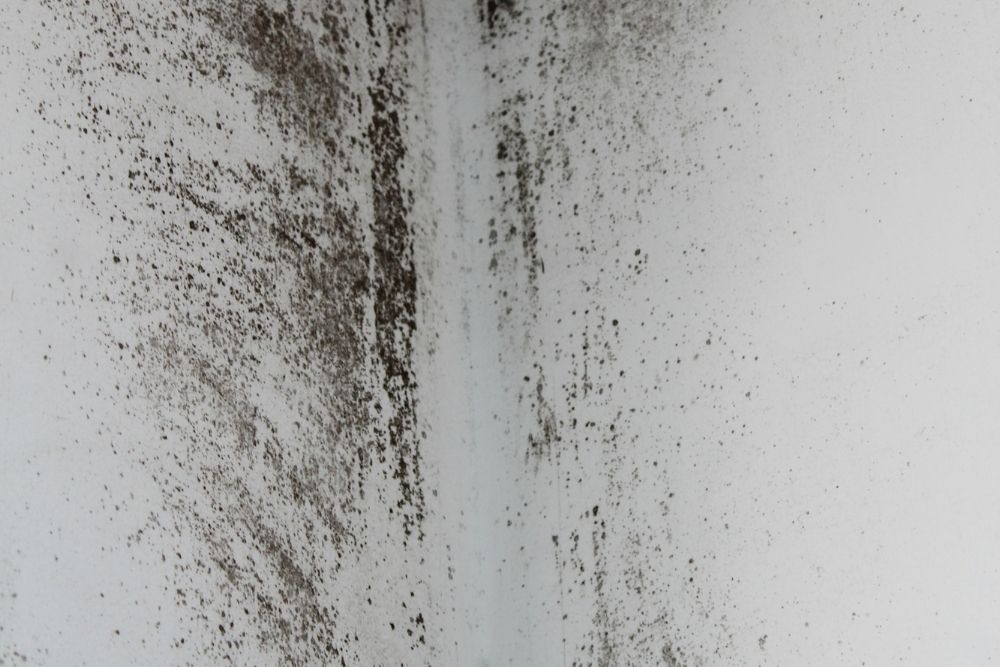
Key Differences Between Mold and Mildew
Although mold and mildew are both fungi, they differ in appearance, growth patterns, and health risks. Mildew is usually lighter in color and appears flat or powdery on surfaces. Mold tends to look darker, thicker, and more textured.
Mildew mainly grows on surface areas exposed to moisture. Mold, however, can spread beneath walls, flooring, and insulation where moisture remains trapped. This deeper growth makes mold much harder to remove completely.
Health concerns are another major difference. Mildew can irritate allergies, but mold exposure often causes stronger respiratory symptoms and indoor air quality problems. Mold spores can travel through ventilation systems and spread throughout a property quickly.
Damage potential also varies significantly. Mildew typically affects only the surface appearance of materials, while mold can weaken structural components over time. Severe mold infestations may require removal of drywall, carpeting, or wood framing to fully eliminate contamination.
Recognizing these differences can help homeowners determine when a simple cleaning solution is enough and when professional restoration services are necessary.
Common Causes of Mold and Mildew Growth
Moisture is the primary cause of both mold and mildew growth. Water leaks from plumbing, roofs, or appliances often create hidden damp areas where fungi thrive. Flooding incidents and water damage can also trigger rapid mold development.
Humidity plays a major role as well. Homes with poor ventilation may trap moisture indoors, especially in bathrooms, kitchens, basements, and laundry rooms. Warm temperatures combined with humidity create ideal growing conditions for fungal spores.
Condensation around windows, pipes, and HVAC systems can also encourage mold and mildew growth. Even small amounts of trapped moisture over time may lead to contamination behind walls or under flooring.
Poor maintenance can increase the risk further. Ignoring leaks, failing to clean damp surfaces, or delaying repairs allows moisture problems to worsen gradually. Mold and mildew often spread unnoticed until visible stains or musty odors appear.
Preventing moisture buildup is the most effective way to avoid fungal growth. Regular inspections, proper ventilation, and immediate water cleanup can significantly reduce the risk of mold-related property damage.
Health Risks Linked to Mold and Mildew
Exposure to mold and mildew may affect indoor air quality and trigger health issues. Common symptoms include sneezing, coughing, congestion, itchy eyes, headaches, and skin irritation. People with allergies or asthma are often more sensitive to fungal exposure.
Mold usually presents greater health risks than mildew because its spores spread more aggressively through the air. Prolonged exposure may worsen respiratory conditions and create ongoing discomfort inside the home.
Children, older adults, and individuals with weakened immune systems may experience stronger reactions. In some cases, toxic mold exposure may contribute to chronic respiratory infections or breathing difficulties.
Mildew exposure is typically milder but can still create unpleasant odors and allergy symptoms. Persistent mildew growth may also indicate excessive moisture levels that could eventually support larger mold infestations.
Maintaining clean, dry indoor spaces is important for protecting overall health. Addressing moisture problems quickly can improve air quality and reduce the likelihood of long-term exposure to harmful fungal spores.
How to Remove Mildew Safely
Small mildew problems can often be cleaned without professional assistance. Household cleaners, vinegar solutions, or mild disinfectants are commonly used to remove mildew from non-porous surfaces such as tile, glass, or metal.
Before cleaning, it is important to improve ventilation and wear protective gloves. Proper airflow helps reduce airborne particles and prevents moisture from lingering during the cleaning process.
Removing mildew successfully also requires fixing the moisture source. If leaks or humidity problems remain untreated, mildew is likely to return quickly. Dehumidifiers and exhaust fans can help maintain lower indoor humidity levels.
Fabrics, curtains, and rugs affected by mildew should be washed and dried thoroughly. In some cases, materials with persistent odors may need replacement if contamination becomes severe.
When Mold Requires Professional Help
Professional help is often necessary when mold spreads beyond a small visible area. Large infestations can hide behind walls, under flooring, or inside ventilation systems where ordinary cleaning cannot reach.
Professional mold remediation specialists use containment barriers, air filtration systems, and protective equipment to remove mold safely. They also identify the source of moisture to prevent recurring contamination.
Signs that professional services may be needed include strong musty odors, recurring mold growth, water damage history, or visible discoloration across multiple rooms. Mold following flooding or sewage backups should always be professionally assessed.
Attempting to remove large mold infestations without proper equipment may release spores into the air and worsen contamination. Professionals follow industry safety standards to reduce health risks during cleanup.
Timely remediation can prevent structural damage and restore healthier indoor air quality. Addressing mold early often reduces repair costs and limits the spread of contamination throughout the property.
Preventing Mold and Mildew in Your Home
Preventing mold and mildew starts with controlling indoor moisture levels. Keeping humidity below 50 percent can significantly reduce fungal growth. Dehumidifiers are especially useful in damp basements and humid climates.
Proper ventilation is equally important. Bathrooms, kitchens, and laundry rooms should have working exhaust fans to remove excess moisture. Opening windows occasionally may also improve airflow indoors.
Leaks should always be repaired immediately. Roof damage, plumbing issues, and appliance leaks can create hidden moisture that encourages mold growth behind walls and ceilings. Quick repairs help minimize long-term damage.
Routine inspections can help homeowners spot warning signs early. Checking under sinks, around windows, and inside crawl spaces may reveal moisture buildup before mold becomes widespread.
Conclusion
Understanding the differences between mold and mildew can help homeowners protect their property and health more effectively. Mildew is usually a surface problem that can often be cleaned easily, while mold spreads deeper into materials and may require professional removal. Both issues are linked to excess moisture, making prevention and early action extremely important.
If you notice persistent mold growth, musty odors, or water damage inside your property, professional assistance may be necessary. JGW Group Water Damage Restoration proudly serves Las Vegas with reliable mold cleanup and restoration services. Their experienced team can identify moisture problems, remove contamination safely, and restore healthier indoor conditions. For expert help with mold concerns, call 725-525-3122 today and protect your home from further damage.