

Mold growth is a serious issue that many homeowners fail to recognize until the damage becomes extensive. Moisture problems caused by leaks, flooding, humidity, or poor ventilation can create the perfect conditions for mold to spread quickly throughout a property. Understanding the warning signs early can help protect your home, improve indoor air quality, and reduce costly repairs. Professional mold remediation services are often necessary when mold growth becomes widespread or hidden behind surfaces.
Mold does not always appear immediately. In many cases, it develops quietly behind walls, under flooring, or inside ceilings while continuing to spread over time. Ignoring early warning signs may lead to structural damage and unpleasant living conditions. Learning how to identify mold-related problems can help homeowners respond faster and prevent long-term issues. This guide explains the most common signs of mold in your home and why taking action quickly is important.
Persistent Musty Odors
One of the most common signs of mold in a home is a persistent musty odor. Many people describe the smell as damp, earthy, or similar to wet paper or rotting wood. Even when mold is hidden behind walls or beneath flooring, the odor can spread throughout the affected room and become difficult to ignore.
Musty smells often develop in basements, bathrooms, laundry rooms, and crawl spaces where moisture levels remain high. Poor ventilation and water leaks create the ideal conditions for mold spores to grow and multiply. If the smell continues returning after cleaning or airing out the room, there may be hidden mold somewhere inside the property.
Homeowners should never ignore strong damp odors because they usually indicate an underlying moisture issue. The longer the problem remains untreated, the greater the chance mold will spread into surrounding materials.
Visible Mold Spots on Walls and Ceilings
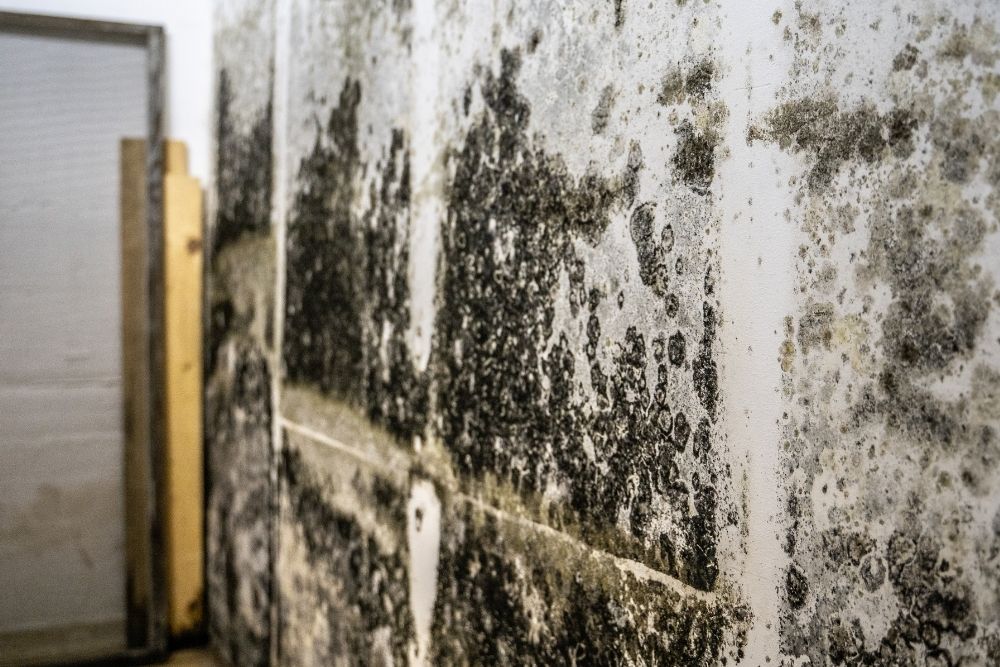
Visible discoloration on walls and ceilings is another clear indication that mold may be growing inside the home. Mold can appear black, green, gray, brown, or white depending on the material and environmental conditions. Small spots often begin in corners, near vents, or around areas exposed to water damage.
Many homeowners mistake mold for dirt or simple staining. However, mold growth usually spreads over time and may appear fuzzy or uneven. Ceilings affected by roof leaks and walls exposed to plumbing issues are especially vulnerable to contamination. Bathrooms and kitchens are also common locations because moisture frequently accumulates there.
Cleaning visible spots without addressing the source of moisture may only provide temporary results. Proper mold remediation involves identifying the cause of the growth and preventing it from returning.
Water Damage and Staining
Water stains on ceilings, walls, or flooring often indicate hidden moisture problems that can lead to mold growth. Yellow, brown, or dark discoloration usually develops after roof leaks, plumbing failures, or flooding incidents. Even when surfaces appear dry, moisture may still remain trapped inside the materials.
Mold can begin growing within one or two days after water exposure if the area is not properly dried. Damp drywall, insulation, wood, and carpeting provide the perfect environment for mold colonies to spread rapidly. Homeowners sometimes repaint or cover stains without fixing the actual moisture source, allowing the problem to continue behind the surface.
Routine inspections of areas vulnerable to leaks can help prevent major mold problems. Water damage should always be addressed quickly to reduce the risk of contamination. Fast drying and repairs are essential for protecting the structure of the home.
Allergy Symptoms That Worsen Indoors
Mold spores can affect indoor air quality and trigger allergy-like symptoms in many individuals. Sneezing, coughing, itchy eyes, sinus congestion, headaches, and throat irritation may become more noticeable while spending time inside the home. Symptoms often improve after leaving the property for several hours.
People with asthma or respiratory conditions are especially sensitive to mold exposure. Children and older adults may also experience stronger reactions to poor indoor air quality. Even if mold is hidden behind walls or under flooring, airborne spores can circulate through the house and affect occupants daily.
If multiple family members experience unexplained allergy symptoms indoors, mold should be considered as a possible cause. Professional testing and inspections may help locate hidden contamination and determine the severity of the problem.
Peeling Paint or Wallpaper
Peeling paint and bubbling wallpaper may seem like cosmetic issues, but they often indicate excess moisture inside the walls. Mold thrives in damp environments, and trapped moisture behind paint or wallpaper creates ideal conditions for growth.
Wallpaper adhesive weakens when exposed to continuous humidity, causing edges to separate from the wall. Paint may crack, blister, or peel away due to moisture buildup underneath the surface. These warning signs are especially common in bathrooms, kitchens, and laundry rooms with limited airflow.
When peeling surfaces are combined with musty odors or discoloration, hidden mold may already be developing inside the wall cavity. Simply repainting the area will not solve the issue if moisture remains trapped.
Condensation on Windows and Pipes
Frequent condensation inside the home is another sign that moisture levels may be too high. Water droplets forming on windows, pipes, or glass surfaces indicate excess humidity, which can encourage mold growth over time.
Condensation often appears in homes with poor ventilation or inadequate airflow. Bathrooms without exhaust fans and basements with limited air circulation are especially vulnerable. Moisture buildup near windowsills and pipes can lead to mold growth on nearby walls, trim, or insulation.
Using dehumidifiers and improving ventilation can help reduce indoor moisture levels. However, if mold has already developed around these areas, professional cleanup may be required.
Warped Floors and Damaged Walls
Warped flooring and soft walls can signal hidden water damage that may support mold growth. Wood flooring may buckle or swell after being exposed to moisture for an extended period. Drywall may feel soft, weak, or uneven when water becomes trapped behind the surface.
Plumbing leaks beneath sinks, appliances, or inside walls are common causes of hidden moisture damage. Homeowners may notice uneven floors, cracked tiles, or doors that no longer close properly due to structural changes caused by water exposure.
Ignoring warped surfaces can lead to more severe structural damage over time. Mold often spreads beneath flooring materials and behind walls where it remains hidden for long periods.
Mold Around HVAC Systems
Heating and cooling systems can also become a source of mold growth when moisture accumulates inside ducts or vents. Air conditioners naturally create condensation, and clogged drain lines can allow water to collect inside the system.
Homeowners may notice musty odors whenever the HVAC system runs. Dust buildup around vents and worsening indoor allergy symptoms may also indicate mold contamination inside the ductwork. Once spores enter the ventilation system, they can spread throughout multiple rooms in the home.
Regular HVAC maintenance is important for reducing moisture buildup and improving indoor air quality. Air filters should be replaced routinely, and systems should be inspected if unusual odors persist.
Bathroom Mold That Keeps Returning
Bathrooms are one of the most common areas for mold growth because they experience constant moisture and humidity. Mold frequently develops around showers, bathtubs, sinks, grout lines, and ceilings where steam accumulates daily.
Many homeowners clean visible mold only to see it return repeatedly. Recurring growth usually indicates deeper moisture problems or inadequate ventilation. Exhaust fans that do not function properly can allow humidity to remain trapped inside the room long after showers are finished.
Keeping bathroom surfaces dry and improving airflow can help reduce mold risks. However, persistent growth behind tiles or under sinks may require professional inspection and removal.
When to Contact a Mold Remediation Professional
Some mold problems are too extensive for household cleaners or basic maintenance methods. Large contaminated areas, recurring mold growth, and hidden moisture damage often require professional assistance. Experts use specialized equipment to detect moisture, contain contamination, and safely remove affected materials.
Improper cleaning can disturb mold spores and spread them into other areas of the home. Professional remediation teams follow industry procedures to prevent cross-contamination while restoring the affected space. They also identify the source of the moisture problem to reduce the risk of future growth.
Scheduling professional inspections early can prevent more expensive repairs later. Timely mold remediation protects your home’s structure, improves indoor air quality, and creates a safer environment for your family.
Conclusion
Recognizing the signs of mold in your home can help prevent major structural damage and unhealthy indoor conditions. Musty odors, visible mold spots, water stains, peeling paint, condensation, and recurring moisture issues are all warning signs that should never be ignored. Taking action early can reduce repair costs and prevent mold from spreading throughout the property.
Professional inspections and proper mold remediation services are often necessary when contamination becomes widespread or hidden behind surfaces. If you suspect mold growth in your property, JGW Group Water Damage Restoration provides trusted restoration services in Las Vegas. Their experienced professionals can identify moisture problems, remove mold safely, and restore healthier living conditions. For immediate assistance, contact them today at 725-525-3122.