Sewer line problems are one of the most serious plumbing issues a property owner can face. Ignoring the warning signs can lead to costly repairs, foul odors, water contamination, and major structural damage. In many cases, homeowners first notice the need for sewage cleanup when backups or leaks begin affecting sinks, drains, or flooring inside the home. Understanding the early signs of sewer line damage can help prevent a minor issue from turning into a major disaster.
Sewer lines are responsible for carrying wastewater safely away from your property. When these pipes crack, clog, collapse, or shift, the entire plumbing system can be affected. From slow drains to unexpected wet spots in your yard, the warning signs are often easy to overlook until the damage becomes severe. This guide explains the most common signs of sewer line damage and why fast action matters for protecting your home and health.
Frequent Drain Clogs Throughout the Home
One of the earliest signs of sewer line damage is repeated drain clogs in different parts of the property. While a single clogged sink or toilet may seem normal, multiple drains backing up at the same time often points to a deeper issue in the main sewer line. Water may drain slowly, bubble, or stop flowing entirely.
When the main sewer line becomes blocked by debris, grease, tree roots, or pipe collapse, wastewater struggles to move properly through the system. This pressure can force water back into tubs, sinks, and toilets. Homeowners may notice that flushing a toilet affects nearby drains or causes gurgling sounds.
Ignoring recurring clogs can eventually lead to backups and the need for professional sewage cleanup services. Addressing the issue early can help reduce repair costs and minimize damage to flooring, walls, and plumbing fixtures.
Unpleasant Sewer Odors Indoors or Outdoors
A healthy plumbing system should never produce strong sewer smells inside or outside your property. Persistent foul odors often indicate cracks, leaks, or blockages within the sewer line. These smells are caused by sewer gases escaping through damaged pipes or backed-up drains.
You may first notice the odor near sinks, floor drains, bathrooms, or outside around the yard. In some cases, the smell becomes stronger after using water appliances like washing machines or dishwashers. Sewer odors should never be ignored because they may expose occupants to harmful bacteria and gases.
Damaged sewer lines can worsen quickly if left untreated. Cracks in underground pipes may allow wastewater to leak into surrounding soil while also letting gases enter the home. Fast inspection and repair are essential to restore sanitation and prevent additional complications.
Slow Draining Water in Multiple Fixtures
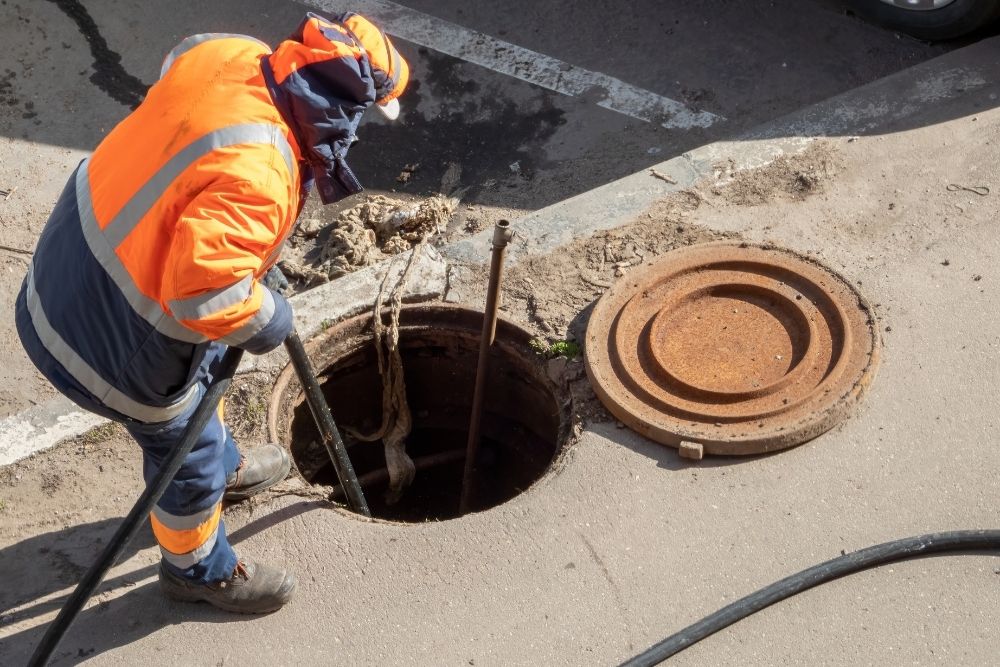
Slow drains are another common warning sign of sewer line damage. Water may take longer than usual to leave sinks, tubs, or showers, especially when several fixtures are used at once. While small clogs can occur in individual drains, widespread slow drainage often signals a blockage in the main sewer system.
As buildup increases inside the sewer pipe, wastewater has less space to move freely. Grease, debris, paper products, and invasive tree roots can gradually restrict water flow. Over time, this creates pressure throughout the plumbing system.
Many homeowners attempt temporary fixes with store-bought drain cleaners, but these products rarely solve serious sewer line problems. In some cases, harsh chemicals may even damage older pipes further. Professional inspections can identify the source of the blockage and determine the best repair method before severe backups occur.
Gurgling Sounds Coming From Pipes
Strange noises from plumbing fixtures are another sign that something may be wrong with your sewer line. Gurgling or bubbling sounds usually occur when trapped air struggles to move through blocked or damaged pipes. These noises are commonly heard after flushing toilets or draining sinks.
When sewer lines function correctly, wastewater and air move smoothly through the plumbing system. However, blockages create uneven pressure that forces air pockets upward through drains. This often results in bubbling water or unusual sounds inside pipes.
Gurgling may seem minor at first, but it can indicate serious underground issues. If ignored, the blockage may eventually lead to sewage backups and flooding. Early detection allows homeowners to repair damaged sections before expensive restoration work becomes necessary.
Wet Spots or Sinkholes in the Yard
Outdoor warning signs can also reveal sewer line damage. Unexpected wet patches, muddy areas, or sinkholes in the yard may indicate leaking underground pipes. Sewer water escaping into the soil can saturate the ground and weaken surrounding areas.
In some cases, homeowners notice patches of grass growing faster or appearing greener than the rest of the lawn. While this may seem harmless, it often happens because leaking sewage acts as fertilizer for vegetation. The moisture and nutrients from wastewater encourage rapid plant growth.
Leaking sewer lines can damage landscaping, foundations, and nearby structures over time. They can also contaminate soil and create serious sanitation concerns. Professional inspections using cameras or leak detection equipment can identify underground pipe damage before it spreads further.
Pest and Rodent Problems Around the Property
An increase in pests or rodents can sometimes point to sewer line damage. Rats, insects, and other pests are attracted to leaking sewage and damp environments. Cracked sewer pipes may provide easy access points for rodents to enter homes and buildings.
Sewer leaks create ideal conditions for infestations because they provide both moisture and food sources. Homeowners may notice more insects around drains, basements, or crawl spaces. Rodents may also appear more frequently near plumbing areas.
Besides being unpleasant, pest problems can create additional health and safety risks. Rodents and insects often carry bacteria and disease that spread quickly through contaminated environments. Repairing sewer line issues promptly helps eliminate the source of attraction and reduces the likelihood of recurring infestations.
Foundation Cracks and Structural Damage
Severe sewer line leaks can eventually affect a property’s foundation. When underground pipes leak continuously, water saturates the surrounding soil. This can cause the ground to shift, settle unevenly, or weaken beneath the structure.
Over time, homeowners may notice cracks forming in walls, flooring, or the foundation itself. Doors and windows may become difficult to open due to shifting structural support. These warning signs should never be ignored because foundation repairs can become extremely expensive.
Water damage caused by sewer leaks often spreads slowly, making it difficult to detect immediately. Professional inspections can identify hidden moisture problems before structural damage worsens. Addressing sewer line issues early protects both the plumbing system and the long-term stability of the property.
Sewage Backups Inside the Home
One of the clearest and most serious signs of sewer line damage is sewage backing up into the home. Toilets, tubs, showers, or floor drains may overflow with dirty water containing waste and harmful contaminants. This situation requires immediate professional attention.
Sewage backups can occur when severe blockages or pipe collapses prevent wastewater from leaving the property. As pressure builds, sewage reverses direction and flows back indoors. This creates major sanitation hazards and often requires emergency sewage cleanup to safely remove contaminated materials.
Exposure to sewage can pose serious health risks due to bacteria, mold, and toxic substances. Fast response is critical to prevent further contamination and structural damage. Professional cleanup and restoration services help sanitize affected areas and restore safe living conditions.
Conclusion
Recognizing the signs of sewer line damage early can help homeowners avoid major repairs, health hazards, and costly property damage. Frequent clogs, slow drains, sewer odors, wet yard spots, and sewage backups should never be ignored. Acting quickly can prevent severe plumbing failures and reduce the need for extensive sewage cleanup and restoration services.
If you suspect sewer line damage in your property, professional inspection and repair are essential. JGW Group Water Damage Restoration proudly serves homeowners and businesses in Las Vegas with reliable restoration and cleanup services. For fast assistance with sewer-related damage, contact JGW Group Water Damage Restoration today at 725-525-3122.