Storms can strike without warning, leaving homes and businesses with severe structural and water-related damage. Filing storm damage insurance claims is often the first step property owners take after experiencing roof leaks, flooding, broken windows, or structural issues. Understanding how the claims process works is essential for getting the compensation needed to restore your property quickly and properly.
When dealing with storm-related destruction, many homeowners also require professional storm damage restoration services to prevent further issues such as mold growth, weakened foundations, and electrical hazards. Insurance claims can feel overwhelming, especially during stressful situations, but knowing what to expect can make the process easier. This guide explains the key steps involved in storm damage insurance claims, common mistakes to avoid, and how restoration professionals can help homeowners recover faster after severe weather events.
Understanding Storm Damage Insurance Claims
Storm damage insurance claims are requests submitted to insurance companies after a property has been damaged by severe weather. These claims may involve destruction caused by heavy rain, wind, hail, lightning, flooding, or fallen trees. Homeowners insurance policies typically cover many forms of storm-related damage, although coverage depends on the policy details and exclusions.
After a storm, property owners should inspect their homes carefully and document all visible damage immediately. Insurance companies usually require evidence such as photographs, videos, repair estimates, and written reports. Acting quickly is important because delays may complicate the claims process or worsen existing damage.
Many homeowners underestimate the importance of professional inspections. Damage that appears minor can hide serious structural problems behind walls or under roofing materials. Working with a restoration company ensures that all damage is identified before filing the claim. Professional documentation also strengthens the claim and helps property owners receive fair compensation for repairs.
Common Types of Storm Damage Covered by Insurance
Insurance providers generally cover several categories of storm-related damage. Wind damage is among the most common, often affecting roofs, siding, fences, and windows. Strong winds can tear shingles away and expose the interior of the home to water intrusion.
Hailstorms are another major cause of insurance claims. Hail can crack roofing materials, dent gutters, damage HVAC systems, and weaken structural components over time. Water damage from storms may also occur when roofs leak or floodwaters enter the property. In many cases, homeowners seek storm damage restoration services immediately to prevent further deterioration.
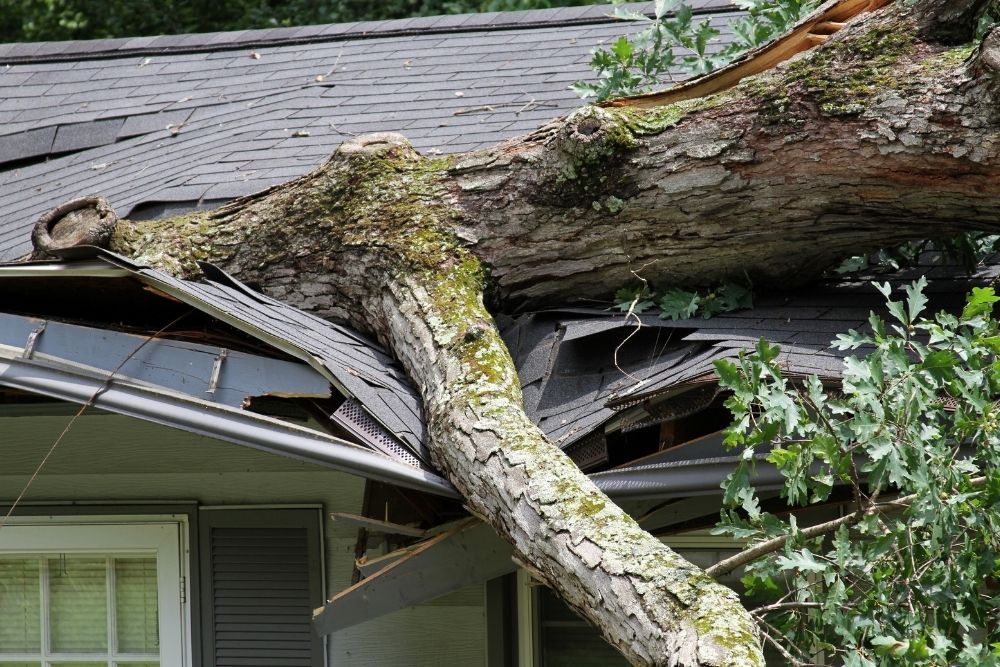
Lightning strikes can also lead to covered losses. These incidents may cause fires, electrical system damage, or appliance failures. Fallen trees caused by storms are typically covered if they damage insured structures. However, every insurance policy differs, so homeowners should review their policy terms carefully to understand limitations and exclusions before a disaster occurs.
The Importance of Documenting Storm Damage
Proper documentation plays a major role in successful insurance claims. Insurance adjusters rely on evidence to determine the extent of damage and the value of compensation. Without detailed documentation, homeowners may struggle to prove the severity of their losses.
After ensuring the property is safe, homeowners should take clear photographs and videos of all damaged areas. This includes roofing, ceilings, walls, flooring, furniture, and exterior structures. It is also helpful to create a written inventory of damaged belongings along with estimated replacement values.
Professional restoration companies often assist with documentation by providing detailed inspection reports and repair estimates. These reports can support the homeowner’s claim and reduce disputes with the insurance provider. Keeping copies of receipts for temporary repairs, hotel stays, or emergency services is also important because some insurance policies reimburse additional living expenses caused by storm damage.
How the Insurance Claims Process Works
The storm damage insurance claims process typically begins when the homeowner contacts the insurance company to report the incident. Most insurers require prompt notification after the storm occurs. Once the claim is opened, the insurance company assigns an adjuster to inspect the property.
The adjuster evaluates the damage and determines what repairs are covered under the policy. They may request contractor estimates, photographs, or additional evidence before approving compensation. Homeowners should review all documents carefully and ask questions if anything seems unclear.
During this process, restoration professionals can help homeowners understand repair costs and necessary restoration work. Experienced contractors often work directly with insurance companies to simplify communication and reduce delays. In some cases, disagreements may arise regarding repair costs or coverage limits. When this happens, homeowners may seek independent inspections or negotiate with the insurer to reach a fair settlement.
Why Immediate Restoration Is Critical After Storms
Storm damage can worsen rapidly if repairs are delayed. Water intrusion may spread behind walls, weaken building materials, and create conditions for mold growth within just a few days. Quick action helps minimize long-term damage and protects the health and safety of occupants.
Emergency restoration services often include roof tarping, water extraction, structural drying, debris removal, and board-up services. These immediate steps help stabilize the property until permanent repairs can begin. Insurance companies also expect homeowners to take reasonable measures to prevent additional damage after a storm.
Professional storm damage restoration teams use specialized equipment to detect hidden moisture and dry affected areas thoroughly. This reduces the risk of future structural problems and mold contamination.
Common Mistakes Homeowners Make During Claims
One common mistake homeowners make is waiting too long to file a claim. Delays can make it harder to prove that the damage resulted directly from the storm. Insurance companies may question the cause of the damage if too much time passes before the claim is submitted.
Another mistake is accepting the first settlement offer without reviewing repair estimates carefully. Some initial offers may not fully cover hidden damage or future restoration needs. Homeowners should obtain detailed assessments from licensed restoration professionals before agreeing to any settlement.
Failing to document all damage is another issue that can reduce compensation. Even small areas of water damage or roofing issues should be recorded because they may worsen over time. Some homeowners also attempt major repairs themselves before inspections occur, which can complicate the claims process.
The Role of Restoration Companies in Insurance Claims
Restoration companies play a valuable role in helping homeowners recover after severe storms. Their primary responsibility is to restore the property safely and efficiently, but they also provide critical support during the insurance process.
Experienced restoration professionals conduct detailed inspections to identify visible and hidden damage. They prepare written reports, moisture readings, and repair estimates that can strengthen insurance claims. Many restoration companies communicate directly with adjusters to clarify repair requirements and explain restoration procedures.
Homeowners benefit from working with licensed and insured restoration specialists because accurate assessments reduce the risk of incomplete repairs. Restoration teams also help prevent secondary damage by responding quickly after storms.
Tips for Maximizing Your Insurance Settlement
Homeowners can take several steps to improve the outcome of their insurance claims. First, reviewing the insurance policy before disaster strikes helps property owners understand their coverage limits, deductibles, and exclusions. Being informed reduces confusion during stressful situations.
Obtaining multiple repair estimates can also help homeowners determine fair pricing for restoration work. Insurance companies may provide their own estimates, but independent contractor assessments ensure that all necessary repairs are included. Keeping organized records of communication with the insurer is equally important throughout the process.
Another helpful strategy is hiring restoration professionals who have experience working with insurance claims. These experts understand industry standards and can identify overlooked damage that may otherwise go uncompensated.
How Weather Conditions in Las Vegas Impact Properties
Although Las Vegas is known for its dry climate, the area still experiences severe weather events that can cause property damage. Strong winds, monsoon storms, flash floods, and intense summer storms can all create dangerous conditions for homes and businesses.
Flash flooding is particularly concerning because water can enter properties quickly and damage flooring, drywall, and electrical systems. High winds may also loosen roofing materials and expose homes to leaks. In some cases, heavy storms can overwhelm drainage systems and create widespread water damage across neighborhoods.
Because of these risks, homeowners in Las Vegas should inspect their properties regularly and address maintenance issues before storms occur. Preventive measures such as roof inspections, gutter cleaning, and sealing vulnerable areas can reduce the likelihood of major damage.
Conclusion
Storm damage can create serious challenges for homeowners, from structural issues to costly repairs and stressful insurance claims. Understanding how storm damage insurance claims work allows property owners to respond quickly, document losses properly, and improve their chances of receiving fair compensation. Acting fast after a storm is essential to prevent further damage and protect the safety of everyone inside the property.
If you need professional restoration support after severe weather, JGW Group Water Damage Restoration proudly serves homeowners and businesses throughout Las Vegas. Our experienced team provides reliable emergency services, detailed inspections, and expert restoration solutions to help you recover quickly. Contact JGW Group Water Damage Restoration today at 725-525-3122 for trusted assistance with storm-related property damage and restoration needs.