

Flooding is one of the most destructive events a property owner can face. Beyond ruined furniture and soaked flooring, water intrusion can weaken the very foundation of a building. Many homeowners underestimate how quickly structural issues can develop after severe water exposure. This is why immediate flood damage cleanup is critical to protecting both the safety and value of a property. When floodwater remains untreated, it can seep into foundations, walls, support beams, and flooring systems, causing long-term damage that may become expensive to repair.
Understanding how flooding impacts structural integrity is important for homeowners, business owners, and property managers alike. Whether the flooding comes from heavy rain, burst pipes, or storm surges, the effects can extend far beyond visible water damage. In this article, we will explore how flooding affects structures, the warning signs to watch for, and the importance of professional restoration services after a flood event.
How Floodwater Weakens Building Foundations
A building’s foundation is designed to support the entire structure, but floodwater can seriously compromise its stability. When large amounts of water collect around a property, the soil beneath the foundation may shift or erode. This movement places stress on concrete slabs and foundation walls, which can lead to cracks and uneven settling over time.
Hydrostatic pressure is another major concern during flooding. As water builds up in the surrounding soil, it pushes against the foundation walls with tremendous force. This pressure can cause bowing walls, leaks, and structural fractures. In severe situations, parts of the foundation may collapse if the pressure is not relieved quickly.
Floodwater can also penetrate tiny cracks that already exist in the concrete. Over time, repeated exposure to moisture weakens the material and accelerates deterioration. If left untreated, these small problems may become major structural issues that require costly repairs.
The Impact of Flooding on Walls and Support Beams
Walls and support beams are essential components of any structure, but they are highly vulnerable to water exposure. Floodwater can soak drywall, insulation, and wooden framing materials within minutes. Once these materials absorb moisture, they begin to weaken and lose their structural strength.
Wooden support beams are especially susceptible to water damage. When wood remains wet for extended periods, it may swell, warp, or rot. This deterioration reduces the beam’s ability to support weight properly. Over time, weakened beams can cause sagging ceilings, uneven floors, and serious structural instability.
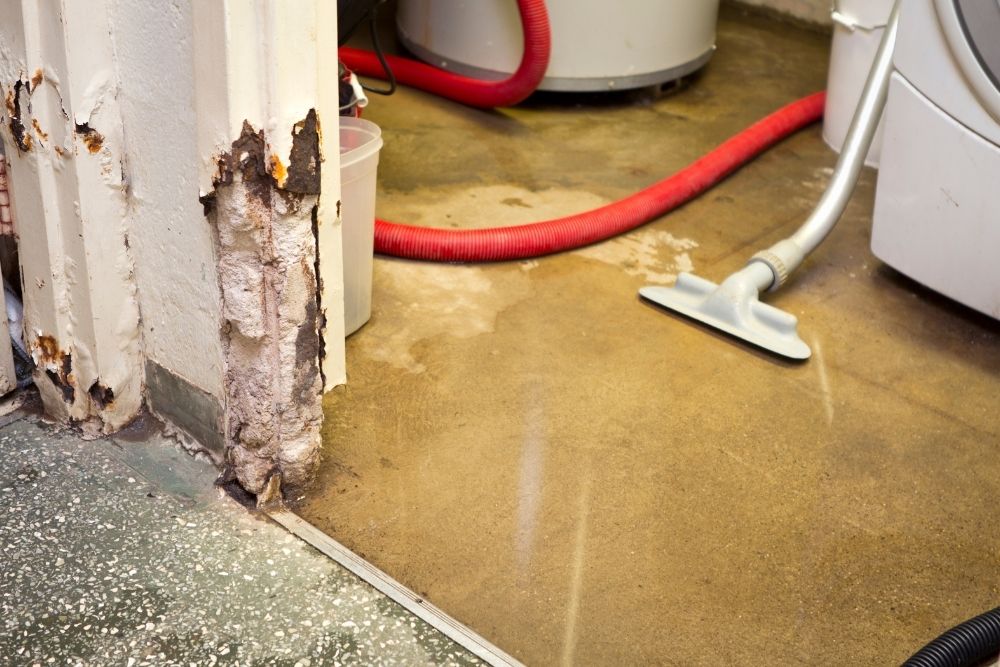
Metal supports are not immune either. Floodwater often contains contaminants and minerals that accelerate corrosion. Rust can slowly weaken steel supports and connectors, making the building less stable over time. Even concrete walls may suffer from cracking and internal weakening after prolonged exposure to moisture.
Why Prolonged Moisture Creates Long-Term Structural Risks
Moisture that remains trapped inside a building can create ongoing structural problems long after the floodwaters recede. Many property owners assume that once standing water is removed, the danger has passed. However, hidden moisture inside floors, walls, and ceilings can continue causing damage for weeks or even months.
Persistent dampness weakens building materials gradually. Wood becomes soft and unstable, while drywall loses its integrity and begins to crumble. Adhesives that hold flooring materials together may fail, causing tiles, laminate, or hardwood flooring to shift and separate.
Another serious concern is mold growth. Mold thrives in damp environments and spreads rapidly when moisture is left untreated. Besides creating health hazards, mold can further damage structural materials by breaking down organic surfaces like wood and drywall. This adds another layer of deterioration to an already compromised structure.
Effective FLOOD DAMAGE CLEANUP involves much more than simply removing visible water. Industrial drying equipment, moisture detection tools, and dehumidification systems are necessary to fully eliminate trapped moisture.
How Flooding Damages Flooring Systems
Flooding often causes extensive damage to flooring systems because floors absorb water quickly and retain moisture underneath the surface. Hardwood floors are particularly vulnerable, as the wood expands when wet and contracts during drying. This process can lead to warping, buckling, and permanent deformation.
Laminate flooring usually suffers even faster damage because moisture penetrates the seams and causes the material to swell. In many cases, laminate flooring cannot be salvaged after significant flooding. Carpeted floors also present major problems because the padding underneath traps moisture and encourages mold growth.
Subflooring materials are equally at risk. Plywood and particleboard weaken after water exposure, reducing their ability to support weight safely. When subfloors begin to deteriorate, floors may feel soft, uneven, or unstable underfoot. In severe situations, sections of flooring may collapse entirely.
The Role of Soil Erosion Around Structures
Flooding does not only affect the inside of a property. Water can also damage the surrounding landscape and compromise the ground supporting the structure. Soil erosion is one of the most overlooked consequences of flooding, yet it can have serious structural implications.
When heavy floodwaters wash away soil around a foundation, gaps may form beneath concrete slabs and footings. Without proper support, parts of the structure may settle unevenly. This movement often leads to foundation cracks, leaning walls, and misaligned doors or windows.
Different soil types react differently to flooding. Clay-rich soils expand significantly when wet and shrink during dry periods. This constant movement creates stress on foundations and can accelerate cracking. Sandy soils, on the other hand, may erode quickly during floods, removing critical support from beneath the structure.
Drainage systems play a major role in protecting buildings from erosion-related damage. Poor drainage allows water to accumulate around foundations, increasing the risk of soil movement. Property owners should address drainage issues promptly after flooding to reduce the likelihood of future structural instability and costly repairs.
Signs That Flooding Has Caused Structural Damage
Recognizing the early warning signs of structural damage can help property owners address problems before they become severe. One common indicator is visible cracking in walls, ceilings, or foundations. Small cracks may seem harmless at first, but they can expand over time if underlying structural issues are not corrected.
Uneven or sagging floors are another major warning sign. Flood-damaged subfloors and weakened support systems may cause sections of flooring to sink or feel unstable. Doors and windows that suddenly become difficult to open or close can also indicate structural shifting caused by foundation movement.
Water stains, peeling paint, and warped walls often suggest hidden moisture damage inside the structure. In some cases, homeowners may notice unusual odors caused by mold or rotting materials. These symptoms should never be ignored because they often point to deeper structural concerns.
Why Immediate Restoration Is Essential After Flooding
Time is one of the most important factors after a flood. The longer water remains inside a property, the more extensive the structural damage becomes. Within hours, water begins soaking into walls, floors, insulation, and support materials. After several days, deterioration accelerates rapidly.
Immediate restoration helps prevent secondary damage such as mold growth, wood rot, and material corrosion. Quick water extraction reduces the amount of moisture absorbed into structural components. Professional drying equipment then removes remaining moisture before permanent damage occurs.
Another important reason for fast action is preserving the building’s overall value. Structural damage can significantly lower property values and make future repairs more expensive. Insurance companies may also require prompt mitigation efforts to approve certain claims related to flooding.
How Professional Flood Cleanup Protects Structural Integrity
Professional restoration services are essential for protecting a building after flooding because they address both visible and hidden damage. Many homeowners attempt to handle water removal themselves, but standard household equipment is rarely powerful enough to eliminate deep moisture effectively.
Certified restoration specialists use advanced moisture detection technology to locate water trapped inside walls, floors, and ceilings. Industrial-grade pumps, air movers, and dehumidifiers help dry structural materials thoroughly and efficiently. This process significantly reduces the risk of long-term deterioration.
Sanitization is another critical part of the restoration process. Floodwater often contains bacteria, sewage, chemicals, and other harmful contaminants. Proper cleaning and disinfection help protect both the structure and the health of occupants. Restoration professionals also evaluate structural safety and recommend repairs when necessary.
Reliable flood damage cleanup services not only restore the appearance of a property but also help ensure its long-term stability.
Conclusion
Flooding can absolutely cause serious structural damage if not addressed quickly and properly. Water affects foundations, walls, flooring systems, support beams, and even the surrounding soil that supports a structure. Hidden moisture can continue weakening building materials long after the visible water is gone, leading to costly repairs and potential safety hazards. Recognizing the warning signs early and acting fast are essential steps in protecting any property after a flood.
Professional restoration services play a critical role in preventing long-term structural issues through proper water removal, drying, sanitization, and repairs. If your property has experienced flooding, trust JGW Group Water Damage Restoration in Las Vegas for dependable assistance. Their experienced team provides expert restoration solutions designed to protect your property and restore peace of mind. Call 725-525-3122 today for immediate support and professional flood damage restoration services.