Storms can cause severe disruption to commercial properties, leading to costly repairs, business interruptions, and safety hazards. A strong commercial storm recovery plan helps businesses respond quickly and reduce long-term damage after extreme weather events. From roof leaks and flooding to structural issues and electrical failures, storm damage restoration is a critical service that allows businesses to recover efficiently while protecting employees, customers, and assets.
Commercial property owners in areas prone to storms understand how quickly weather-related damage can escalate. Without proper restoration and recovery strategies, even minor storm issues can turn into major operational setbacks. This commercial storm recovery guide explains the most important steps businesses should take after a storm, including inspections, cleanup, repairs, insurance coordination, and preventative planning. Understanding the recovery process can help businesses minimize downtime and restore operations with confidence.
Understanding Commercial Storm Damage
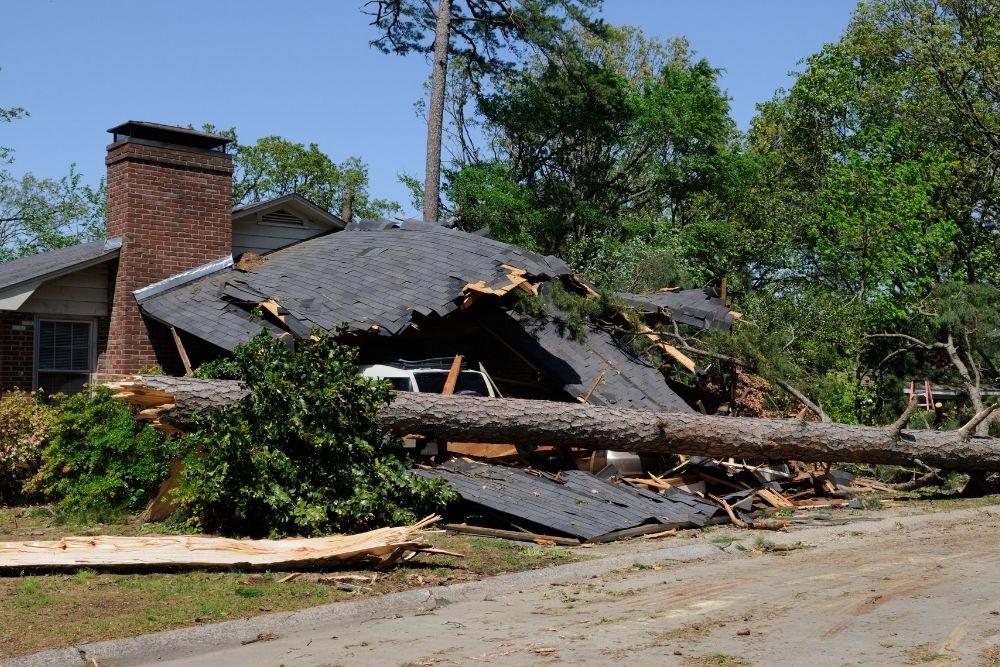
Commercial buildings are vulnerable to many types of storm-related damage. High winds can tear roofing materials away, while heavy rain can create leaks that spread throughout the structure. Hailstorms often damage windows, siding, HVAC systems, and exterior surfaces. Flooding can also compromise flooring, electrical systems, and critical business equipment.
Storm damage is not always immediately visible. Water intrusion behind walls or above ceilings may continue spreading long after the storm ends. Hidden moisture can create mold growth, weaken structural materials, and damage inventory. Because of this, professional inspections are essential following severe weather events.
Businesses that delay repairs often face higher restoration costs later. Even small roof punctures or minor leaks can grow into major structural issues over time. Fast action is one of the most important parts of effective storm recovery. Professional storm damage restoration teams can identify hidden issues early and prevent further complications that disrupt operations.
The Importance of Immediate Emergency Response
The first 24 to 48 hours after a storm are critical for commercial recovery. Immediate response helps stabilize the property and reduce secondary damage. Water removal, temporary roof tarping, and board-up services are commonly used to secure the building quickly.
When water enters a commercial property, it can spread rapidly through flooring, drywall, insulation, and electrical systems. Standing water also creates safety hazards for employees and customers. Fast extraction and drying services help prevent further deterioration and reduce mold risks.
Emergency response teams also document damage during the initial assessment phase. This information becomes valuable for insurance claims and repair planning. Businesses that respond quickly often recover faster and experience less operational downtime.
Professional restoration companies typically use industrial drying equipment, moisture detection tools, and specialized cleaning systems to restore affected areas. Having access to rapid-response services gives business owners peace of mind during stressful recovery situations.
Conducting a Full Property Damage Assessment
A thorough inspection is necessary before full repairs begin. Commercial buildings are complex structures with multiple systems that can be impacted by storms. Roofing systems, plumbing, electrical components, windows, and HVAC equipment should all be evaluated carefully.
Professional inspectors use advanced technology to detect hidden moisture and structural concerns. Thermal imaging cameras and moisture meters help locate water trapped behind walls or under flooring. Identifying these issues early prevents long-term deterioration.
The damage assessment process also helps determine the scope of storm damage restoration services required. Some properties may only need water mitigation and repairs, while others may require large-scale reconstruction work. Understanding the extent of the damage allows businesses to plan budgets and timelines more effectively.
Detailed inspection reports are also useful when filing insurance claims. Accurate documentation improves communication with insurance adjusters and helps businesses receive fair compensation for restoration costs.
Preventing Water and Mold Damage After Storms
Water damage is one of the most common issues following severe storms. Leaks, flooding, and excess humidity can quickly create conditions that support mold growth. Mold can begin developing within 24 to 48 hours if moisture is not removed properly.
Commercial buildings with carpeting, insulation, drywall, or wood materials are especially vulnerable. Once mold spreads, indoor air quality may decline, creating health concerns for employees and customers. Mold contamination can also force temporary business closures.
Proper drying and dehumidification are essential parts of storm recovery. Restoration professionals use high-powered air movers and commercial-grade dehumidifiers to remove moisture from affected areas. Monitoring equipment ensures moisture levels return to safe standards before repairs are completed.
Sanitization is another important step. Stormwater may contain contaminants that require specialized cleaning procedures. Professional restoration teams help businesses restore safe and healthy environments while preventing future mold issues.
Navigating Commercial Insurance Claims
Insurance claims can be one of the most challenging aspects of storm recovery. Commercial property owners often struggle with documentation requirements, coverage questions, and repair estimates. Understanding the claims process helps businesses avoid delays and maximize available coverage.
After a storm, businesses should document all visible damage immediately. Photos, videos, and written notes provide valuable evidence during the claims process. Temporary repairs should also be recorded to demonstrate efforts to prevent additional damage.
Working with experienced storm damage restoration professionals can simplify communication with insurance adjusters. Restoration companies often assist with inspection reports, repair estimates, and damage documentation. This support helps streamline approvals and reduce confusion during the recovery process.
It is important for business owners to review their insurance policies carefully. Coverage limits, deductibles, and exclusions may vary depending on the type of storm damage involved. Clear communication with insurance providers helps businesses make informed restoration decisions.
Restoring Commercial Roofing Systems
Commercial roofs are frequently the first areas impacted during severe storms. Wind, hail, and debris can compromise roofing materials and expose the building interior to water intrusion. Even small roof failures can lead to widespread interior damage if not repaired quickly.
Flat roofing systems commonly used on commercial properties may develop punctures, pooling water, or membrane separation after storms. These problems can worsen rapidly without immediate attention. Professional roofing inspections help identify both visible and hidden damage.
Temporary roof tarping may be necessary until permanent repairs are completed. Once the property is stabilized, restoration professionals can repair or replace damaged roofing materials based on the severity of the damage.
Regular roof maintenance also plays a major role in preventing future storm-related problems. Routine inspections help businesses identify vulnerabilities before severe weather strikes. Preventative maintenance can significantly reduce long-term restoration expenses.
Minimizing Business Interruption During Recovery
Storm damage can interrupt daily operations and reduce revenue for commercial properties. Office buildings, retail spaces, warehouses, and restaurants all depend on safe and functional environments to continue serving customers. Recovery planning helps minimize operational disruptions.
Businesses should prioritize critical areas during restoration. Restoring essential systems such as electricity, internet connectivity, plumbing, and HVAC services allows operations to resume more quickly. Some businesses may also require temporary relocation during repairs.
Communication with employees and customers is equally important during recovery. Providing updates about reopening timelines and safety measures helps maintain trust and reduce uncertainty.
Professional storm damage restoration teams understand the importance of efficient recovery timelines. Coordinated restoration plans help businesses return to normal operations while maintaining safety standards throughout the repair process.
Creating a Long-Term Storm Preparedness Plan
Preparation is one of the best ways to reduce future storm damage risks. Businesses that develop emergency response plans are often better equipped to recover after severe weather events. Preparedness strategies improve safety and reduce recovery costs over time.
Commercial property owners should schedule routine building inspections and maintenance before storm seasons begin. Roof inspections, drainage system cleaning, and window sealing can help prevent major damage during storms.
Emergency response procedures should also be communicated clearly to employees. Businesses benefit from having evacuation plans, backup communication systems, and emergency supply kits readily available. Protecting digital records and sensitive equipment is another important part of preparedness planning.
Partnering with a trusted restoration company before disasters occur can also improve response times after storms. Establishing relationships with restoration professionals allows businesses to act quickly when emergencies arise.
Conclusion
Recovering from severe weather requires fast action, professional support, and careful planning. From emergency response and water removal to roof repairs and insurance coordination, every step plays a role in protecting commercial properties and minimizing downtime. Investing in proper storm preparation and recovery services helps businesses reduce long-term costs while restoring safe working environments quickly.
If your property has experienced storm-related damage, professional assistance can make the recovery process smoother and more efficient. JGW Group Water Damage Restoration proudly provides reliable storm damage restoration services for commercial properties in Las Vegas. Our team is committed to helping businesses recover safely and efficiently after severe weather events. Call JGW Group Water Damage Restoration today at 725-525-3122 to schedule immediate assistance and protect your commercial property from further damage.