
Floods can leave behind more than visible water damage. They often create long-term issues that affect a property’s structure, electrical systems, flooring, and indoor air quality. Understanding the flood damage cleanup process and the costs involved is essential for homeowners and business owners who want to protect their property and avoid larger repair bills later. The cost of flood damage restoration varies depending on the severity of the flooding, the size of the affected area, and how quickly cleanup begins.
Many property owners underestimate how expensive restoration can become when water sits for too long. Mold growth, weakened foundations, and damaged belongings can quickly increase expenses. Knowing what affects restoration pricing helps you prepare financially and make informed decisions after a flood. This guide explains the key factors that influence restoration costs and what you can expect during the recovery process.
What Determines the Cost of Flood Damage Restoration
The cost of flood damage restoration depends on several important factors. One of the biggest influences is the amount of water involved and how deeply it penetrates the property. Clean water from a broken pipe usually costs less to remove and repair compared to contaminated floodwater from storms or sewage backups.
The size of the affected area also matters. A small room with minor water intrusion may only require drying and sanitation, while an entire flooded basement could involve demolition, structural repairs, and mold remediation. Restoration companies often calculate pricing based on square footage and the type of materials damaged.
Another major factor is response time. Water damage becomes more severe within the first 24 to 48 hours. Delayed cleanup allows moisture to spread into walls, flooring, and insulation, increasing repair costs significantly. Fast professional intervention can reduce overall expenses and prevent secondary damage.
Accessibility can also affect pricing. Hard-to-reach crawl spaces, hidden moisture pockets, and damaged electrical systems may require specialized equipment and additional labor. Every flood situation is unique, which is why restoration costs can vary widely from one property to another.
Water Extraction and Drying Costs
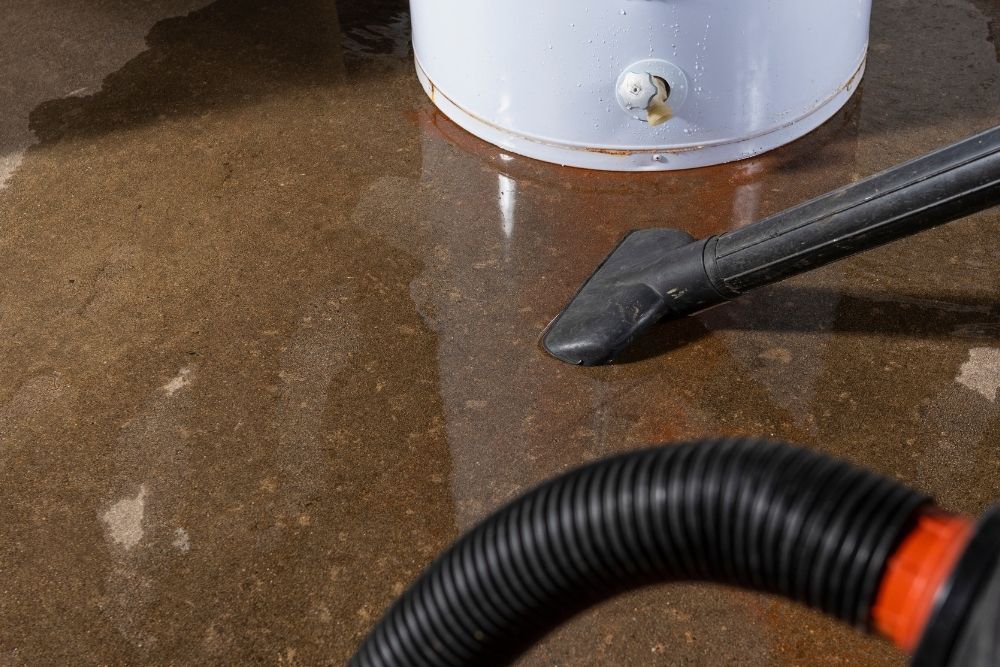
Water extraction is one of the first and most important steps in the restoration process. Professionals use industrial pumps, vacuums, and moisture detection equipment to remove standing water quickly. The larger the flooded area, the more equipment and labor are needed, increasing the overall cost.
Drying the property is equally important. Even after visible water is removed, moisture can remain trapped behind walls, under flooring, and inside insulation. Commercial air movers and dehumidifiers are often required for several days to fully dry the affected space. These machines run continuously and require monitoring to ensure moisture levels return to safe conditions.
The type of flooring affected also impacts pricing. Carpet may sometimes be salvaged if treated immediately, while hardwood flooring often warps and requires replacement. Tile flooring can trap moisture underneath, creating hidden mold problems that add to restoration expenses.
Mold Remediation and Additional Expenses
Mold growth is one of the most common complications after flooding. When moisture remains in a property for too long, mold can begin developing within 24 to 48 hours. Removing mold safely requires specialized cleaning methods and protective equipment, which can increase restoration costs.
Minor mold issues may only require surface treatment and air purification. However, widespread contamination often involves removing drywall, insulation, carpeting, and other porous materials. The larger the affected area, the more expensive remediation becomes.
Mold remediation professionals also perform containment procedures to prevent spores from spreading throughout the property. Air scrubbers, HEPA vacuums, and antimicrobial treatments are commonly used during the cleanup process. These extra services contribute to higher overall restoration pricing.
Ignoring mold problems can create serious health risks, especially for individuals with allergies, asthma, or weakened immune systems. Professional remediation ensures the property is properly cleaned and safe for occupancy. In many cases, addressing mold early can save homeowners from much larger repair bills in the future.
Structural Repairs After Flooding
Floodwater can weaken important structural components of a property. Drywall, insulation, wood framing, and support beams often absorb moisture and deteriorate over time. The longer water remains inside the building, the greater the chance of structural damage.
Repair costs vary depending on the severity of the damage. Minor flooding may only require replacing sections of drywall and flooring. Severe flooding can affect foundations, subfloors, and load-bearing walls, resulting in major reconstruction expenses.
Electrical and plumbing systems may also need inspection and repair after a flood. Water exposure creates safety hazards that should only be addressed by licensed professionals. Replacing damaged wiring, outlets, and appliances can add thousands of dollars to restoration costs.
Structural restoration is essential for maintaining the safety and value of the property. While repairs may seem expensive initially, failing to address hidden damage can create larger problems later. Professional inspections help identify areas that require immediate attention before conditions worsen.
How Insurance Affects Restoration Costs
Insurance coverage plays a major role in determining out-of-pocket restoration expenses. Standard homeowner insurance policies often do not cover flood damage caused by natural disasters. Separate flood insurance policies are usually required for protection against storm-related flooding.
Coverage limits vary depending on the insurance provider and policy details. Some plans cover structural repairs and water extraction but exclude personal belongings or mold remediation. Understanding your policy before a flood occurs can prevent confusion during the claims process.
Documentation is extremely important when filing a claim. Restoration professionals often provide moisture readings, damage reports, and photographs to support insurance cases. Keeping records of damaged items and repair estimates helps speed up approvals.
Deductibles also impact final costs. Even with insurance coverage, homeowners may still be responsible for a portion of restoration expenses. Working with experienced restoration companies can make the insurance process smoother and help ensure accurate damage assessments are submitted.
Emergency Services and Their Impact on Pricing
Emergency flood restoration services are designed to respond quickly and minimize damage. These services are often available 24/7 because water emergencies can happen at any time. While emergency response may increase costs slightly, immediate action usually prevents more expensive long-term repairs.
Emergency crews focus on stopping active water intrusion, removing standing water, and securing the property. Fast intervention reduces the risk of structural deterioration and mold growth. Delayed action almost always leads to higher restoration expenses.
After-hours calls, holiday services, and severe storm situations may involve additional charges due to increased labor demands and equipment usage. However, the cost of emergency response is typically much lower than the cost of extensive secondary damage.
Residential vs Commercial Flood Restoration Costs
Residential and commercial flood restoration projects differ significantly in scope and pricing. Residential properties usually involve smaller affected areas and fewer occupants, making restoration more manageable and less expensive in many cases.
Commercial properties often require larger crews, industrial equipment, and faster turnaround times. Businesses may also face additional costs related to operational downtime, inventory damage, and compliance with safety regulations. Restoring offices, warehouses, or retail spaces can become much more complex than residential cleanup.
Commercial buildings may contain specialized equipment, electronics, or machinery that require careful handling and restoration. Data recovery, document drying, and large-scale sanitation procedures can increase overall project costs substantially.
Both residential and commercial properties benefit from immediate professional response. Quick action helps reduce damage, protect assets, and restore normal operations as soon as possible.
Ways to Reduce Flood Damage Restoration Costs
There are several ways property owners can reduce restoration expenses after a flood. One of the most effective strategies is acting immediately when water intrusion occurs. Fast response prevents moisture from spreading and minimizes damage to walls, flooring, and furniture.
Routine maintenance also plays an important role in flood prevention. Cleaning gutters, inspecting roofing systems, and maintaining proper drainage around the property can reduce the likelihood of severe flooding during storms.
Installing sump pumps, water alarms, and backflow prevention systems can help protect vulnerable areas. These preventive measures may require upfront investment but can save thousands of dollars in future repairs.
Choosing experienced restoration professionals is equally important. Quality restoration companies use advanced moisture detection tools and proven drying techniques to complete the job efficiently. Proper restoration prevents recurring issues that could lead to additional expenses later.
Conclusion
The cost of flood damage restoration depends on many factors, including the amount of water involved, the size of the affected area, and how quickly cleanup begins. From water extraction and drying to mold remediation and structural repairs, every stage of the restoration process contributes to the final expense. Acting quickly after a flood can significantly reduce damage and lower overall repair costs. Professional restoration services also help protect the long-term safety and value of your property.
If you need reliable flood damage cleanup services, contact JGW Group Water Damage Restoration in Las Vegas at 725-525-3122. Their experienced team can help restore your property quickly and efficiently after flood damage occurs.