Sewage problems are among the most stressful situations a homeowner or business owner can face. From contaminated water to foul odors and property damage, the need for fast and professional sewage cleanup is critical. The cost of cleanup can vary depending on the severity of the issue, the size of the affected area, and the type of restoration services required.
Understanding what impacts sewage cleanup pricing helps property owners make informed decisions during an emergency. Delaying cleanup can lead to structural damage, mold growth, and serious health risks caused by bacteria and contaminated water. Whether the issue comes from a backed-up drain, toilet overflow, or sewer line break, professional restoration services are essential for protecting your property and health. In this guide, we’ll break down the factors that influence sewage cleanup costs and explain what property owners in Las Vegas should expect during the restoration process.
What Is Sewage Cleanup and Why Is It Necessary?
Sewage cleanup is the process of removing contaminated water, sanitizing affected areas, and restoring a property after a sewage backup or wastewater intrusion. Unlike clean water damage, sewage contains harmful bacteria, viruses, and toxins that can create dangerous living conditions. Professional restoration teams use specialized equipment and disinfectants to ensure the area is properly cleaned and safe again.
When sewage enters a home or commercial property, immediate action is necessary. Contaminated water can soak into floors, drywall, insulation, and furniture within hours. If not addressed quickly, it can cause long-term structural issues and strong odors that are difficult to remove. In many cases, damaged materials must be removed and replaced to prevent contamination from spreading.
The process also includes drying and dehumidifying the area to prevent mold growth. A professional restoration company will inspect the property thoroughly and determine the extent of contamination before beginning repairs. Because sewage exposure carries serious health risks, DIY cleaning methods are usually not enough for safe restoration.
Average Cost of Sewage Cleanup Services
The average cost of sewage cleanup depends on several factors, including the amount of contamination and the extent of damage inside the property. Minor sewage backups in a small bathroom may cost a few hundred dollars to clean, while larger restoration projects involving multiple rooms can reach several thousand dollars.
One of the biggest cost factors is the category of water involved. Sewage water is classified as highly contaminated, meaning more safety precautions and cleaning procedures are required. Restoration teams often need protective gear, commercial-grade disinfectants, and advanced drying equipment to complete the job properly.
Labor costs also play a major role in pricing. Technicians may need to remove flooring, drywall, insulation, or damaged furniture before sanitizing the affected space. The longer sewage sits in the property, the more expensive the restoration process can become because contamination spreads deeper into building materials.
Property owners should also consider additional repair expenses after the cleanup process is complete. Replacing flooring, repainting walls, and repairing plumbing systems can add to the overall cost. Working with an experienced restoration company helps ensure the cleanup is handled safely and efficiently.
Factors That Affect Sewage Cleanup Pricing
Several factors influence the final cost of a sewage restoration project. The size of the affected area is one of the most important considerations. A small overflow in one room requires less labor and equipment than a sewage backup that impacts an entire home or commercial building.
The duration of exposure also affects pricing. Sewage that remains untreated for several days often causes more extensive structural damage and increases the risk of mold growth. In these cases, restoration professionals may need to remove and replace more materials, increasing labor and disposal costs.
Another factor is accessibility. Cleanup projects in crawl spaces, basements, or behind walls can require additional labor and specialized tools. If technicians need to access hidden moisture or contamination, the overall restoration process becomes more time-consuming.
Insurance coverage can also influence out-of-pocket expenses. Some homeowner insurance policies cover sewage damage caused by sudden plumbing failures, while others require additional coverage for sewer backups. Reviewing your policy before an emergency happens can help reduce financial surprises during restoration.
Health Risks Associated With Sewage Damage
Sewage contamination poses serious health risks that should never be ignored. Wastewater can contain bacteria, viruses, parasites, and harmful microorganisms that spread illness through direct contact or airborne particles. Exposure can lead to respiratory issues, skin irritation, infections, and digestive problems.
Children, seniors, and individuals with weakened immune systems are especially vulnerable to contaminated environments. Even after visible water is removed, bacteria can remain trapped inside carpets, drywall, and flooring if the area is not professionally sanitized.
The smell associated with sewage damage is another concern. Strong odors often indicate the presence of dangerous gases and bacterial growth inside the property. Professional restoration teams use air scrubbers, dehumidifiers, and antimicrobial treatments to improve indoor air quality during the cleanup process.
Attempting DIY sewage cleaning without proper protective equipment can increase exposure risks. Professional technicians follow strict safety procedures to contain contamination and prevent it from spreading throughout the property. This is why hiring trained restoration experts is strongly recommended after any sewage backup.
Emergency Response and Why Timing Matters
Fast action is one of the most important parts of successful sewage restoration. The longer contaminated water remains inside a property, the greater the damage becomes. Within hours, moisture can spread into porous materials like drywall, wood, and insulation.
Emergency restoration companies are trained to respond quickly because timing directly affects repair costs. Rapid water extraction and sanitation help reduce structural damage and lower the risk of mold growth. Delayed cleanup often results in additional demolition and more expensive restoration work.
During an emergency response, technicians first identify the source of the sewage issue and stop further contamination. Once the affected area is secured, they begin water removal, cleaning, and drying procedures. Specialized moisture detection tools help locate hidden water that may not be visible to property owners.
The Role of Professional Restoration Equipment
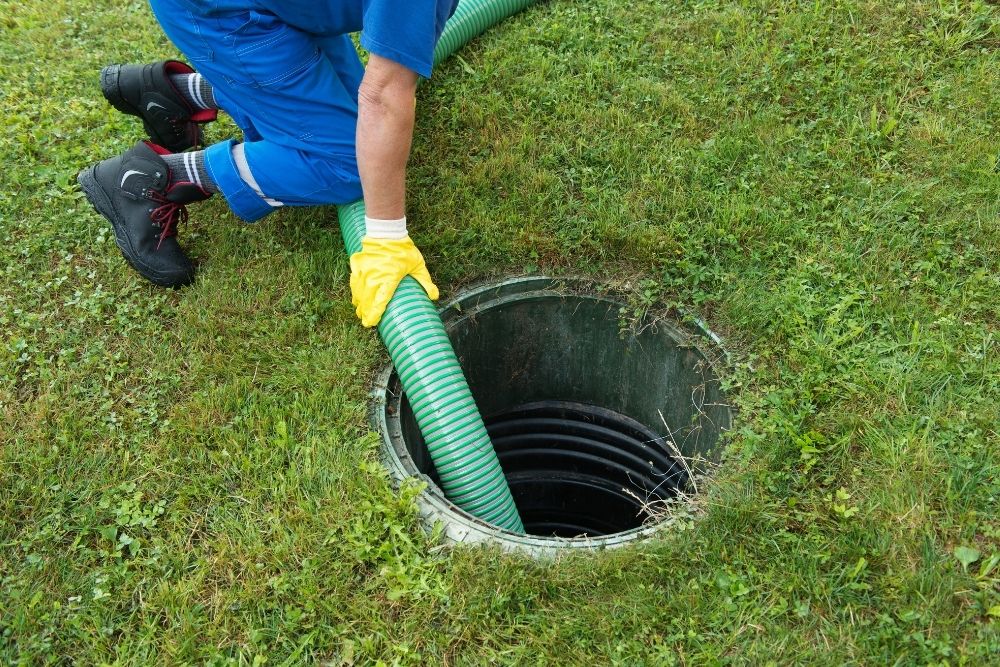
Professional sewage restoration requires advanced equipment designed for hazardous cleanup situations. Industrial pumps and extraction systems remove contaminated water quickly and efficiently. High-powered vacuums help eliminate moisture trapped in flooring and carpets.
After water extraction, restoration technicians use commercial-grade dehumidifiers and air movers to dry the area completely. Proper drying is essential because lingering moisture can lead to mold growth and structural deterioration. Moisture meters and thermal imaging devices are often used to detect hidden water behind walls or beneath flooring.
Sanitization is another critical part of the process. Restoration companies use antimicrobial treatments and disinfectants to eliminate bacteria and odors caused by sewage contamination. Air scrubbers may also be used to improve indoor air quality during restoration.
Can Insurance Cover Sewage Cleanup Costs?
Insurance coverage for sewage cleanup depends on the cause of the damage and the details of the policy. In some cases, homeowner insurance may cover sudden and accidental sewage backups caused by plumbing failures or burst pipes. However, many standard policies exclude sewer backups unless additional coverage is purchased.
Property owners should review their insurance policies carefully to understand what is included. Sewer backup endorsements are commonly offered as optional coverage and can help reduce financial stress during an emergency restoration project.
When filing a claim, documentation is important. Restoration companies often assist homeowners by providing detailed reports, photos, and estimates for insurance purposes. This can help speed up the claims process and improve communication with insurance adjusters.
How to Prevent Future Sewage Backups
Preventing sewage backups starts with proper plumbing maintenance and regular inspections. Clogged drains, aging sewer lines, and tree root intrusion are common causes of sewage issues. Scheduling routine inspections can help identify small problems before they become major emergencies.
Property owners should avoid flushing non-biodegradable items like wipes, paper towels, and grease down drains. These materials can create blockages that increase pressure inside plumbing systems and lead to backups.
Installing backflow prevention devices can also help protect homes and businesses from sewage intrusion during heavy rainfall or sewer system overloads. Maintaining sump pumps and drainage systems is especially important in areas prone to flooding.
Conclusion
The cost of sewage cleanup depends on the severity of contamination, the size of the affected area, and the restoration work required to make the property safe again. Fast response times, professional equipment, and proper sanitation are all essential parts of effective cleanup and restoration. Ignoring sewage damage or delaying repairs can lead to higher costs, health risks, and long-term structural issues.
If you’re dealing with a sewage backup or contaminated water emergency, professional help is critical. JGW Group Water Damage Restoration proudly provides reliable restoration services in Las Vegas, NV. Their experienced team responds quickly to minimize damage, sanitize affected areas, and restore properties safely and efficiently. For immediate assistance or to learn more about restoration services, contact JGW Group Water Damage Restoration today at 725-525-3122.