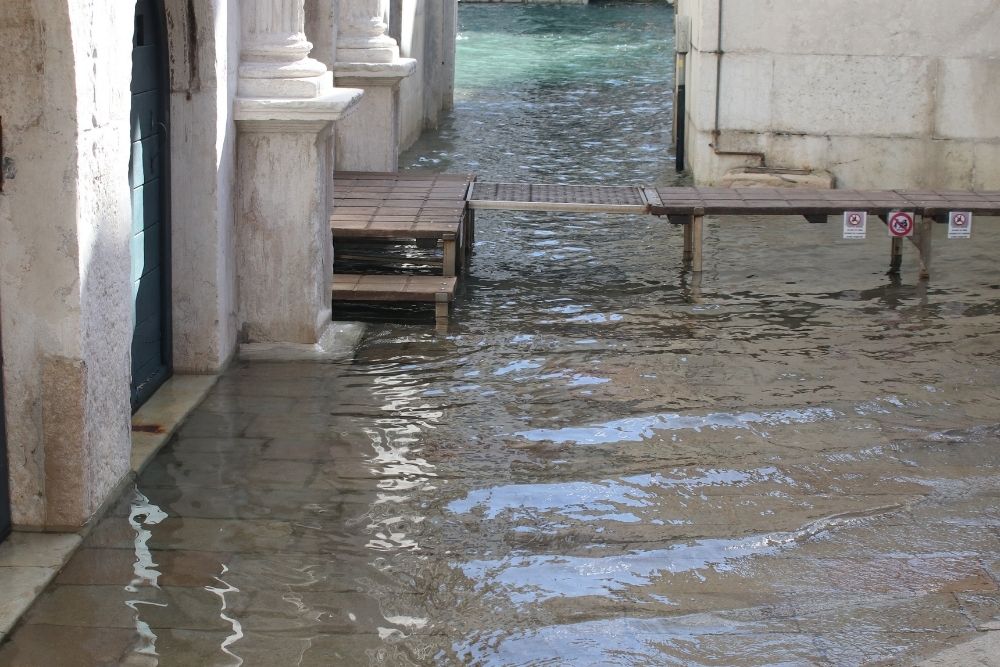
Flooding can leave behind far more damage than what homeowners immediately notice. While standing water and ruined belongings are obvious concerns, the hidden effects of flooding often become the most expensive and dangerous problems later on. Moisture can remain trapped behind walls, under flooring, and inside structural materials long after surfaces appear dry. This is why proper flood damage cleanup is essential after any flood event.
Hidden flood damage can weaken a home’s structure, create mold growth, damage electrical systems, and reduce indoor air quality. Many homeowners believe the danger is over once the water is removed, but unseen moisture can continue causing damage for weeks or even months. Without immediate restoration and inspection, small issues can quickly turn into major repairs. Understanding the hidden risks after flooding helps homeowners protect their property, health, and long-term investment. In this article, we will explore the most common types of hidden flood damage and why professional cleanup is so important.
Structural Damage That Develops Over Time
One of the biggest concerns after flooding is hidden structural damage. Water can seep deep into wood framing, drywall, insulation, and support beams without showing immediate signs of destruction. Even after visible water is removed, the materials inside the home may still contain large amounts of moisture.
Wood is especially vulnerable because it absorbs water quickly. Over time, wet wood weakens, warps, and begins to rot. Floors may become soft, ceilings can sag, and walls may slowly lose stability. In severe cases, structural supports can become unsafe and require major repairs.
Concrete foundations are also affected by flooding. Excess moisture around the foundation may lead to shifting soil and cracks that worsen over time. These issues often remain unnoticed until homeowners begin seeing uneven flooring or wall damage months later.
Professional inspections are important because hidden moisture cannot always be detected visually. Restoration specialists use moisture meters and thermal imaging equipment to locate water trapped inside structural materials. Proper drying prevents further deterioration and helps maintain the integrity of the property.
Ignoring hidden structural damage can eventually lower property value and increase repair costs significantly. Quick action after flooding reduces the likelihood of long-term structural issues and protects the overall safety of the home.
Mold Growth Behind Walls and Floors
Mold growth is one of the most common hidden problems that appear after flooding. Mold can begin developing within 24 to 48 hours when moisture remains trapped in dark and humid areas. Unfortunately, these areas are often hidden behind walls, under flooring, and inside ceilings.
Even if surfaces look dry, hidden moisture may continue feeding mold growth for weeks. Many homeowners do not realize mold exists until they notice musty odors or begin experiencing allergy symptoms. By the time mold becomes visible, it may already be widespread throughout the property.
Mold exposure can lead to coughing, breathing problems, headaches, and skin irritation. Children, older adults, and people with respiratory conditions are especially vulnerable to these health effects. Some mold types can also damage furniture, clothing, and personal belongings.
Professional flood damage cleanup helps reduce the risk of mold by thoroughly drying affected areas and removing contaminated materials. Restoration teams use specialized equipment such as industrial dehumidifiers and air movers to eliminate hidden moisture.
Removing visible mold alone is not enough because hidden colonies can continue spreading behind surfaces. Proper cleanup and moisture control are essential for preventing future mold problems and maintaining healthy indoor air quality.
Electrical Hazards After Flooding
Floodwater can create serious electrical hazards that are not always immediately visible. Water exposure may damage wiring, outlets, circuit breakers, and electrical appliances even when everything appears to function normally.
One major issue is corrosion. When water enters electrical systems, metal components may slowly corrode over time. This weakens electrical connections and increases the risk of overheating, short circuits, or electrical fires later on.
Floodwater can also affect outlets hidden inside walls. Homeowners may unknowingly continue using unsafe electrical systems after flooding because the damage is concealed behind drywall or insulation. Appliances exposed to water may also contain damaged internal components that fail unexpectedly.
Electrical hazards become even more dangerous if contaminated floodwater is involved. Water mixed with sewage or chemicals can increase corrosion and create additional safety concerns throughout the property.
Professional electricians and restoration specialists often inspect homes after flooding to identify hidden dangers. During the flood damage cleanup process, damaged wiring and electrical components may need replacement to ensure the home is safe again.
Ignoring electrical damage can place families at serious risk. A complete inspection following flooding is one of the most important steps in the restoration process.
Hidden Moisture Beneath Flooring
Flooring materials absorb floodwater quickly, especially carpet, laminate, hardwood, and subflooring. While surfaces may dry relatively fast, hidden moisture underneath the flooring can remain trapped for long periods.
Hardwood flooring often expands after water exposure, causing warping or buckling. Laminate flooring may separate or trap moisture beneath its layers. Carpets and padding are particularly problematic because they hold water deep inside the fibers and underneath the surface.
Subfloors are another hidden concern. Moisture trapped below flooring materials weakens the structure underneath and encourages mold growth. Homeowners may not notice the damage until odors develop or the flooring becomes uneven.
Professional restoration teams use specialized drying systems designed to remove moisture from below the flooring surface. Moisture meters help determine whether hidden dampness still exists inside the materials.
Without proper drying, flooring damage may continue worsening long after the flood has ended. Replacing damaged flooring becomes much more expensive when hidden moisture is ignored during the initial cleanup process.
Contaminated Floodwater and Health Risks
Floodwater is often far more dangerous than many homeowners realize. In many cases, floodwater contains sewage, bacteria, chemicals, and debris that create serious health risks inside the home.
Contaminated water can soak into carpets, drywall, insulation, and furniture. Even after the visible water is removed, harmful bacteria and toxins may remain hidden inside porous materials. Simply cleaning the surface does not eliminate these dangers completely.
Exposure to contaminated floodwater may cause infections, respiratory illness, stomach problems, and skin irritation. Unpleasant odors may also continue developing if contaminated materials are not properly removed.
This is why professional sanitation is an important part of flood damage cleanup. Restoration specialists use disinfectants and antimicrobial treatments to safely clean affected areas and reduce contamination risks.
In severe cases, some materials cannot be fully restored and must be removed entirely. Drywall, insulation, carpet padding, and upholstered furniture are often replaced when exposed to heavily contaminated floodwater.
Fast cleanup and proper sanitation help prevent ongoing health hazards and ensure the home becomes safe for occupancy again after flooding.
HVAC and Indoor Air Quality Problems
Flooding can also damage heating and cooling systems throughout the home. Hidden moisture inside HVAC systems and ductwork may create long-term indoor air quality problems if left untreated.
Water entering air ducts can lead to mold growth inside the ventilation system. Once mold develops, spores may spread throughout the property whenever the system operates. This can affect every room in the home even if flooding occurred in only one area.
Floodwater may also damage furnaces, air conditioning units, and insulation around ductwork. Moisture trapped inside these systems reduces efficiency and increases the likelihood of future breakdowns.
Many homeowners notice lingering odors after flooding because contaminated air continues circulating through the HVAC system. Poor indoor air quality may lead to headaches, allergies, or respiratory irritation over time.
Professional inspections help identify moisture and contamination inside ventilation systems. Restoration specialists often clean and sanitize ductwork as part of the overall recovery process.
Proper drying and maintenance help restore healthy indoor air quality and prevent hidden contamination from spreading further throughout the property.
Conclusion
Hidden flood damage can continue affecting a property long after standing water disappears. Moisture trapped inside walls, flooring, structural materials, and HVAC systems may lead to mold growth, weakened structures, electrical hazards, and serious health concerns. Many of these problems develop slowly and remain unnoticed until expensive repairs become necessary.
Taking immediate action after flooding is the best way to protect both your home and your family. Professional restoration services help identify hidden moisture, remove contamination, and prevent long-term damage before it worsens. Proper inspections and drying procedures are essential for restoring safety and preventing future issues.
If you need expert flood restoration services, contact JGW Group Water Damage Restoration in Las Vegas. Their experienced team provides reliable recovery solutions to help homeowners restore their property after water damage. Call 725-525-3122 today for professional flood cleanup and restoration assistance.