The cost of mold remediation is one of the biggest concerns homeowners face after discovering mold inside their property. Mold can spread quickly through walls, ceilings, flooring, and ventilation systems, causing structural damage and unhealthy indoor air conditions. What may begin as a small patch of mold can turn into a major restoration project if moisture problems are left unresolved.
Understanding mold remediation costs helps property owners prepare financially and make informed decisions before damage worsens. Prices can vary depending on the size of the infestation, the location of the mold, and the type of materials affected. Professional remediation services not only remove visible mold but also address the source of moisture to prevent future growth. This guide explains average pricing, factors that influence costs, inspection fees, insurance coverage, and practical ways homeowners can reduce mold-related expenses while protecting their property.
What Is Mold Remediation?
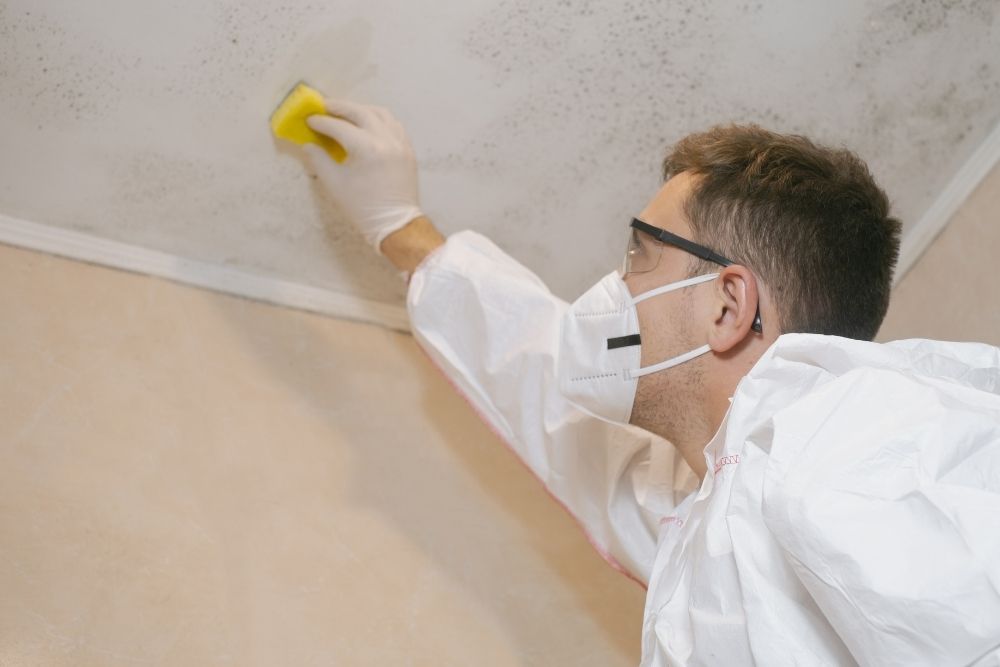
Mold remediation is the process of identifying, containing, removing, and preventing mold growth within a property. Unlike simple surface cleaning, remediation focuses on eliminating both visible mold and the moisture source causing the problem. Professional contractors use specialized equipment and safety procedures to prevent mold spores from spreading during cleanup.
The process usually starts with an inspection to determine the extent of contamination. Once the affected areas are identified, technicians create containment barriers and use air filtration systems to reduce airborne spores. Contaminated materials such as drywall, insulation, or carpeting may need to be removed if mold has deeply penetrated the surfaces.
Homeowners often confuse mold removal with mold remediation. Complete removal of every mold spore is impossible because mold exists naturally in the environment. The goal of remediation is to reduce mold levels to safe conditions while preventing future growth through moisture control and repairs.
Professional remediation becomes especially important when mold spreads behind walls, under flooring, or through HVAC systems. Hidden mold can continue growing undetected and may lead to larger repair costs over time. Early intervention helps limit damage and keeps remediation expenses more manageable.
Average Mold Remediation Costs
The average cost of mold remediation in the United States generally ranges from $1,500 to $6,000. However, the final price can vary greatly depending on the severity of contamination and the size of the affected area. Small projects involving minor bathroom mold may cost only a few hundred dollars, while large-scale restoration projects can exceed $10,000.
One of the biggest cost factors is square footage. A small contaminated area requires less labor, fewer materials, and simpler containment procedures. Larger infestations often involve multiple rooms, damaged structural materials, and advanced air filtration systems, all of which increase costs.
Labor is another major expense during remediation projects. Certified mold specialists use protective equipment, HEPA vacuums, air scrubbers, and moisture detection tools to safely clean affected areas. If demolition and reconstruction are necessary, labor costs can rise significantly.
Geographic location also affects pricing. Cities with higher living costs and labor rates may charge more for remediation services than smaller communities. Emergency services following floods or severe water damage may also increase overall expenses because immediate action is required to prevent rapid mold growth.
Factors That Affect Mold Remediation Pricing
Several important factors influence the total cost of mold remediation services. One of the most significant is the location of the mold. Surface mold on bathroom tile is easier and cheaper to remove than mold hidden behind drywall, beneath flooring, or inside crawl spaces.
The type of material affected also impacts pricing. Porous materials such as drywall, carpeting, insulation, and wood often absorb mold deeply and may need complete replacement. Non-porous surfaces like glass or metal are usually easier to clean and disinfect without removal.
Moisture damage is another critical factor. Mold thrives in damp environments, so contractors must identify and repair the water source before remediation can be completed successfully. Plumbing leaks, roof damage, poor drainage, or high humidity can all contribute to additional repair expenses.
The level of contamination plays a major role as well. Small isolated mold patches may require minimal containment, while widespread contamination often demands negative air pressure systems, advanced filtration equipment, and more extensive labor.
Mold Inspection and Testing Costs
Before starting remediation, many homeowners choose to schedule professional mold inspections and testing services. Inspections typically cost between $200 and $600 depending on the size of the property and the complexity of the issue. More advanced testing can increase the total price.
During an inspection, professionals look for visible mold, moisture damage, and hidden water intrusion. Moisture meters, thermal imaging cameras, and air sampling tools may be used to detect contamination behind walls or beneath flooring.
Air quality testing measures mold spore levels inside the property compared to outdoor conditions. Surface sampling may also be performed to identify specific mold types growing in affected areas. Laboratory analysis provides detailed information that helps determine the proper remediation strategy.
While testing is not always required for small visible mold issues, it can be valuable when mold is hidden or when occupants experience unexplained allergy symptoms. Buyers and sellers may also request mold inspections during real estate transactions to avoid future disputes.
Some remediation companies include inspection fees within the total project cost if the homeowner hires them for cleanup services. Others charge separately for testing and reporting.
Insurance Coverage for Mold Damage
Insurance coverage for mold damage depends heavily on the cause of the contamination and the homeowner’s policy details. In many cases, insurance companies only cover mold remediation if the mold results from a sudden and accidental event such as a burst pipe or appliance malfunction.
Mold caused by long-term leaks, neglect, poor maintenance, or humidity problems is often excluded from standard homeowners insurance policies. Because of this, many homeowners are surprised when claims for mold-related repairs are denied.
Some insurance providers offer optional mold coverage endorsements for an additional premium. These endorsements may help pay for inspections, remediation, and reconstruction costs associated with mold damage. Coverage limits vary depending on the insurer and policy terms.
Proper documentation is essential during the claims process. Homeowners should take photographs of water damage, save repair invoices, and notify the insurance company immediately after discovering mold-related issues. Delayed reporting can sometimes impact claim approval.
DIY Mold Removal vs Professional Services
Many homeowners consider DIY mold cleanup to save money, but professional remediation is often the safer and more effective solution for larger infestations. Small areas of surface mold may be manageable with household cleaners and proper protective equipment, but hidden contamination can quickly become dangerous.
One major risk of DIY mold removal is spreading spores throughout the property. Without containment barriers and air filtration systems, disturbed mold spores can travel into unaffected rooms and worsen indoor air quality. This can increase health risks for individuals with allergies, asthma, or respiratory conditions.
Professional remediation companies use specialized equipment including HEPA vacuums, negative air machines, and moisture detection tools. These systems help contain contamination and remove mold safely without spreading spores through the home.
DIY methods also frequently fail to address the underlying moisture issue. Simply cleaning visible mold without repairing leaks or humidity problems often results in recurring contamination. Professionals focus on long-term prevention as well as cleanup.
How to Reduce Mold Remediation Costs
Preventing mold growth is the most effective way to avoid expensive remediation costs. Regular maintenance and moisture control help reduce the likelihood of mold developing inside the home. Quickly repairing leaks and improving ventilation are two of the most important preventive measures homeowners can take.
Maintaining indoor humidity below 50 percent can significantly reduce mold growth. Using dehumidifiers in damp areas such as basements, bathrooms, and laundry rooms helps create a less favorable environment for mold spores.
Homeowners should also inspect roofs, plumbing systems, and windows regularly for signs of water intrusion. Addressing water damage early can prevent mold from spreading into walls and flooring where remediation becomes more expensive.
Acting quickly after flooding or leaks is another critical step. Mold can begin growing within 24 to 48 hours after moisture exposure. Immediate drying and cleanup can help minimize damage and reduce restoration costs.
Conclusion
Understanding the costs associated with mold remediation helps homeowners prepare for potential restoration expenses and respond quickly when mold problems arise. Pricing depends on factors such as contamination size, affected materials, accessibility, and the repairs needed to eliminate moisture issues permanently. Early detection and professional inspections can help prevent small problems from becoming costly structural repairs.
While some minor mold issues may be manageable, widespread contamination often requires professional remediation to ensure safe and complete cleanup. Choosing experienced specialists helps protect both the property and indoor air quality for the long term. If you need trusted mold removal services in Las Vegas, contact JGW Group Water Damage Restoration for reliable assistance. Their experienced team provides inspections, remediation, and restoration services throughout Las Vegas, NV. Call 725-525-3122 today for professional support and fast response when dealing with mold damage.