When disaster strikes, property owners are often left wondering whether they are dealing with storm damage or flood damage. While both can cause major destruction to homes and businesses, understanding the difference is important when it comes to insurance claims, repairs, and recovery planning. Professional storm damage restoration services help property owners recover quickly, minimize structural issues, and prevent long-term damage.
In areas like Las Vegas, NV, severe weather events can create unexpected property damage through strong winds, heavy rain, flash floods, and roof leaks. Many homeowners mistakenly believe storm damage and flood damage are the same, but each type of damage affects a property differently. Knowing how these disasters occur, the signs to look for, and the restoration process involved can save time, money, and stress. This guide explains the key differences between storm damage and flood damage, common causes, restoration methods, and how property owners can protect their homes and businesses from future disasters.
What Is Storm Damage?
Storm damage refers to destruction caused by severe weather events such as thunderstorms, hailstorms, high winds, lightning, or heavy rainfall. This type of damage can affect both the exterior and interior of a property. Roof shingles may be torn away by strong winds, windows can crack from debris impact, and water may enter through damaged roofing systems.
In many cases, storm damage occurs suddenly and spreads quickly throughout a property. Even a small roof leak can allow water to seep into ceilings, insulation, drywall, and flooring. If not addressed immediately, mold growth and structural weakening can develop over time.
Professional storm damage restoration specialists assess the property, identify hidden moisture, and begin repairs quickly to reduce additional damage. Restoration often includes water extraction, roof tarping, structural drying, and rebuilding damaged areas. Fast response is essential because delays can increase repair costs and create long-term safety concerns for homeowners and business owners alike.
What Is Flood Damage?
Flood damage occurs when water rises and enters a property from external sources such as overflowing rivers, flash floods, storm surges, or heavy ground saturation. Unlike roof leaks or isolated water intrusion, floodwater usually affects larger areas and can contain contaminants, sewage, chemicals, or debris.
Floodwater is often categorized as hazardous because it may carry bacteria and dangerous materials into homes and buildings. Carpets, drywall, insulation, and furniture exposed to floodwater are frequently unsalvageable and require complete removal. Structural components can also weaken if floodwater remains inside a property for an extended period.
One of the biggest challenges with flood damage is the hidden moisture left behind. Water can become trapped inside walls, under flooring, and within foundation materials. Specialized drying equipment and moisture detection tools are necessary to ensure the property is fully restored.
Because flooding can create severe health and structural risks, professional restoration services are essential. Property owners should avoid attempting major cleanup alone and instead rely on trained experts who understand safe floodwater removal and sanitation procedures.
Common Causes of Storm Damage
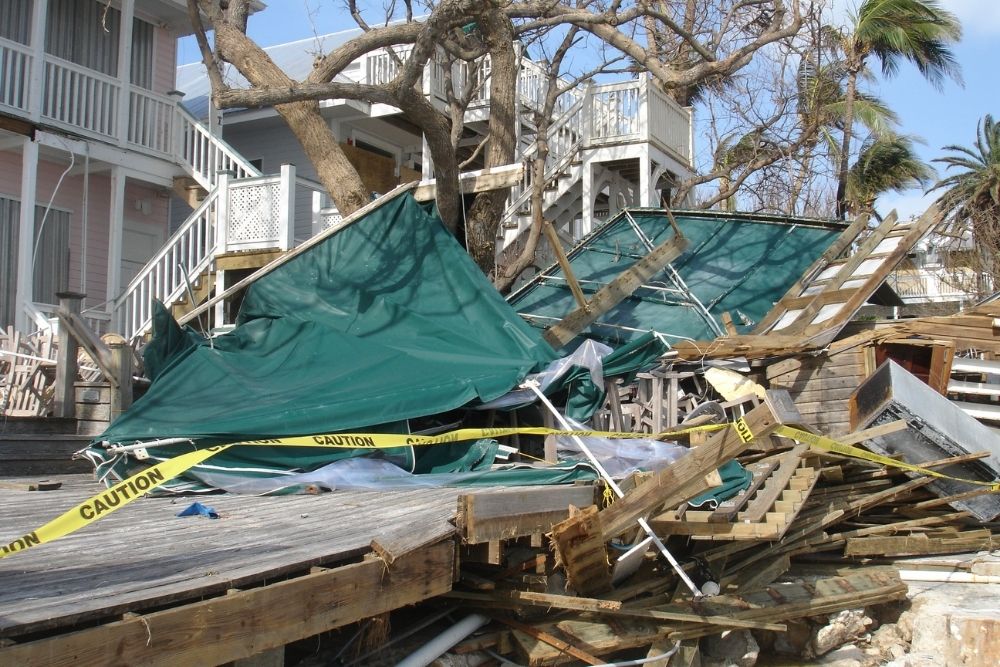
Storm damage can happen in many ways depending on the severity of the weather event. High winds are among the most common causes, often damaging roofing systems, siding, fences, and outdoor structures. Wind-driven rain can force water into small openings around windows, doors, and roof seams.
Hailstorms also create significant property damage. Large hailstones can crack shingles, dent metal roofing, damage gutters, and break windows. While some hail damage is visible immediately, other problems may develop gradually as weakened roofing materials begin to leak over time.
Lightning strikes are another major cause of storm-related property damage. Electrical systems, appliances, and HVAC units can suffer serious damage during electrical surges. Heavy rainfall may also overwhelm drainage systems, allowing water to collect around foundations and enter buildings.
Early inspections following a severe storm are critical. Property owners may not notice hidden water intrusion until mold growth or ceiling stains appear weeks later. Prompt inspections and repairs can help prevent minor issues from becoming expensive restoration projects.
Common Causes of Flood Damage
Flood damage usually develops from excessive water accumulation that overwhelms natural or man-made drainage systems. Flash flooding is one of the leading causes, especially during intense rainfall where water rises faster than drainage systems can handle.
Poor drainage around a property can also contribute to flooding. Water may collect near foundations, seep into basements, or enter ground-level rooms. In urban areas, clogged storm drains and aging infrastructure can worsen flood conditions during severe storms.
Burst pipes and sewer backups may also create flood-like conditions inside buildings. While these events originate within the property, they can still cause widespread water contamination and structural damage similar to natural flooding.
Floodwaters often remain standing for long periods, which increases the risk of structural weakening and microbial growth. Flooring materials absorb moisture quickly, and wooden framing can begin warping within days. Immediate extraction and drying are essential to minimize permanent damage and reduce health risks associated with contaminated water exposure.
Key Differences Between Storm Damage and Flood Damage
Although storm damage and flood damage both involve water intrusion, they differ significantly in how the damage occurs and how restoration is handled. Storm damage usually begins from above through roof leaks, broken windows, or wind-driven rain entering the structure. Flood damage typically starts from ground level as rising water enters the property.
Another major difference involves contamination levels. Stormwater entering through a roof leak is generally cleaner than floodwater, which may contain sewage, chemicals, and debris. This affects the cleanup process because contaminated floodwater requires advanced sanitation procedures.
Insurance coverage also differs between the two. Many standard homeowner insurance policies cover storm-related roof leaks or wind damage but exclude flood damage unless separate flood insurance is purchased. Understanding these differences is important before filing claims after a disaster.
Restoration timelines may also vary. Storm-related repairs often focus on roofing, water removal, and drying, while flood restoration frequently involves larger-scale demolition, sanitization, and rebuilding due to contamination and prolonged water exposure.
The Importance of Immediate Restoration
Quick action is critical after any type of water-related disaster. Moisture begins damaging building materials almost immediately, and mold can start developing within 24 to 48 hours. Delaying cleanup allows water to spread deeper into walls, flooring, and structural systems.
Professional restoration teams use advanced equipment to detect hidden moisture and dry affected areas thoroughly. Industrial dehumidifiers, air movers, and moisture meters help prevent long-term damage and improve recovery speed.
Immediate restoration also reduces repair costs. Minor water intrusion can become a major reconstruction project if moisture remains untreated. Early intervention may save flooring, drywall, furniture, and structural materials that would otherwise need replacement.
Preventing Future Storm and Flood Damage
Preventive maintenance can significantly reduce the risk of future property damage. Regular roof inspections help identify missing shingles, cracked flashing, and weak areas before storms arrive. Cleaning gutters and downspouts also helps direct water away from the building.
Proper drainage around the property is equally important. Grading soil away from foundations, installing sump pumps, and maintaining drainage systems can help minimize flood risks during heavy rainfall. Sealing foundation cracks may also reduce water intrusion.
Homeowners should also inspect windows, doors, and exterior seals regularly. Small openings can allow large amounts of water inside during severe storms. Reinforcing vulnerable areas before storm season can reduce the likelihood of costly repairs later.
Emergency preparedness is another important step. Keeping important documents protected, knowing how to shut off utilities, and having a disaster response plan can make recovery faster and less stressful after severe weather events.
Choosing a Professional Restoration Company
Hiring a professional restoration company ensures that damage is handled safely and correctly. Experienced restoration teams understand how to assess water intrusion, identify hidden moisture, and restore properties efficiently.
Certified technicians use specialized equipment designed for water extraction, drying, sanitization, and structural repairs. They also help property owners document damage for insurance claims and communicate directly with insurance providers when necessary.
Local experience matters as well. Restoration professionals familiar with weather conditions in Las Vegas, NV understand the unique challenges caused by severe storms and flash flooding in the area. Fast response times are essential for minimizing damage and protecting the property.
Conclusion
Understanding the difference between storm damage and flood damage is essential for protecting your property and responding quickly after severe weather events. Storm damage often results from wind, roof leaks, hail, and heavy rain, while flood damage occurs from rising water and widespread water intrusion. Both situations require immediate attention to prevent mold growth, structural issues, and costly repairs.
Professional restoration services play a major role in helping homeowners and businesses recover safely and efficiently. If you need reliable assistance with water-related property damage, contact JGW Group Water Damage Restoration in Las Vegas, NV. Their experienced team provides fast and dependable restoration services to help restore your property after severe storms or flooding. For immediate assistance, call 725-525-3122 today.