

Storm season can bring heavy rain, flooding, and strong winds that may seriously damage homes and businesses. One of the biggest concerns during severe weather is the need for flood damage cleanup after water enters a property. Preparing before storms arrive can reduce damage, lower repair costs, and help families stay safe during emergencies.
A storm season preparation checklist helps homeowners identify potential risks before bad weather begins. From checking the roof to protecting important belongings, every preventive step can make a major difference. Proper preparation also reduces stress after storms and helps properties recover faster. By planning ahead, homeowners can better protect their investment while minimizing the chance of severe water damage during storm season.
Inspect and Repair Your Roof
Your roof is one of the most important parts of your home during storm season. Heavy rain and strong winds can quickly worsen small roofing problems and lead to leaks inside the property. Before storm season begins, inspect the roof carefully for missing shingles, cracked flashing, or signs of water damage.
Even minor roof issues can allow water to seep into ceilings, walls, and insulation. Moisture trapped inside the home can eventually lead to mold growth and structural damage. Repairing roofing problems early is far less expensive than dealing with major water restoration later.
Tree branches hanging near the roof should also be trimmed because strong winds can break branches and damage roofing materials. Keeping your roof in good condition is one of the best ways to avoid costly repairs and reduce the need for emergency flood damage cleanup after severe weather.
Clean Gutters and Improve Drainage
Gutters and downspouts help move rainwater safely away from the home. When they become clogged with leaves and debris, water may overflow and collect around the foundation. This increases the risk of basement flooding and structural damage during storms.
Homeowners should clean gutters thoroughly before storm season starts. Downspouts should direct water several feet away from the property to prevent pooling near the foundation. Installing gutter guards can also improve water flow and reduce future maintenance.
Good drainage around the property is equally important. Yards should slope away from the house so rainwater does not collect near the structure. Proper drainage helps reduce water intrusion and protects the home during heavy rainfall events.
Check Windows and Doors for Water Leaks
Windows and doors are common entry points for water during severe storms. Small gaps around frames can allow rainwater to enter the home when winds become strong. Inspect all exterior doors and windows for damaged seals, cracks, or worn weather stripping.
Replacing old caulking and weather seals helps create a stronger barrier against moisture. Homeowners in areas prone to severe storms may also benefit from installing storm shutters for additional protection.
Basement windows and sliding glass doors should receive extra attention because these areas are especially vulnerable to water intrusion. Preventing leaks early can help homeowners avoid interior damage and expensive repairs after storms pass through the area.
Protect the Foundation and Basement
The foundation supports the entire structure of a home, making it critical to storm preparation. Cracks in foundation walls can allow water to seep into basements and crawl spaces during heavy rain. Over time, moisture can weaken structural materials and create conditions for mold growth.
Inspect the foundation regularly for visible cracks or signs of moisture. Minor cracks should be sealed before storm season begins. Homeowners should also remove standing water near the property to reduce pressure against foundation walls.
Installing a sump pump is another important preventive measure for homes with basements. Testing the sump pump before storms arrive ensures it works properly during emergencies. Protecting the foundation helps reduce flood risks and lowers the chance of major water damage inside the home.
Prepare an Emergency Supply Kit
Every household should have an emergency supply kit ready before storm season begins. Severe weather can cause power outages, road closures, and limited access to basic necessities for several days. A properly stocked kit helps families stay safe and comfortable during emergencies.
Important items include bottled water, nonperishable food, medications, flashlights, batteries, first aid supplies, blankets, and phone chargers. Families should also store important documents in waterproof containers to protect them from water damage.
Pet owners should include food, medications, and supplies for animals as well. Emergency kits should be checked regularly to replace expired items and ensure everything is ready when needed. Preparation helps reduce panic and allows families to respond quickly during severe weather situations.
Secure Outdoor Furniture and Loose Items
Outdoor furniture and loose objects can become dangerous during storms with high winds. Patio chairs, grills, gardening tools, and decorations may be blown around and damage windows, roofs, or vehicles.
Before storms arrive, lightweight outdoor items should be moved indoors whenever possible. Larger objects should be secured using straps or anchors to prevent movement during strong winds.
Homeowners should also inspect fences, sheds, and playground equipment for loose parts that may break during storms. Securing outdoor belongings reduces the risk of property damage and helps keep family members and neighbors safe during severe weather conditions.
Review Insurance Coverage Before Storm Season
Many homeowners assume their insurance policy automatically covers all storm-related damage, but this is not always true. Standard homeowner policies may not include coverage for flooding, which can lead to unexpected expenses after severe weather events.
Review insurance policies carefully before storm season starts. Homeowners should contact their insurance provider to understand what types of storm and flood damage are covered. Purchasing additional flood insurance may be necessary in high-risk areas.
It is also helpful to document valuable belongings and home conditions with photos or videos. Proper documentation can simplify insurance claims after storms. Understanding insurance coverage ahead of time helps homeowners avoid financial surprises during recovery efforts.
Create a Family Emergency Plan
A family emergency plan helps everyone know what to do during severe weather situations. Storms can create stressful and dangerous conditions, especially when families are unprepared. Planning ahead improves safety and reduces confusion during emergencies.
Every household should identify safe shelter areas inside the home and establish evacuation routes if needed. Family members should know emergency contact numbers and meeting locations in case communication becomes difficult during storms.
Practicing emergency drills can help children and adults feel more confident during actual emergencies. Families who prepare together are often able to respond faster and make safer decisions when severe weather strikes unexpectedly.
Protect Electrical Systems and Appliances
Flooding and electrical systems create serious safety hazards during storms. Water exposure can damage appliances, electrical wiring, and important household equipment. Homeowners should take preventive measures to protect electrical systems before storm season begins.
Installing surge protectors can help reduce damage caused by lightning and sudden power surges. Valuable electronics and appliances should be elevated in areas vulnerable to flooding, such as basements and garages.
Backup generators can provide temporary power during outages, but they must always be used safely outdoors to avoid carbon monoxide risks. Protecting electrical systems not only prevents costly damage but also helps reduce safety concerns after storms impact the property.
Know When to Call Restoration Professionals
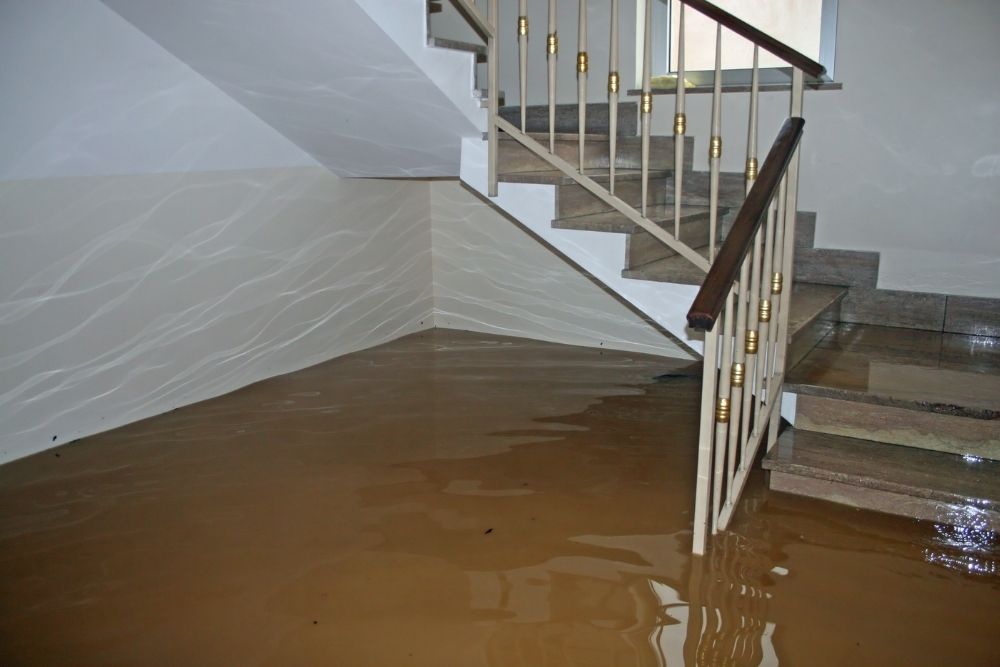
Even with proper preparation, severe storms can still cause major water damage. Fast action is critical after flooding because standing water can quickly damage floors, walls, furniture, and insulation. Professional restoration services help remove water, dry affected areas, and prevent mold growth.
Attempting to handle major flooding alone can lead to hidden moisture problems and incomplete cleanup. Restoration professionals use specialized equipment to detect trapped moisture and fully dry damaged areas.
Quick professional response also helps reduce long-term repair costs and prevents additional structural damage. Homeowners who act quickly after flooding often recover faster and experience fewer complications during the restoration process.
Conclusion
Preparing for storm season helps protect homes, families, and finances from severe weather damage. Simple steps like roof inspections, drainage maintenance, emergency planning, and proper insurance coverage can significantly reduce storm-related risks. Preventive preparation also lowers the chance of serious water intrusion and expensive flood damage cleanup after heavy storms.
If your property experiences flooding or storm damage, professional restoration services can help restore your home quickly and safely. JGW Group Water Damage Restoration proudly serves homeowners and businesses throughout Las Vegas. For emergency water damage assistance and restoration services, contact JGW Group Water Damage Restoration at 725-525-3122.